Industry News

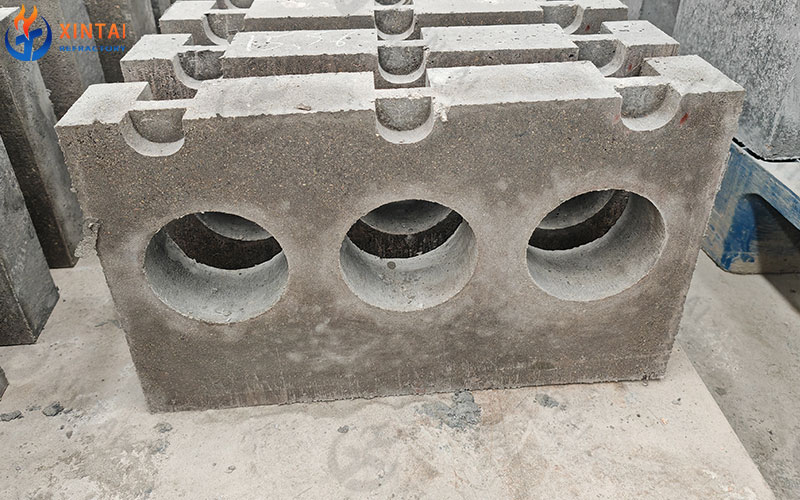
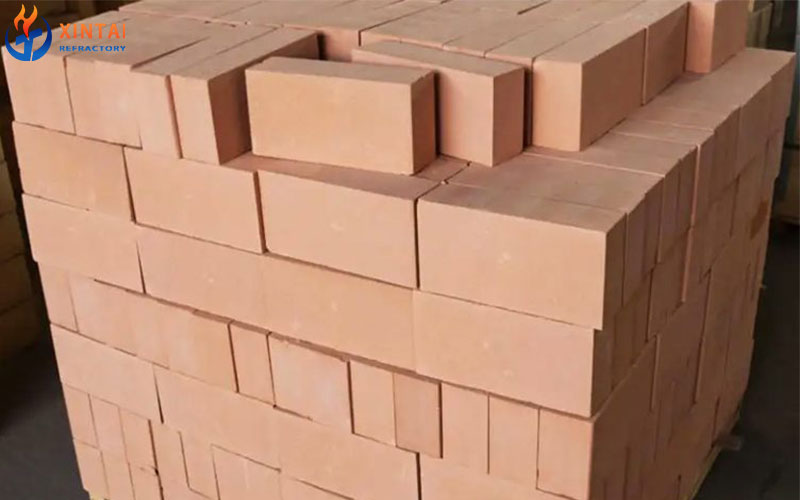
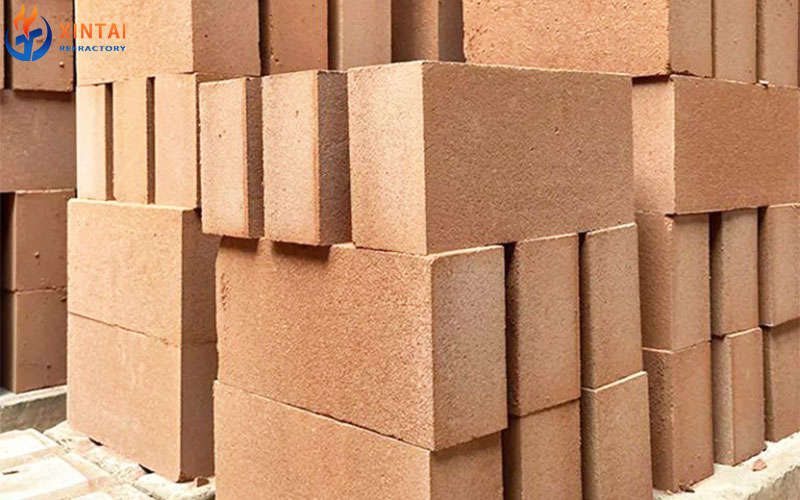
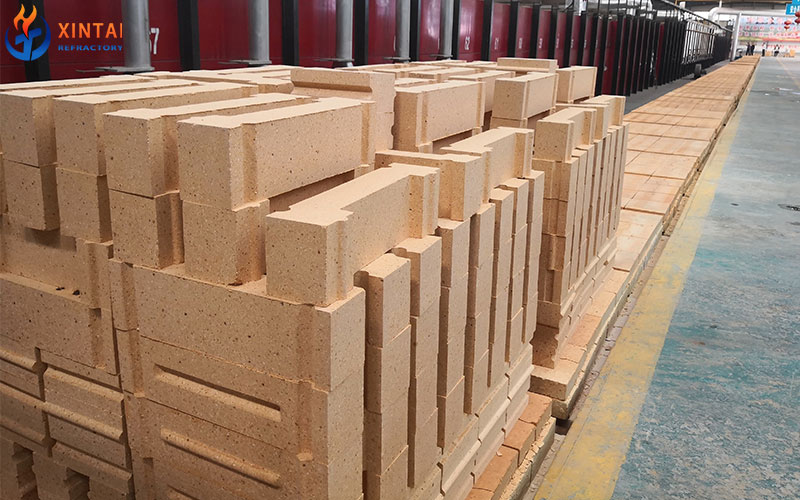
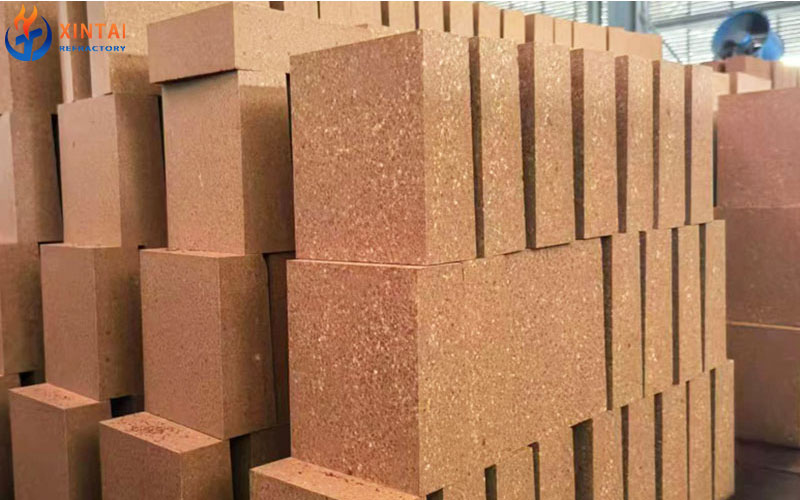
Hot Blast Stoves Fire Clay Bricks - Packing Details

How to Choose the Right Refractory Bricks for Different Parts of a Hot Blast Stove

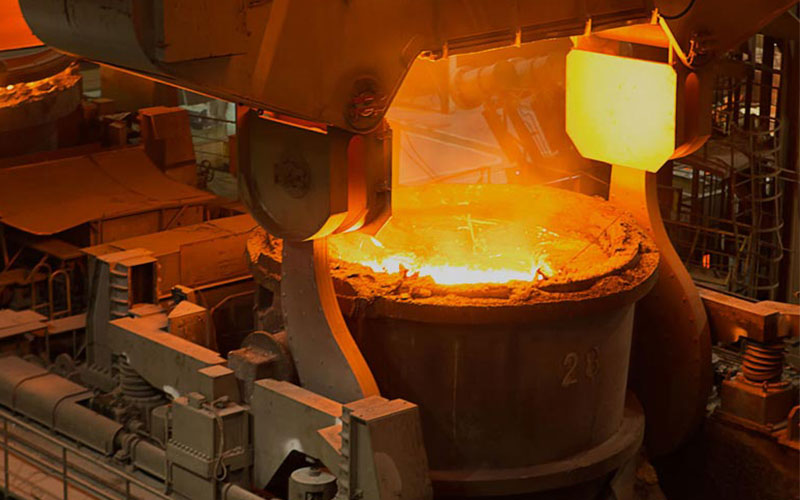
Hot blast stoves are one of the most important thermal facilities in the ironmaking process. Working together with the blast furnace, they preheat combustion air to temperatures typically ranging from 1000°C to 1300°C, significantly improving fuel efficiency and reducing coke consumption. Because these stoves operate under continuous high-temperature cycling, the refractory lining plays a decisive

How to Choose the Right Refractory Bricks for Different Parts of a Hot Blast Stove Read More »
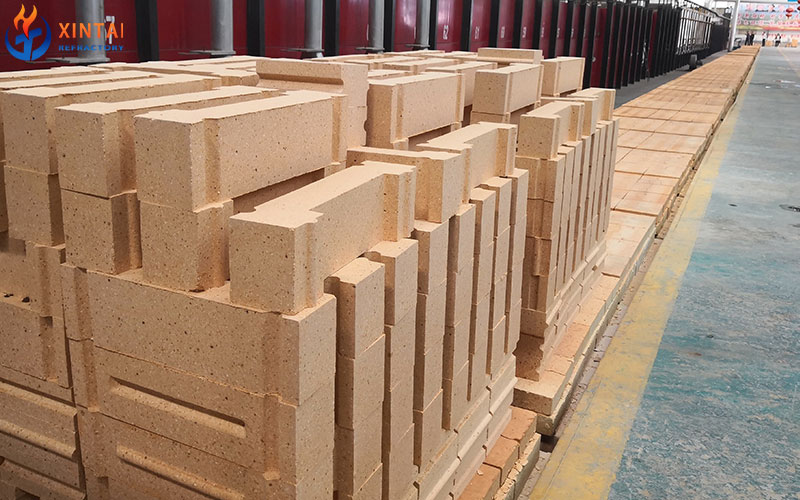
Refractory Materials for Gasification Furnaces

Selection of Furnace Refractory Materials

Industrial furnaces are widely used in industries such as steel, metallurgy, cement, glass, ceramics, non-ferrous metals, and chemical processing. During operation, furnaces are exposed to extremely high temperatures, thermal fluctuations, chemical corrosion, mechanical impact, and abrasion. Therefore, selecting suitable Furnace Refractory Materials is one of the most important factors affecting furnace performance, energy efficiency, and

Selection of Furnace Refractory Materials Read More »

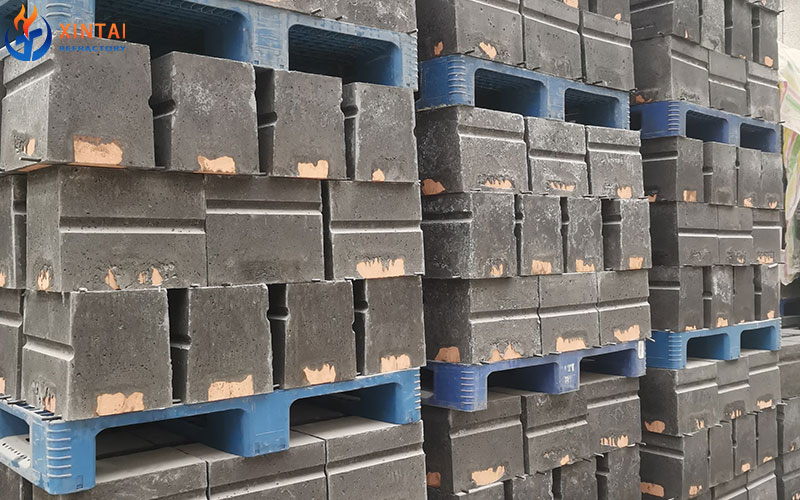
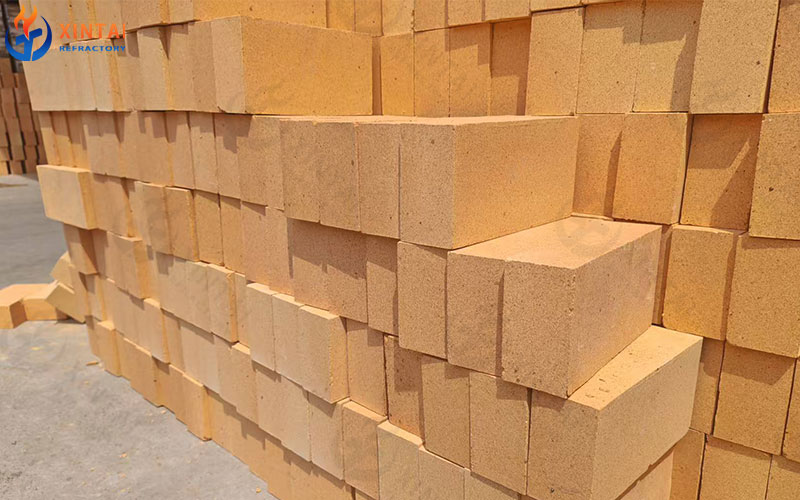
Hot Blast Stoves Fire Clay Bricks - Packing Details

Fire Clay Bricks Price

When purchasing refractory materials for industrial furnaces, kilns, fireplaces, and high-temperature equipment, one of the most common concerns is the fire clay bricks price. Fire clay bricks are widely used because of their good thermal stability, resistance to high temperatures, and cost-effectiveness compared with many advanced refractory products. However, the price of fire clay bricks

Fire Clay Bricks Price Read More »

Kiln Refractory Precast Shapes Production

Raw Materials and Characteristics of Castable Refractory Precast Shapes

Castable refractory precast shapes are specially designed refractory components that are manufactured in advance and installed in specific areas of high-temperature industrial furnaces. Unlike traditional refractory materials that require complicated on-site construction, castable refractory precast shapes are produced in controlled factory environments through mold casting, curing, drying, and other processes. This advanced manufacturing method allows

Raw Materials and Characteristics of Castable Refractory Precast Shapes Read More »

Packing of Kiln Refractory Precast Shapes

Types of Refractory Precast Shapes

Refractory Precast Shapes are specially designed refractory components that are manufactured in advance by casting refractory materials into specific molds before being installed in high-temperature industrial equipment. Unlike traditional refractory linings that are formed directly at the construction site, precast shapes are produced under controlled factory conditions, allowing manufacturers to achieve better dimensional accuracy, consistent

Types of Refractory Precast Shapes Read More »

Wear-Resistant Refractory Castables

How to Choose Refractory Castable for High Temperature Applications

Refractory castable is one of the most widely used monolithic refractory materials in industrial furnaces, kilns, and high-temperature equipment. Compared with traditional refractory bricks, castables offer advantages such as flexible installation, seamless construction, easier repair, and adaptability to complex structures. They are commonly used in steel plants, cement plants, foundries, aluminum industries, heat treatment furnaces,

How to Choose Refractory Castable for High Temperature Applications Read More »

refractory precast shapes - Xintai Refractory

Benefits of Precast Refractory Shapes

Refractory materials play an essential role in high-temperature industrial applications, where equipment must withstand extreme heat, thermal shock, chemical corrosion, and mechanical stress. Industries such as steel manufacturing, aluminum processing, heat treating, forging, mineral processing, and other thermal processing sectors rely on advanced refractory solutions to maintain furnace efficiency and extend equipment service life. Among

Benefits of Precast Refractory Shapes Read More »

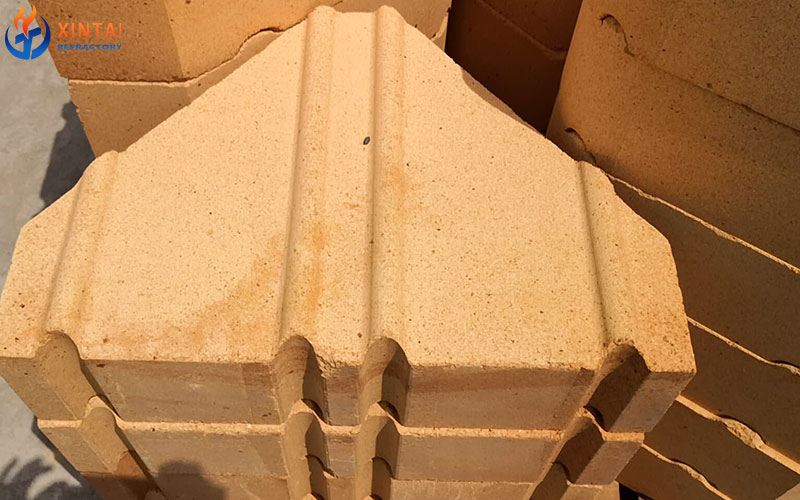
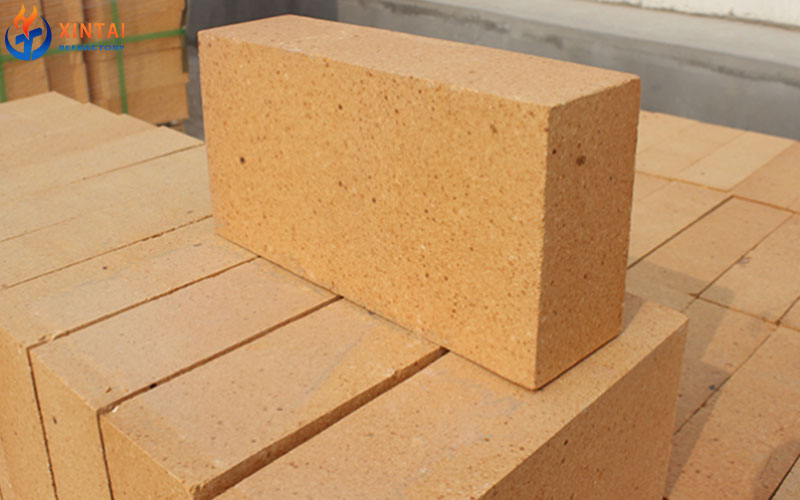
Low Porosity Fire Clay Bricks

Selection of Refractory Materials for Cement Kilns

Cement production is a high-temperature industrial process that requires reliable protection for kiln systems, preheaters, coolers, and other thermal equipment. Cement kiln refractory materials play a critical role in maintaining stable operation, reducing heat loss, extending equipment service life, and improving production efficiency. A cement kiln is a large and complex thermal system with a

Selection of Refractory Materials for Cement Kilns Read More »

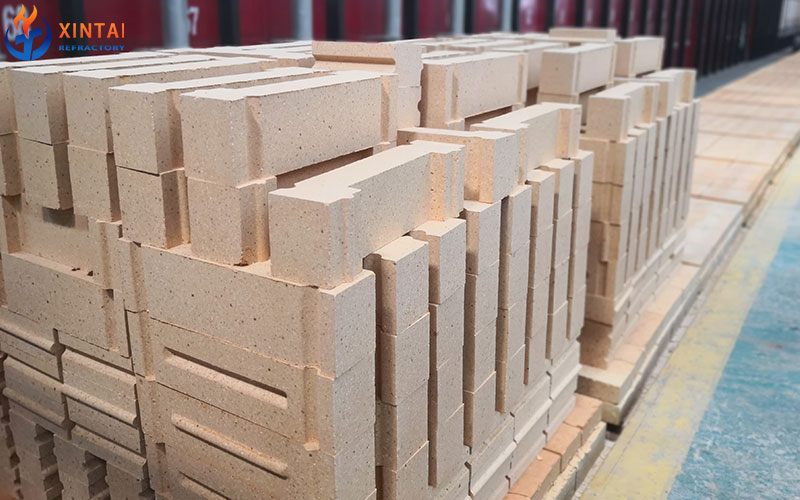
Production of Clay Refractory Bricks from Xintai

Characteristics and Selection of Different Types of Refractory Insulation Bricks

Refractory insulation bricks are essential thermal insulation materials widely used in high-temperature industrial furnaces, kilns, and thermal equipment. They are designed to reduce heat loss, improve energy efficiency, maintain stable operating temperatures, and extend the service life of furnace linings. Industries such as steel, cement, glass, ceramics, petrochemicals, and non-ferrous metals rely on refractory insulation

Characteristics and Selection of Different Types of Refractory Insulation Bricks Read More »

refractory fireclay brick Message: Dear Purchasing Manager The next time you are considering arranging an abrasives product, I would welcome the opportunity to learn about your requirements and situation. Our customers include (Abrasive Raw Materials, Abrasive Grinding Tools), who find that our Abrasive Grinding Tools products are of high quality, while saving them 20% of the time and cost of working with us. I will send you more details about this product in another email. When you receive it, can you please email me your requirements for this product? Thank you in advance

Types of Refractory Fireclay Bricks

Refractory fireclay brick is one of the most widely used refractory materials in industrial furnaces and high-temperature equipment. It is mainly produced from fireclay as the primary raw material, with alumina (Al₂O₃) content generally ranging from 30% to 48%. Due to its good thermal shock resistance, stable performance, and relatively low cost, refractory fireclay brick

Types of Refractory Fireclay Bricks Read More »

Refractory Bricks Used in Coke Plants

Refractory Bricks Used in Coke Plants: A Complete Guide to Materials and Applications

Coke plants are an essential part of the metallurgical industry, mainly responsible for producing coke through the high-temperature carbonization of coal. The core equipment in a coke plant is the coke oven, which operates under extremely demanding conditions, including high temperatures, thermal cycling, mechanical stress, and chemical corrosion. To ensure long-term operation and stable production,

Refractory Bricks Used in Coke Plants: A Complete Guide to Materials and Applications Read More »

Applications of High Alumina Bricks

Main Types of Refractory Bricks for Coke Ovens

A coke oven operates under extremely harsh thermochemical conditions, where coal undergoes high-temperature dry distillation to produce coke. Inside the oven, temperatures can exceed 1000°C, combined with cyclic heating, reducing atmospheres, mechanical stress, and chemical attack from gases and slag. To ensure long service life and stable operation, coke oven refractory bricks are carefully selected

Main Types of Refractory Bricks for Coke Ovens Read More »

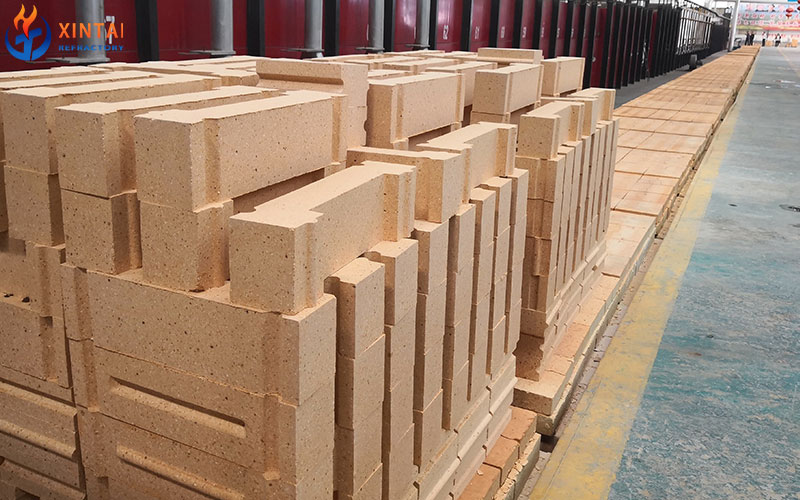
Production of Clay Refractory Bricks from Xintai

Selection of Fire Clay Bricks for Cement Kilns

Cement kilns operate under some of the most aggressive thermal and chemical environments in heavy industry. Inside a rotary cement kiln, temperatures can exceed 1400°C, while the refractory lining is simultaneously exposed to abrasive raw meal, alkali vapors, clinker melt, and severe thermal cycling. Under these conditions, fire clay bricks (refractory clay bricks) remain one

Selection of Fire Clay Bricks for Cement Kilns Read More »

Production of Clay Refractory Bricks in Xintai

Dense fireclay bricks vs standard fireclay bricks

Fireclay bricks are among the most widely used refractory materials in industrial furnace linings due to their stable thermal performance, cost efficiency, and broad application range. However, not all fireclay bricks are the same. In industrial engineering practice, a clear distinction is made between standard (ordinary) fireclay bricks and dense fireclay bricks. Although both belong

Dense fireclay bricks vs standard fireclay bricks Read More »

Which is the Best Refractory Material for Steel Plants?

The steel industry operates under extreme thermal, chemical, and mechanical conditions. Furnaces, ladles, blast furnaces, and reheating systems routinely endure temperatures ranging from 260°C to over 1760°C, along with aggressive slag corrosion, thermal shock, and continuous mechanical abrasion. In this environment, refractory material for steel plants is not just a structural component—it is a core

Which is the Best Refractory Material for Steel Plants? Read More »

electric arc furnace bottom ramming mix

Electric Arc Furnace Bottom Ramming Mix: Types, Properties, and Industrial Applications

Electric arc furnace bottom ramming mix is a type of dry monolithic refractory material specifically designed for the working lining of EAF hearths and slopes. It is widely used in steelmaking furnaces where the lining is exposed to extreme conditions such as molten steel impact, scrap charging shock, and aggressive basic slag corrosion. Unlike conventional

Electric Arc Furnace Bottom Ramming Mix: Types, Properties, and Industrial Applications Read More »

Types of Low Creep Clay Bricks

Types of Low Creep Clay Bricks: Classification, Properties, and Industrial Applications

Low creep clay bricks are a critical category of refractory materials designed for high-temperature industrial environments where structural stability, load resistance, and dimensional integrity are essential. Unlike conventional fireclay bricks, these engineered refractories are formulated to minimize permanent deformation (creep) under sustained thermal and mechanical stress. This article provides a comprehensive breakdown of the types

Types of Low Creep Clay Bricks: Classification, Properties, and Industrial Applications Read More »

Types of Low Creep Clay Bricks

The Impact of Low Creep Rate on Refractory Bricks

Refractory bricks are essential materials used in high-temperature industrial equipment such as blast furnaces, hot blast stoves, glass furnaces, cement kilns, coke ovens, and various thermal processing systems. These materials are expected to withstand extreme temperatures, mechanical loads, chemical attack, and continuous operation over long periods. Among the many properties that determine the performance of

The Impact of Low Creep Rate on Refractory Bricks Read More »

High Alumina Castable

High Alumina Castable Applications and Usage Scope

High alumina castable is one of the most widely used monolithic refractory materials in modern high-temperature industries. Thanks to its excellent thermal stability, strong mechanical strength, and outstanding resistance to slag and chemical corrosion, it has become a fundamental material in furnace linings and industrial thermal systems. This article provides a comprehensive overview of the

High Alumina Castable Applications and Usage Scope Read More »

Ultra-low Cement Castable Refractory

Types and Applications of Ultra-Low Cement Castables

In modern high-temperature industries, refractory materials are required to withstand increasingly severe operating conditions, including high temperatures, thermal shocks, slag corrosion, and mechanical wear. Among various monolithic refractories, ultra-low cement castables have become one of the most important high-performance materials due to their excellent strength, dense structure, and outstanding resistance to thermal and chemical attack.

Types and Applications of Ultra-Low Cement Castables Read More »

Ultra-low Cement Castable Refractory

Main Types of Heating Furnace Refractory Castables

Heating furnace refractory castables are widely used as monolithic refractory linings in metallurgy, forging, heat treatment, and various high-temperature industrial furnaces. Unlike traditional refractory bricks, castables are supplied in a dry mix form and can be installed on-site by adding water and casting into shape. After curing and proper heat treatment, they form a dense,

Main Types of Heating Furnace Refractory Castables Read More »

Wear-Resistant Refractory Castables

Selection of Wear-Resistant Refractory Castables

Wear-resistant refractory castables are widely used in high-temperature industrial furnaces and kilns due to their excellent ability to withstand abrasion, thermal stress, and chemical attack. In harsh working environments where solid particles, hot gases, and corrosive media are constantly present, choosing the right refractory lining material is critical for service life, safety, and operational efficiency.

Selection of Wear-Resistant Refractory Castables Read More »

Application of Refractory Castable in Metallurgical Industry

Major Types and Applications of Refractory Castables

Refractory castables play a critical role in high-temperature industrial applications. They not only provide a reliable refractory lining for furnaces but also extend equipment life and improve production efficiency. With the rapid development of industries such as steel, glass, cement, non-ferrous metals, and ceramics, refractory castables have been optimized to meet different operational demands. This

Major Types and Applications of Refractory Castables Read More »

Applications of High Alumina Bricks Across Industries

Applications of High Alumina Bricks Across Different Industries

High alumina bricks are one of the most widely used refractory materials in modern industrial production. With excellent thermal stability, high mechanical strength, and strong resistance to chemical corrosion, they play a critical role in high-temperature environments where ordinary materials would fail. These bricks typically contain a high percentage of aluminum oxide (Al₂O₃), which determines

Applications of High Alumina Bricks Across Different Industries Read More »

High Alumina Bricks for Kiln Furnace

Introduction to High Alumina Brick

High alumina bricks, known for their exceptional heat resistance and durability, are widely used in high-temperature industrial applications. They play a crucial role in ensuring efficiency, safety, and longevity of various furnaces and kilns. Now Xintai Refractory Brick will provides a comprehensive overview of high alumina bricks, covering their composition, properties, types, applications, advantages, and

Introduction to High Alumina Brick Read More »

Types of Refractory Materials for BOF Converters

Types of Refractory Materials for BOF Converters

The Basic Oxygen Furnace (BOF) converter plays a crucial role in modern steelmaking. Its operation demands materials that can withstand extreme temperatures, chemical corrosion, and mechanical stress. Selecting the right refractory lining not only extends the life of the furnace but also improves efficiency and steel quality. BOF converter refractory materials are categorized based on

Types of Refractory Materials for BOF Converters Read More »

Applications of High Alumina Bricks

Differences Between Different Grades of High Alumina Bricks

High alumina refractory bricks are widely used in industrial furnaces, rotary kilns, and various thermal equipment. However, in practice, “high alumina brick” is not a single product; it encompasses multiple grades with distinct chemical compositions, physical properties, service lives, and costs. Common grades include 50%, 60%, 70%, and 80% Al₂O₃, and understanding the differences between

Differences Between Different Grades of High Alumina Bricks Read More »

Ultra-low Cement Castable Refractory

Selection of Refractory Castables for the Cement Industry

The cement industry operates under extremely demanding thermal conditions. From preheaters and calciner systems to rotary kilns and clinker coolers, every section of a cement plant is exposed to high temperatures, thermal shock, mechanical abrasion, alkali attack, and chemical corrosion. Under these conditions, refractory castables play a vital role in ensuring production stability, energy efficiency,

Selection of Refractory Castables for the Cement Industry Read More »

Electric Arc Furnace Refractory

Types of Electric Arc Furnace Refractory

Electric arc furnaces (EAF) are widely used in metallurgy, chemical processing, and building material production. Their operation involves extremely high temperatures, intense thermal cycling, and aggressive chemical reactions between molten metal and slag. Because of these harsh conditions, selecting the right refractory materials is essential to ensure furnace efficiency, stability, and long service life. Electric

Types of Electric Arc Furnace Refractory Read More »

Ultra-low Cement Castable Refractory

Application of Refractory Castable in Metallurgical Industry

The metallurgical industry operates under extremely harsh working conditions involving high temperatures, molten metal corrosion, thermal shock, abrasion, and chemical attack. Refractory materials are essential for maintaining the safety, efficiency, and service life of industrial furnaces and thermal processing equipment. Among various refractory products, refractory castables have become increasingly important because of their excellent construction

Application of Refractory Castable in Metallurgical Industry Read More »

Scroll to Top