
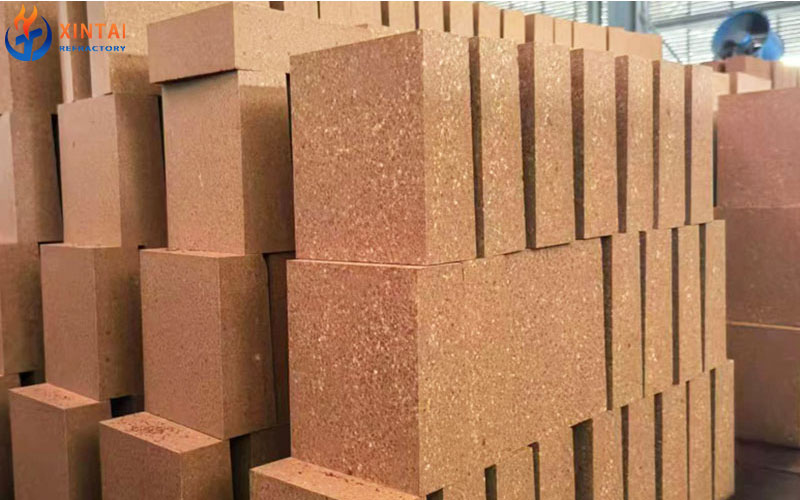
The Basic Oxygen Furnace (BOF) converter plays a crucial role in modern steelmaking. Its operation demands materials that can withstand extreme temperatures, chemical corrosion, and mechanical stress. Selecting the right refractory lining not only extends the life of the furnace but also improves efficiency and steel quality. BOF converter refractory materials are categorized based on their material composition and function in different parts of the furnace. This article explores the main types and their applications.
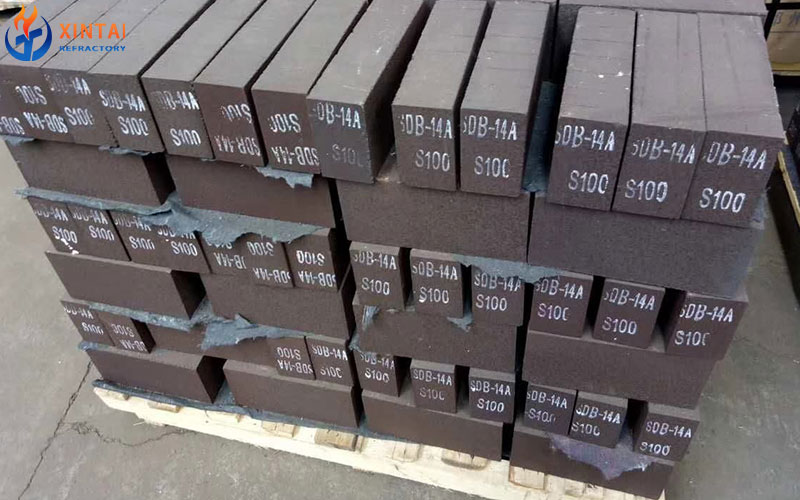
Magnesia-Based Refractory Materials
Magnesia-based refractories are widely used in BOF converters due to their excellent resistance to basic slags and high temperatures. They can handle the aggressive conditions of steelmaking and maintain structural integrity over repeated heat cycles.
- Dead-Burned Magnesia Bricks (DBM):
These bricks are produced by calcining high-purity magnesite at high temperatures. They offer high density, low reactivity, and good resistance to basic slags. Dead-burned magnesia bricks are typically used in the furnace bottom and sidewalls where slag attack is most intense. - Sintered Magnesia Bricks:
These are made by sintering magnesia at lower temperatures than DBM, resulting in slightly higher porosity but good thermal shock resistance. Sintered magnesia bricks are preferred in areas where thermal cycling is frequent. - Magnesia-Carbon Bricks:
Combining magnesia with carbon significantly enhances thermal shock resistance and slag erosion resistance. Carbon acts as a reducing agent, preventing oxidation of the magnesia under high temperatures. These magnesia carbon bricks are commonly installed in the furnace hearth and slag line.
Dolomite-Based Refractories
Dolomite bricks are another popular choice in BOF converters, particularly for sidewalls and slag zones. Dolomite contains both magnesium oxide and calcium oxide, giving it good compatibility with basic slags.
- Sintered Dolomite Bricks:
Produced by sintering dolomite at high temperatures, these bricks exhibit high strength and moderate resistance to thermal shock. They are suitable for areas exposed to moderate slag attack. - Dolomite-Magnesite Bricks:
Combining dolomite with magnesite improves both slag resistance and mechanical strength. These bricks are used in critical zones where both chemical attack and mechanical stress are significant.
Magnesia-Chrome (MgO-Cr2O3) Refractories
Magnesia-chrome refractories are highly resistant to basic slags and mechanical abrasion. They are produced by sintering magnesia with chromite ore or chromic oxide.
- Advantages:
- Excellent slag corrosion resistance
- Good thermal shock performance
- High structural strength
- Applications:
MgO-Cr2O3 bricks are primarily used in the lower sidewalls and furnace bottom, where mechanical abrasion from the molten steel and slag is most intense. Special attention is required during installation to avoid chromium leaching into steel.
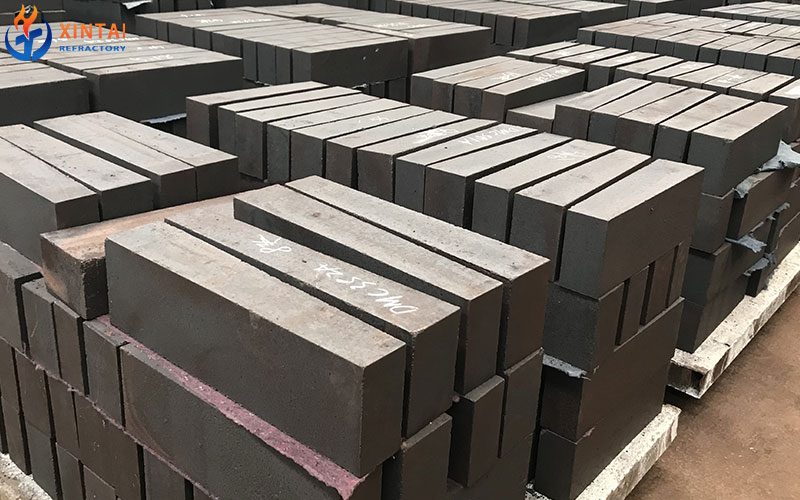
Magnesia-Spinel Refractories
Spinel-containing refractories are gaining popularity for BOF converters because of their improved slag resistance and thermal shock tolerance. Spinel (MgAl2O4) forms during firing or in service, providing a stable crystalline structure.
- Benefits:
- Reduces slag penetration
- Enhances mechanical strength
- Improves service life under fluctuating temperatures
- Applications:
Magnesia-spinel bricks are suitable for high-wear areas such as slag lines and furnace roofs. They are often used in combination with magnesia-carbon bricks for optimal performance.
Carbon-Containing Refractories
Carbon is added to refractory bricks in various forms, such as graphite or pitch-bonded carbon, to improve thermal shock resistance and slag erosion performance.
- Magnesia-Carbon Bricks:
Already mentioned, these bricks combine the advantages of magnesia and carbon. - Doloma-Carbon Bricks:
These are less common but useful in specific zones exposed to aggressive slag, offering similar benefits with different chemical compositions. - Installation Considerations:
Carbon-containing bricks require protection against oxidation during service. Anti-oxidation coatings or protective slag layers are commonly applied to extend their lifespan.
Castable Refractories
Castables are monolithic refractories that can be poured or gunned into place. They offer flexibility in design and rapid installation, making them suitable for BOF converters.
- Basic Castables:
Made primarily from magnesia or dolomite, these castables can withstand high temperatures and resist slag attack. They are commonly used for sidewalls, splash zones, and the bottom of the furnace. - Magnesia-Carbon Castables:
These castables combine the benefits of monolithic installation with the advantages of carbon addition. They provide excellent thermal shock resistance and slag corrosion resistance. - Specialty Castables:
Some castables include spinel or alumina additions to improve mechanical strength and thermal stability. These are often used in zones with intense thermal cycling.
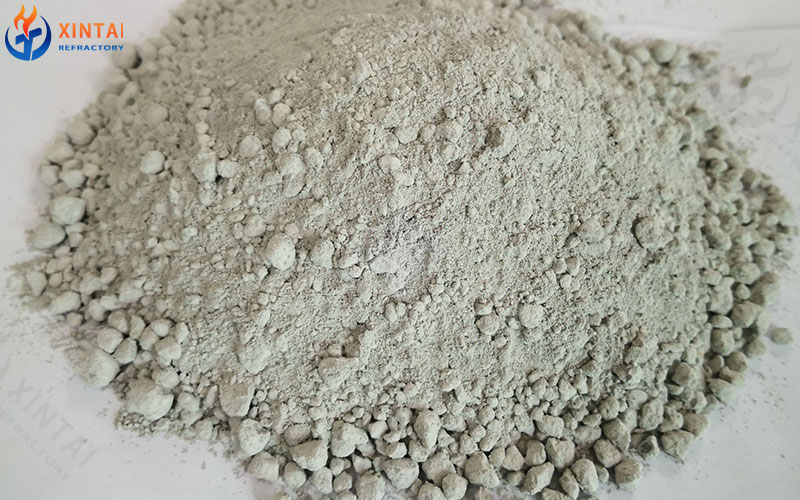
Dry Vibratable Refractories
Dry vibratable refractories are pre-mixed materials that can be vibrated into place without water, reducing drying time and improving installation efficiency. They are used in BOF converters for lining the furnace bottom, sidewalls, and taphole areas.
- Advantages:
- Quick installation
- Reduces shrinkage cracks
- Can conform to complex geometries
- Applications:
Dry vibratable magnesia or magnesia-carbon mixes are ideal for repair works and for shaping specific zones like the taphole lining or converter lip.
Taphole and Nozzle Refractories
The taphole is a critical area where steel is poured out, requiring refractories with high mechanical strength and thermal resistance.
- Taphole Bricks:
Typically made from magnesia-carbon or high-purity magnesia, these bricks resist erosion from molten steel. - Nozzle Refractories:
Alumina- or magnesia-based bricks are used for steel nozzles, combining corrosion resistance and thermal shock performance. Special bonding and preheating methods are employed to ensure durability.
Refractory Coatings
To enhance the performance of BOF converter linings, refractory coatings are applied over brickwork or castables. These coatings form a protective layer that prevents slag penetration and oxidation.
- Slag-Resistant Coatings:
Applied on sidewalls and slag lines, these coatings extend the service life of refractories. - Anti-Oxidation Coatings:
Carbon-containing bricks benefit from coatings that prevent oxidation during converter operation.
Conclusion
The selection of BOF converter refractories is crucial for operational efficiency, safety, and cost-effectiveness in steelmaking. From magnesia-carbon bricks to castables and dry vibratable materials, each type has specific advantages and is designed for particular furnace zones.
Advances in refractory technology continue to improve the lifespan and performance of BOF converters, allowing steelmakers to achieve higher production efficiency, reduced maintenance, and improved steel quality. Careful material selection, proper installation, and maintenance are essential to maximize the benefits of these specialized refractory materials.
By understanding the types, applications, and performance characteristics of BOF converter refractories, steel manufacturers can make informed decisions that enhance both productivity and longevity of their furnaces.