Industry News

Types of Low Creep Clay Bricks

Types of Low Creep Clay Bricks: Classification, Properties, and Industrial Applications

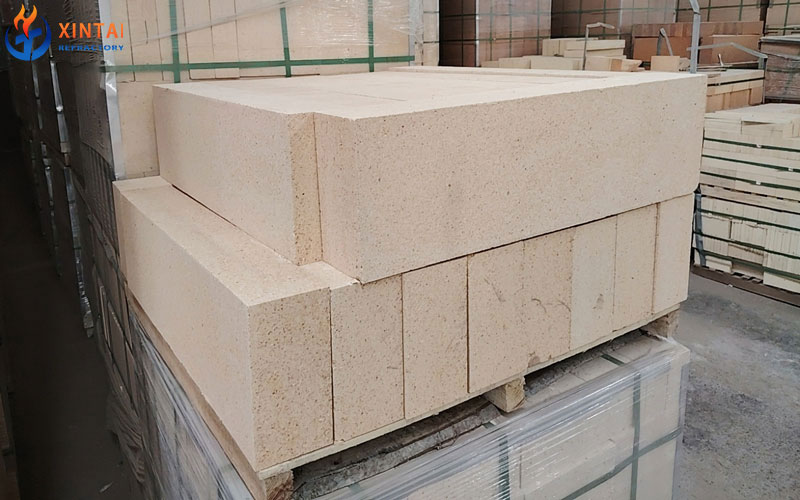
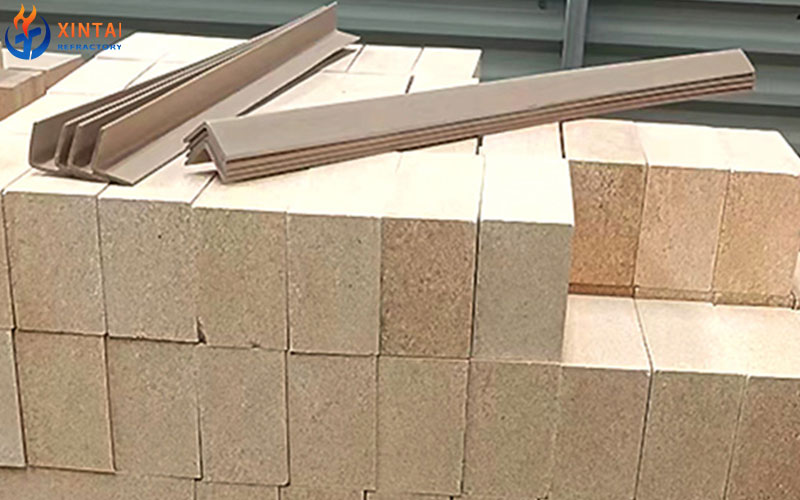
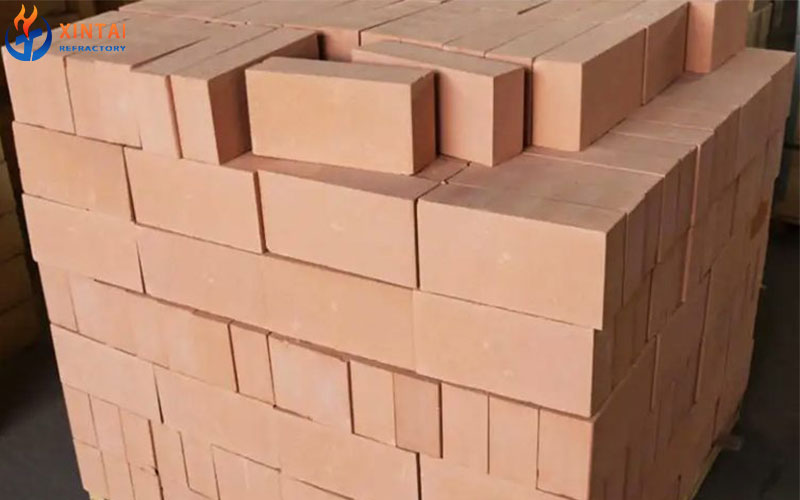
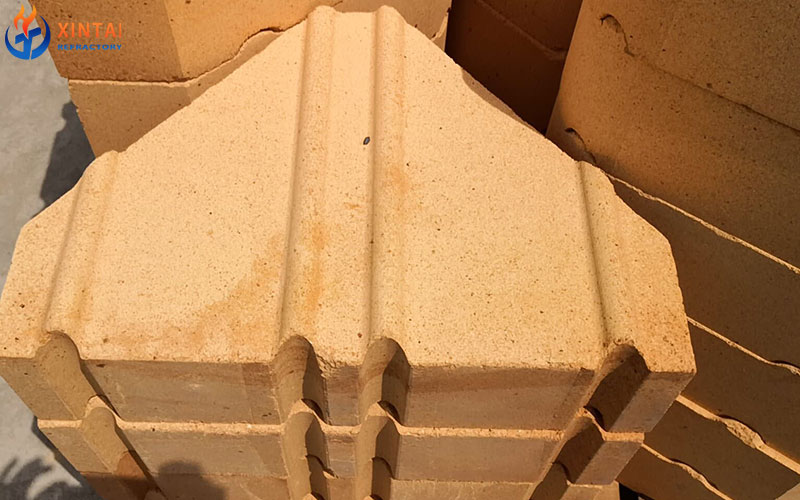
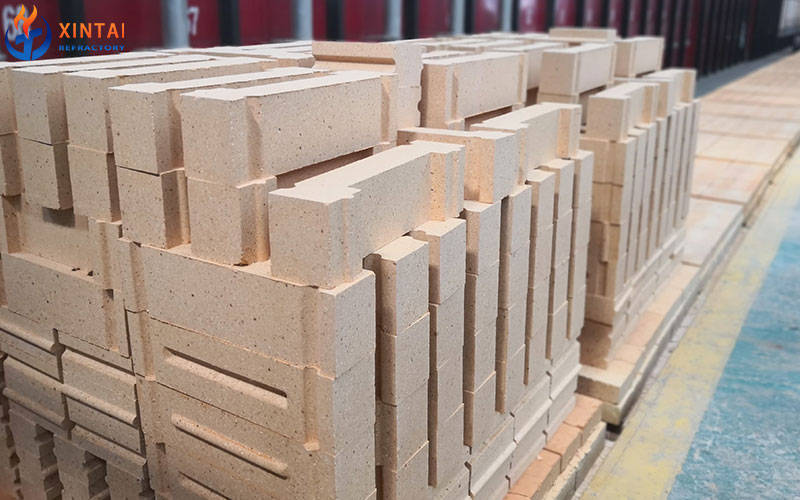
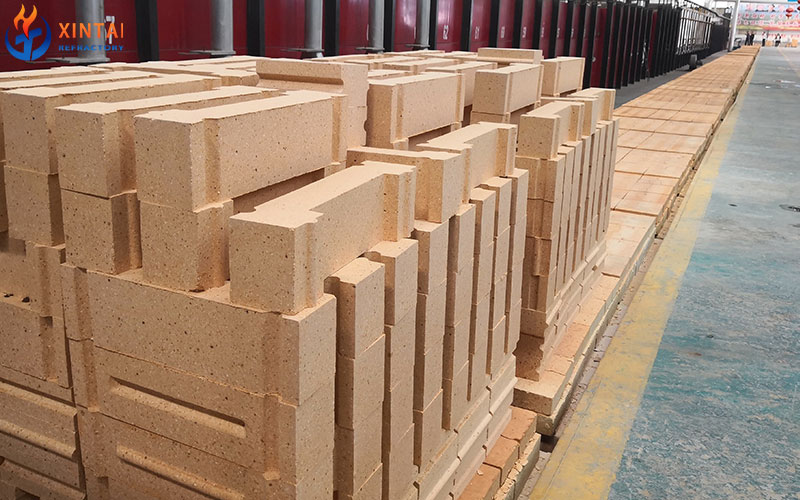
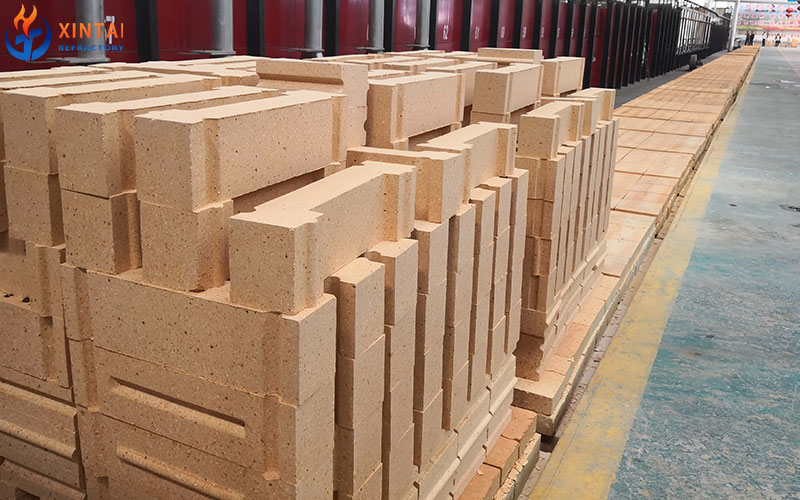
Low creep clay bricks are a critical category of refractory materials designed for high-temperature industrial environments where structural stability, load resistance, and dimensional integrity are essential. Unlike conventional fireclay bricks, these engineered refractories are formulated to minimize permanent deformation (creep) under sustained thermal and mechanical stress. This article provides a comprehensive breakdown of the types […]

Types of Low Creep Clay Bricks: Classification, Properties, and Industrial Applications Read More »

Types of Low Creep Clay Bricks

The Impact of Low Creep Rate on Refractory Bricks

Refractory bricks are essential materials used in high-temperature industrial equipment such as blast furnaces, hot blast stoves, glass furnaces, cement kilns, coke ovens, and various thermal processing systems. These materials are expected to withstand extreme temperatures, mechanical loads, chemical attack, and continuous operation over long periods. Among the many properties that determine the performance of

The Impact of Low Creep Rate on Refractory Bricks Read More »
High Alumina Castable

High Alumina Castable Applications and Usage Scope

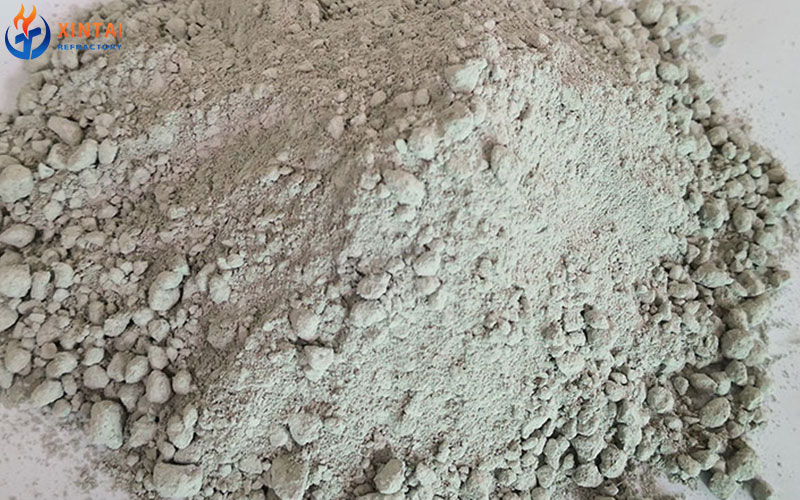
High alumina castable is one of the most widely used monolithic refractory materials in modern high-temperature industries. Thanks to its excellent thermal stability, strong mechanical strength, and outstanding resistance to slag and chemical corrosion, it has become a fundamental material in furnace linings and industrial thermal systems. This article provides a comprehensive overview of the

High Alumina Castable Applications and Usage Scope Read More »

Ultra-low Cement Castable Refractory

Types and Applications of Ultra-Low Cement Castables

In modern high-temperature industries, refractory materials are required to withstand increasingly severe operating conditions, including high temperatures, thermal shocks, slag corrosion, and mechanical wear. Among various monolithic refractories, ultra-low cement castables have become one of the most important high-performance materials due to their excellent strength, dense structure, and outstanding resistance to thermal and chemical attack.

Types and Applications of Ultra-Low Cement Castables Read More »

Ultra-low Cement Castable Refractory

Main Types of Heating Furnace Refractory Castables

Heating furnace refractory castables are widely used as monolithic refractory linings in metallurgy, forging, heat treatment, and various high-temperature industrial furnaces. Unlike traditional refractory bricks, castables are supplied in a dry mix form and can be installed on-site by adding water and casting into shape. After curing and proper heat treatment, they form a dense,

Main Types of Heating Furnace Refractory Castables Read More »

Wear-Resistant Refractory Castables

Selection of Wear-Resistant Refractory Castables

Wear-resistant refractory castables are widely used in high-temperature industrial furnaces and kilns due to their excellent ability to withstand abrasion, thermal stress, and chemical attack. In harsh working environments where solid particles, hot gases, and corrosive media are constantly present, choosing the right refractory lining material is critical for service life, safety, and operational efficiency.

Selection of Wear-Resistant Refractory Castables Read More »

Application of Refractory Castable in Metallurgical Industry

Major Types and Applications of Refractory Castables

Refractory castables play a critical role in high-temperature industrial applications. They not only provide a reliable refractory lining for furnaces but also extend equipment life and improve production efficiency. With the rapid development of industries such as steel, glass, cement, non-ferrous metals, and ceramics, refractory castables have been optimized to meet different operational demands. This

Major Types and Applications of Refractory Castables Read More »

Applications of High Alumina Bricks Across Industries

Applications of High Alumina Bricks Across Different Industries

High alumina bricks are one of the most widely used refractory materials in modern industrial production. With excellent thermal stability, high mechanical strength, and strong resistance to chemical corrosion, they play a critical role in high-temperature environments where ordinary materials would fail. These bricks typically contain a high percentage of aluminum oxide (Al₂O₃), which determines

Applications of High Alumina Bricks Across Different Industries Read More »

High Alumina Bricks for Kiln Furnace

Introduction to High Alumina Brick

High alumina bricks, known for their exceptional heat resistance and durability, are widely used in high-temperature industrial applications. They play a crucial role in ensuring efficiency, safety, and longevity of various furnaces and kilns. Now Xintai Refractory Brick will provides a comprehensive overview of high alumina bricks, covering their composition, properties, types, applications, advantages, and

Introduction to High Alumina Brick Read More »

Types of Refractory Materials for BOF Converters

Types of Refractory Materials for BOF Converters

The Basic Oxygen Furnace (BOF) converter plays a crucial role in modern steelmaking. Its operation demands materials that can withstand extreme temperatures, chemical corrosion, and mechanical stress. Selecting the right refractory lining not only extends the life of the furnace but also improves efficiency and steel quality. BOF converter refractory materials are categorized based on

Types of Refractory Materials for BOF Converters Read More »

Applications of High Alumina Bricks

Differences Between Different Grades of High Alumina Bricks

High alumina refractory bricks are widely used in industrial furnaces, rotary kilns, and various thermal equipment. However, in practice, “high alumina brick” is not a single product; it encompasses multiple grades with distinct chemical compositions, physical properties, service lives, and costs. Common grades include 50%, 60%, 70%, and 80% Al₂O₃, and understanding the differences between

Differences Between Different Grades of High Alumina Bricks Read More »

Ultra-low Cement Castable Refractory

Selection of Refractory Castables for the Cement Industry

The cement industry operates under extremely demanding thermal conditions. From preheaters and calciner systems to rotary kilns and clinker coolers, every section of a cement plant is exposed to high temperatures, thermal shock, mechanical abrasion, alkali attack, and chemical corrosion. Under these conditions, refractory castables play a vital role in ensuring production stability, energy efficiency,

Selection of Refractory Castables for the Cement Industry Read More »

Electric Arc Furnace Refractory

Types of Electric Arc Furnace Refractory

Electric arc furnaces (EAF) are widely used in metallurgy, chemical processing, and building material production. Their operation involves extremely high temperatures, intense thermal cycling, and aggressive chemical reactions between molten metal and slag. Because of these harsh conditions, selecting the right refractory materials is essential to ensure furnace efficiency, stability, and long service life. Electric

Types of Electric Arc Furnace Refractory Read More »

Ultra-low Cement Castable Refractory

Application of Refractory Castable in Metallurgical Industry

The metallurgical industry operates under extremely harsh working conditions involving high temperatures, molten metal corrosion, thermal shock, abrasion, and chemical attack. Refractory materials are essential for maintaining the safety, efficiency, and service life of industrial furnaces and thermal processing equipment. Among various refractory products, refractory castables have become increasingly important because of their excellent construction

Application of Refractory Castable in Metallurgical Industry Read More »

Refractory Materials for Gasification Furnaces

Selecting Refractory Materials for Gasification Furnaces

Gasification furnaces play a critical role in converting carbon-based feedstocks such as coal, biomass, and municipal solid waste into syngas, a valuable fuel and chemical feedstock. The operational efficiency and longevity of these furnaces depend heavily on the refractory materials used. Selecting the right refractory materials ensures high thermal performance, resistance to chemical attack, and

Selecting Refractory Materials for Gasification Furnaces Read More »

High-Alumina Bricks

Common Types of High-Alumina Bricks and Their Applications

High-alumina bricks are a critical component in modern refractory engineering, widely used across various thermal processing industries due to their excellent heat resistance, mechanical strength, and chemical stability. These bricks are primarily employed in high-temperature furnaces, kilns, and other thermal equipment where ordinary firebricks cannot withstand the extreme conditions. High-alumina bricks are broadly categorized based

Common Types of High-Alumina Bricks and Their Applications Read More »

High-Alumina Bricks

Main Types of High-Alumina Bricks

High-alumina bricks are a fundamental component in the construction and maintenance of industrial furnaces, kilns, and other high-temperature equipment. Known for their excellent resistance to heat, chemical corrosion, and mechanical wear, these bricks are crucial for ensuring operational efficiency and prolonging the lifespan of thermal equipment. One of the key aspects of high-alumina bricks is

Main Types of High-Alumina Bricks Read More »

Application of Refractory Castable in Metallurgical Industry

Refractory Castables in Cement Industry: Versatile and Durable

The cement industry is one of the most energy-intensive and demanding sectors in the global manufacturing landscape. To ensure efficient operations, long-lasting equipment, and reduced maintenance costs, cement plants rely heavily on advanced materials capable of withstanding high temperatures, chemical erosion, and mechanical stress. Among these materials, refractory castables have emerged as a critical component,

Refractory Castables in Cement Industry: Versatile and Durable Read More »

Applications of High Alumina Bricks

Steel Plant Refractory Material Package: Bricks + Castables + Insulation

Steel production is one of the most energy-intensive and high-temperature industrial processes in the world. To maintain operational efficiency, reduce maintenance costs, and ensure safety, steel plants rely heavily on high-quality refractory materials. These materials are critical for lining furnaces, ladles, converters, and other equipment where molten steel is processed. A comprehensive steel plant refractory

Steel Plant Refractory Material Package: Bricks + Castables + Insulation Read More »

Common Refractory Materials Used in Cement Rotary Kilns

Refractory materials play a crucial role in ensuring the efficiency, longevity, and safety of cement rotary kilns. The choice of materials depends heavily on the structural characteristics of the kiln, operational conditions, and exposure to high temperatures and chemical corrosion. In this article, we will explore the commonly used refractory materials in cement rotary kilns,

Common Refractory Materials Used in Cement Rotary Kilns Read More »

Applications of High Alumina Bricks

Key Applications of High Alumina Bricks In High-Temperature Industries

High alumina brick is a cornerstone material in modern high-temperature industrial processes. Composed primarily of alumina (Al₂O₃) with content typically above 48%, these bricks are engineered to withstand extreme heat, chemical corrosion, and mechanical wear. Their versatility and durability make them indispensable in metallurgical, cement, glass, petrochemical, and other high-temperature applications. Properties of High Alumina

Key Applications of High Alumina Bricks In High-Temperature Industries Read More »

Refractory Materials for Gasification Furnaces

Types of Boilers and Applications of High Alumina Refractory Bricks

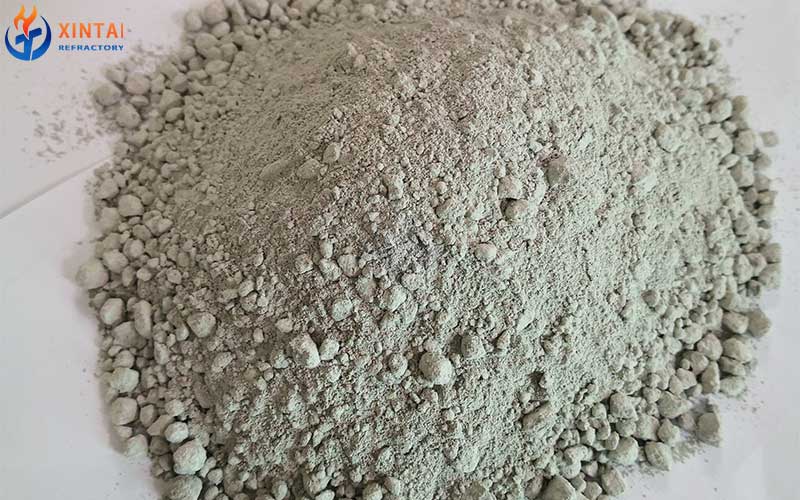
High alumina refractory bricks are widely recognized for their superior heat resistance, abrasion resistance, and acid-base corrosion resistance. These characteristics make them an essential material in various high-temperature industrial applications, particularly in boilers. In this article, we will explore the types of boilers where high alumina refractory bricks are used and the specific parts of

Types of Boilers and Applications of High Alumina Refractory Bricks Read More »
high alumina refractory bricks

Refractory Materials Selection and Application Guide: One-Stop Solution

Refractory materials play a crucial role in industries that involve high temperatures, such as steel, glass, ceramics, cement, and non-ferrous metal industries. These materials are designed to withstand extreme heat, thermal stress, chemical corrosion, and physical wear. The right selection of refractory materials is vital to ensure the efficiency, longevity, and safety of industrial operations.

Refractory Materials Selection and Application Guide: One-Stop Solution Read More »

Application of Refractory Castable in Metallurgical Industry

Which is More Wear-Resistant: Refractory Bricks or Refractory Castables?

In the world of high-temperature industrial applications, choosing the right refractory material is crucial to ensuring the longevity and effectiveness of your equipment. Among the most commonly used types of refractory materials are refractory bricks and refractory castables. Both materials are designed to withstand extreme heat and wear, but the question remains: which one is

Which is More Wear-Resistant: Refractory Bricks or Refractory Castables? Read More »

Scroll to Top