
Lime production is one of the most demanding industrial processes for refractory materials. A lime kiln operates under continuous high temperatures, frequent thermal cycling, chemical attack from lime and fuel ash, and mechanical abrasion caused by moving raw materials. Choosing the right Refractory Solutions for Lime Kilns is essential for improving kiln efficiency, reducing maintenance costs, extending campaign life, and ensuring stable lime quality.
Whether you operate a vertical shaft kiln, annular shaft kiln, or rotary lime kiln, selecting appropriate refractory materials for each working zone can significantly improve overall production performance. This guide explains the major refractory challenges in lime kilns, the most suitable refractory materials, and practical recommendations for selecting the best refractory solution.
Why Refractory Selection Matters in Lime Kilns
A lime kiln converts limestone (CaCO₃) into quicklime (CaO) through calcination at temperatures generally ranging from 900°C to 1250°C, with some areas reaching even higher temperatures.
Throughout this process, refractory linings are exposed to:
- High operating temperatures
- Rapid heating and cooling cycles
- Alkali attack
- Mechanical wear
- Dust erosion
- Thermal shock
- Chemical corrosion
- Structural loading
Poor-quality refractory materials can result in:
- Increased heat loss
- Higher fuel consumption
- Frequent shutdowns
- Premature lining failure
- Reduced kiln productivity
- Higher maintenance expenses
This is why choosing professional Refractory Solutions for Lime Kilns is considered a critical investment rather than a simple maintenance decision.
Operating Conditions Inside a Lime Kiln
Different kiln zones experience different service conditions.
Preheating Zone
The upper section mainly heats limestone before calcination begins.
Typical conditions include:
- 300–900°C temperatures
- Continuous thermal cycling
- Dust abrasion
- Moderate chemical attack
The refractory here should provide:
- Excellent thermal shock resistance
- Good insulation
- Adequate mechanical strength
Calcining Zone
This is the hottest part of the kiln.
Characteristics include:
- 1000–1250°C operating temperatures
- Direct flame exposure
- High lime dust concentration
- Chemical reaction with CaO
- Severe abrasion
Refractory materials must provide:
- High refractoriness
- Excellent hot strength
- Superior abrasion resistance
- Strong resistance to lime penetration
Cooling Zone
The cooling zone experiences repeated heating and cooling.
Main challenges include:
- Thermal shock
- Mechanical wear
- Airflow erosion
- Temperature fluctuations
Materials with good thermal shock resistance generally perform best in this section.
Common Types of Refractory Materials for Lime Kilns
Several refractory products are commonly used depending on kiln design and operating conditions.
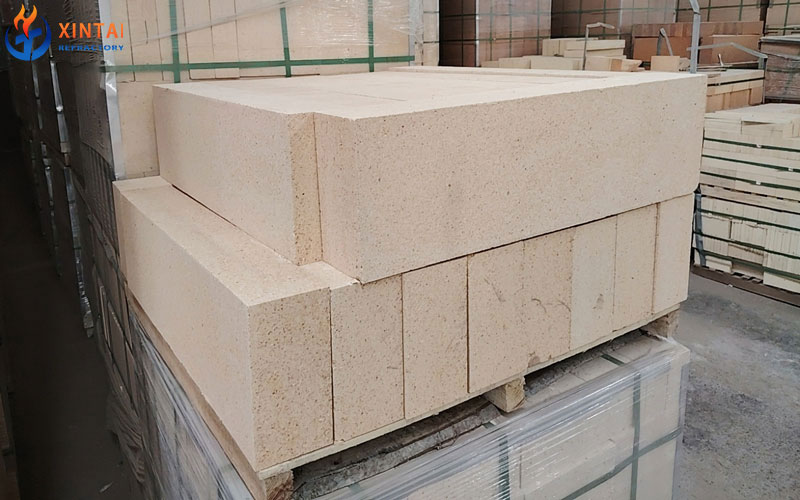
High Alumina Bricks
High alumina bricks are among the most widely used Refractory Solutions for Lime Kilns.
Advantages include:
- High refractoriness
- Good compressive strength
- Excellent wear resistance
- Strong thermal stability
- Long service life
Typical applications:
- Calcining zone
- Burner area
- Transition zone
Fire Clay Bricks
Fire clay bricks remain a cost-effective option for moderate-temperature sections.
Benefits include:
- Affordable cost
- Easy installation
- Good thermal shock resistance
- Reliable performance in medium-temperature areas
Typical applications:
- Preheating zone
- Upper shaft
- Auxiliary structures
Silica Bricks
Silica bricks are occasionally selected for areas requiring high-temperature stability.
Characteristics:
- Excellent load-bearing capability at elevated temperatures
- Low thermal expansion after stabilization
- Good dimensional stability
However, they are generally less resistant to rapid thermal shock compared with alumina-based products.
Mullite Bricks
Mullite bricks combine excellent thermal stability with good corrosion resistance.
Advantages include:
- Low thermal conductivity
- Excellent thermal shock resistance
- High strength
- Good chemical stability
Typical applications:
- Transition zones
- Medium- to high-temperature sections
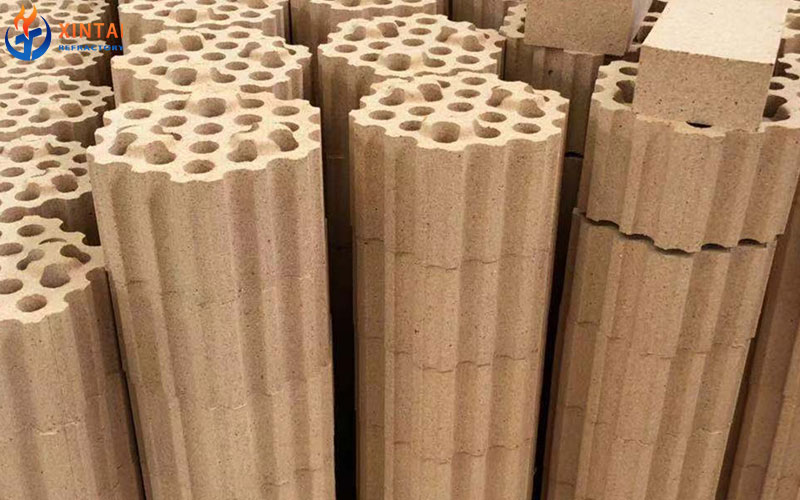
Insulating Fire Bricks
Energy efficiency has become increasingly important in lime production.
Insulating fire bricks provide:
- Low thermal conductivity
- Reduced shell temperature
- Improved fuel efficiency
- Lower heat loss
They are usually installed as backup insulation behind dense working linings.
Refractory Castables
Modern lime kilns increasingly use monolithic refractories.
Benefits include:
- Flexible installation
- Reduced joints
- Easier maintenance
- Better structural integrity
- Shorter repair times
Common applications include:
- Burner blocks
- Kiln hood
- Air ducts
- Damaged lining repairs
- Complex structural areas
Refractory Materials for Different Lime Kiln Types
Different kiln designs require different refractory strategies.
Rotary Lime Kilns
Rotary kilns expose refractory linings to continuous rotation and material movement.
Recommended materials:
- High alumina bricks
- Magnesia-based refractories (specific applications)
- Low-cement castables
- Abrasion-resistant castables
- Insulating backup linings
Key requirements:
- Abrasion resistance
- Thermal shock resistance
- Mechanical strength
Vertical Shaft Kilns
Vertical kilns have relatively stable temperatures but continuous material pressure.
Recommended materials:
- High alumina bricks
- Fire clay bricks
- Insulating bricks
- Refractory castables for burner areas
Key requirements:
- High load-bearing strength
- Good dimensional stability
- Long service life
Annular Shaft Kilns
Annular shaft kilns require excellent thermal efficiency.
Suitable materials include:
- Premium high alumina bricks
- Mullite bricks
- Insulating fire bricks
- Low-cement castables
These materials help improve heat recovery while maintaining structural stability.
Factors to Consider When Choosing Refractory Solutions for Lime Kilns
Selecting refractory materials involves more than simply choosing the highest temperature rating.
Operating Temperature
Each kiln zone experiences different temperatures.
Choose materials according to:
- Maximum service temperature
- Continuous operating temperature
- Safety margin
Chemical Compatibility
Lime is highly reactive.
The refractory should resist:
- CaO penetration
- Alkali attack
- Sulfur compounds
- Fuel ash
Chemical compatibility directly affects lining life.
Thermal Shock Resistance
Frequent shutdowns, startups, and production changes create thermal stress.
Materials with strong thermal shock resistance reduce cracking and spalling.
Mechanical Strength
Refractories should withstand:
- Limestone impact
- Kiln rotation
- Material movement
- Structural loads
High cold crushing strength and hot strength are essential.
Abrasion Resistance
Continuous movement of limestone and quicklime causes severe wear.
Dense refractory materials with excellent abrasion resistance help extend service life.
Energy Efficiency
Modern kiln operators increasingly focus on reducing fuel costs.
Low thermal conductivity materials:
- Lower shell temperatures
- Reduce energy consumption
- Improve overall kiln efficiency
Advantages of Customized Refractory Solutions for Lime Kilns
Every lime kiln operates under unique conditions.
Customized refractory designs provide:
- Better lining life
- Improved production stability
- Reduced maintenance frequency
- Lower energy consumption
- Faster installation
- Higher return on investment
Instead of using identical materials throughout the kiln, experienced refractory engineers recommend selecting specific products for each working zone based on operating conditions.
Conclusion
Selecting the right Refractory Solutions for Lime Kilns is essential for maintaining reliable kiln operation, reducing production costs, and maximizing refractory service life. Since each section of a lime kiln faces unique thermal, chemical, and mechanical challenges, a one-size-fits-all approach rarely delivers the best results. By matching the appropriate refractory materials—such as high alumina bricks, fire clay bricks, mullite bricks, insulating bricks, and refractory castables—to each kiln zone, operators can significantly improve durability, energy efficiency, and production stability.
Working with an experienced refractory supplier that understands lime kiln operating conditions can help optimize lining design, minimize unplanned shutdowns, and achieve a lower total cost of ownership over the entire kiln campaign.