FAQ

refractory precast shapes - Xintai Refractory

What Are Refractory Precast Shapes and Its Use in Cement Kiln

In modern cement production, kiln systems operate under extremely high temperatures, chemical erosion, and continuous mechanical stress. The refractory lining inside cement kilns plays a critical role in protecting equipment, improving thermal efficiency, and ensuring stable production. Among various refractory solutions, refractory precast shapes have become an increasingly popular choice due to their excellent performance, […]

What Are Refractory Precast Shapes and Its Use in Cement Kiln Read More »
High-Alumina Bricks

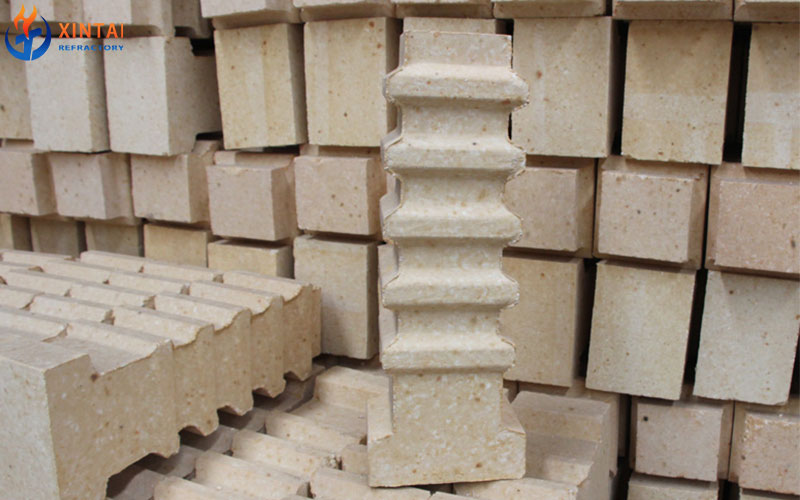
Main Functions of Refractory Anchor Bricks

In high-temperature industrial production, the stability and durability of furnace linings directly affect production efficiency, equipment safety, and operating costs. Industrial furnaces such as cement kilns, steel furnaces, glass melting furnaces, and petrochemical reactors often operate under extreme conditions, including high temperatures, thermal cycling, mechanical impact, and chemical corrosion. Under these harsh environments, refractory materials

Main Functions of Refractory Anchor Bricks Read More »

castables and ramming mass

What is the Difference Between Refractory Castables and Ramming Mass?

Refractory castables and ramming mass are two widely used categories of unshaped (monolithic) refractory materials in industrial high-temperature applications. Both are designed to form durable linings for furnaces, kilns, ladles, and other thermal equipment. However, despite their shared classification, they differ significantly in terms of composition design, installation method, physical performance, and application scope. Understanding

What is the Difference Between Refractory Castables and Ramming Mass? Read More »

High Alumina Bricks for Kiln Furnaces

What Is the Difference Between Fire Clay Bricks and High Alumina Bricks?

Refractory bricks are essential materials used in high-temperature industrial applications. Among the various types available, fire clay bricks and high alumina bricks are two of the most commonly used products in industries such as steel, cement, glass, ceramics, power generation, and petrochemicals. Although both belong to the category of aluminosilicate refractories, they differ significantly in

What Is the Difference Between Fire Clay Bricks and High Alumina Bricks? Read More »

Production of Clay Refractory Bricks in Xintai

What Types of Refractory Bricks Are Available?

Refractory bricks are essential materials used in high-temperature industrial applications. They are designed to withstand extreme heat, thermal shock, abrasion, and chemical corrosion while maintaining structural integrity. Different industries require different refractory materials, which is why a variety of refractory bricks have been developed to meet specific operating conditions. If you are planning a furnace

What Types of Refractory Bricks Are Available? Read More »

Silica Refractory Bricks

What are the common types of refractory materials?

Refractory materials are essential in industries that deal with high-temperature processes. These materials are designed to withstand extreme temperatures without losing their structural integrity. Here, we will dive deeper into the common types of refractory materials and their applications. 1. Refractory Bricks Refractory bricks, also known as fire bricks, are perhaps the most well-known and

What are the common types of refractory materials? Read More »

Scroll to Top