
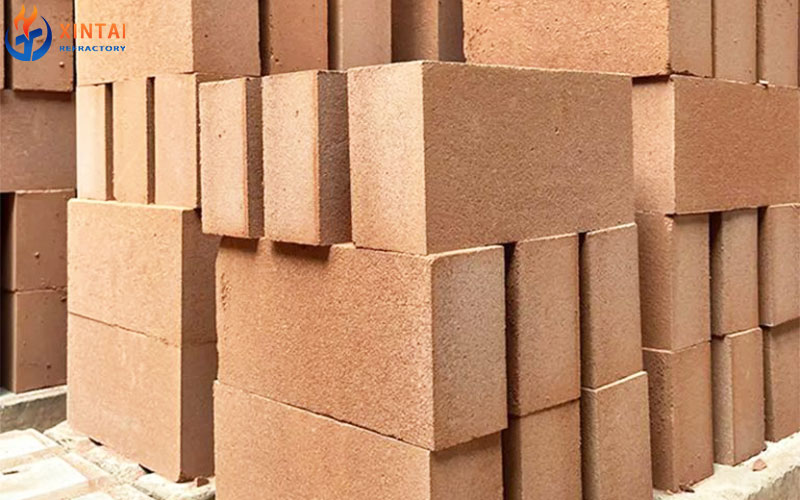
Refractory bricks are essential materials used in high-temperature industrial applications. They are designed to withstand extreme heat, thermal shock, abrasion, and chemical corrosion while maintaining structural integrity. Different industries require different refractory materials, which is why a variety of refractory bricks have been developed to meet specific operating conditions.
If you are planning a furnace lining project or looking for suitable heat-resistant materials, understanding the various types of refractory bricks is crucial. This FAQ guide explains the most common refractory brick types, their characteristics, and their applications.
What Are Refractory Bricks?
Refractory bricks, also known as fire bricks, are specially manufactured ceramic materials capable of resisting temperatures above 1000°C. They are widely used in steel plants, cement kilns, glass furnaces, boilers, petrochemical facilities, ceramic kilns, and non-ferrous metal industries.
Their primary functions include:
- Withstanding high temperatures
- Providing thermal insulation
- Resisting chemical attack
- Protecting furnace structures
- Extending service life
- Improving energy efficiency
Because operating conditions differ significantly from one industry to another, several types of refractory bricks are available.
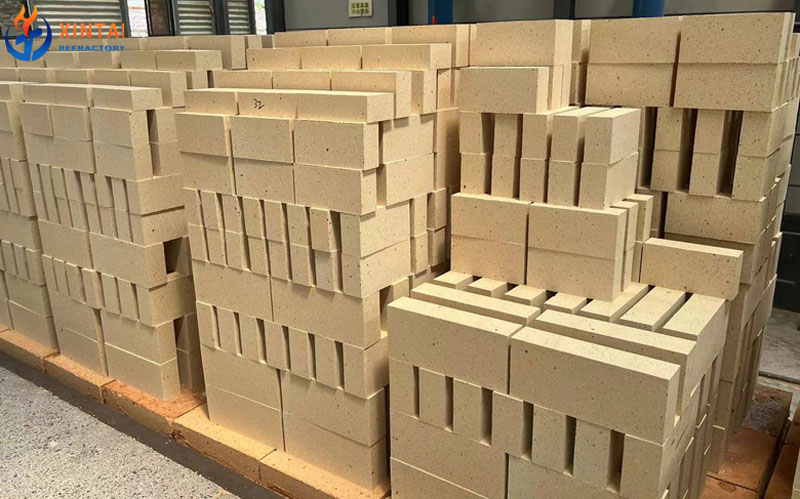
What Types of Refractory Bricks Are Available?
The most common types include:
- Fire Clay Bricks
- High Alumina Bricks
- Silica Bricks
- Magnesia Bricks
- Mullite Bricks
- Corundum Bricks
- Insulating Fire Bricks
Each type possesses unique physical and chemical properties suitable for specific applications.
What Are Fire Clay Bricks?
Fire clay bricks are among the most widely used refractory products. They are produced from refractory clay and contain alumina and silica as their main components.
Main Features
- Good thermal shock resistance
- Stable volume at high temperatures
- Excellent wear resistance
- Cost-effective solution
- Easy installation and maintenance
Typical Temperature Range
Fire clay bricks generally operate between 1300°C and 1700°C, depending on alumina content.
Common Applications
- Hot blast stoves
- Boilers
- Coke ovens
- Ceramic kilns
- Lime kilns
- General industrial furnaces
Because of their balanced performance and economical price, fire clay bricks remain one of the most popular refractory materials worldwide.
What Are High Alumina Bricks?
High alumina bricks contain a higher percentage of Al₂O₃ than ordinary fire clay bricks. Increasing alumina content enhances refractoriness, mechanical strength, and corrosion resistance.
Main Features
- High refractoriness
- Excellent load-bearing capacity
- Strong resistance to slag erosion
- Good thermal stability
- Long service life
Typical Alumina Content
High alumina bricks are commonly classified into:
- 48% Al₂O₃
- 55% Al₂O₃
- 65% Al₂O₃
- 75% Al₂O₃
- 80% Al₂O₃
Common Applications
- Blast furnaces
- Cement rotary kilns
- Steel ladles
- Reheating furnaces
- Glass furnaces
- Incinerators
Compared with fire clay bricks, high alumina bricks are suitable for more demanding environments involving higher temperatures and severe chemical attack.
What Are Silica Bricks?
Silica bricks are acidic refractories mainly composed of silicon dioxide (SiO₂). They are particularly known for their excellent performance under sustained high temperatures.
Main Features
- High refractoriness under load
- Excellent dimensional stability
- Good resistance to acidic slags
- Outstanding high-temperature strength
Operating Temperature
Silica bricks can withstand temperatures above 1700°C.
Common Applications
- Coke ovens
- Glass melting furnaces
- Hot blast stoves
- Acidic furnace environments
Silica bricks exhibit very low shrinkage at elevated temperatures, making them ideal for structures requiring long-term dimensional stability.
What Are Magnesia Bricks?
Magnesia bricks are basic refractories containing magnesium oxide (MgO) as the principal component.
Main Features
- Excellent resistance to alkaline slags
- High melting point
- Outstanding corrosion resistance
- Superior wear resistance
Typical Service Temperature
Magnesia bricks can withstand temperatures exceeding 1800°C.
Common Applications
- Steel converters
- Electric arc furnaces
- Secondary refining ladles
- Cement rotary kilns
- Non-ferrous metallurgy furnaces
These bricks are indispensable in modern steelmaking because of their exceptional resistance to basic slags.
What Are Mullite Bricks?
Mullite bricks are manufactured from mullite minerals or synthetic mullite materials. They are known for combining excellent thermal shock resistance with high-temperature strength.
Main Features
- Low thermal expansion
- Excellent creep resistance
- Superior thermal shock resistance
- Good chemical stability
Service Temperature
Mullite bricks generally operate between 1500°C and 1750°C.
Common Applications
- Ceramic kilns
- Glass furnaces
- Petrochemical furnaces
- High-temperature industrial kilns
Mullite bricks are particularly suitable for environments experiencing frequent heating and cooling cycles.
What Are Corundum Bricks?
Corundum bricks are premium refractory products with alumina content exceeding 90%.
Main Features
- Extremely high refractoriness
- Exceptional wear resistance
- Superior mechanical strength
- Excellent chemical stability
- Outstanding slag resistance
Typical Temperature Capability
Corundum bricks can operate at temperatures above 1800°C.
Common Applications
- Blast furnace runners
- Steel ladles
- Petrochemical reactors
- Waste incinerators
- High-temperature industrial furnaces
Because of their superior performance, corundum bricks are often selected for extremely demanding applications.
What Are Insulating Fire Bricks?
Unlike dense refractory bricks, insulating fire bricks are lightweight products designed primarily to reduce heat loss.
Main Features
- Low thermal conductivity
- Lightweight structure
- Excellent energy-saving performance
- Easy handling and installation
- Reduced furnace weight
Temperature Grades
Common grades include:
- 1000°C
- 1260°C
- 1350°C
- 1430°C
- 1550°C
- 1650°C
- 1750°C
Typical Applications
- Backup insulation layers
- Ceramic kilns
- Heat treatment furnaces
- Glass furnaces
- Petrochemical equipment
- Industrial boilers
Insulating fire bricks help improve thermal efficiency and reduce fuel consumption.
Which Refractory Brick Is Best?
There is no single “best” refractory brick for every application. The ideal choice depends on several factors:
Operating Temperature
Higher temperatures require materials with higher refractoriness.
Chemical Environment
- Acidic atmospheres favor silica bricks.
- Basic slags require magnesia bricks.
- Neutral conditions may use high alumina or mullite bricks.
Mechanical Stress
Heavy loads require materials with high compressive strength.
Thermal Shock Conditions
Frequent temperature fluctuations demand excellent thermal shock resistance.
Energy Efficiency
Insulating fire bricks are preferred when minimizing heat loss is essential.
How Do You Choose the Right Refractory Brick?
Before selecting refractory materials, consider:
- Maximum operating temperature
- Furnace atmosphere
- Slag composition
- Mechanical abrasion
- Thermal cycling conditions
- Energy-saving requirements
- Expected service life
- Installation methods
- Budget considerations
Providing detailed operating conditions to a refractory supplier allows engineers to recommend the most suitable solution.
Can Different Types of Refractory Bricks Be Used Together?
Yes.
Modern furnace linings often employ multiple refractory materials to optimize performance.
For example:
Working Layer
- High alumina bricks
- Magnesia bricks
- Corundum bricks
Transition Layer
- Fire clay bricks
- Mullite bricks
Insulation Layer
- Insulating fire bricks
This multi-layer design improves durability while reducing energy consumption.
Conclusion
Understanding the different types of refractory bricks is essential for selecting the most suitable material for industrial furnaces and kilns. Fire clay bricks, high alumina bricks, silica bricks, magnesia bricks, mullite bricks, corundum bricks, and insulating fire bricks each offer unique advantages and are designed for different operating conditions.
By evaluating temperature, chemical environment, thermal shock resistance, and energy efficiency requirements, industries can choose the optimal refractory brick combination to maximize furnace performance, reduce maintenance costs, and extend service life.