
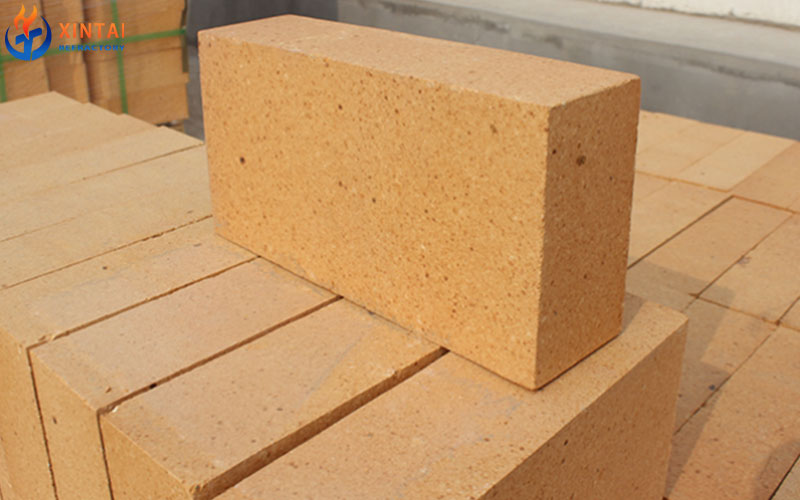
Refractory bricks are essential materials used in high-temperature industrial equipment such as blast furnaces, hot blast stoves, glass furnaces, cement kilns, coke ovens, and various thermal processing systems. These materials are expected to withstand extreme temperatures, mechanical loads, chemical attack, and continuous operation over long periods. Among the many properties that determine the performance of refractory bricks, creep resistance is one of the most important.
Creep rate refers to the gradual deformation of a material when it is exposed to high temperatures and constant stress for an extended period. Although this deformation occurs slowly, excessive creep can eventually cause structural instability, premature failure, and increased maintenance costs. Therefore, a low creep rate is a critical characteristic for refractory materials used in demanding industrial applications.
This article explores the importance of low creep rates, the factors that influence creep behavior, and how low-creep refractory bricks contribute to the reliability and longevity of industrial furnaces.
What Is Creep in Refractory Bricks?
Creep is the slow and permanent deformation that occurs when refractory materials are subjected to sustained loads at elevated temperatures. Unlike thermal shock or mechanical fracture, creep develops gradually over time. Even if the temperature remains below the melting point of the material, the combined effects of heat and stress can cause changes in shape and dimensions.
In industrial furnaces, refractory bricks are often exposed to temperatures exceeding 1200°C while simultaneously supporting the weight of the furnace structure and resisting pressure from molten materials or gas flow. Under such conditions, ordinary refractory bricks may experience significant deformation, resulting in damage to the lining system.
Low-creep refractory bricks are specially engineered to minimize this deformation, thereby maintaining dimensional stability and ensuring long-term operational reliability.
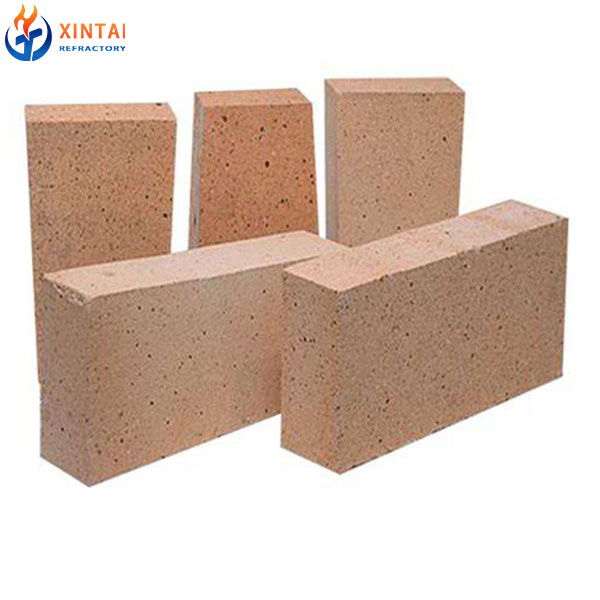
Why Is a Low Creep Rate Important?
Maintaining Structural Stability
One of the most important advantages of low creep rate refractory bricks is their ability to maintain structural integrity under prolonged high-temperature conditions.
Excessive creep can lead to:
- Distortion of furnace walls
- Collapse of arches and roofs
- Misalignment of checker chambers
- Uneven stress distribution
- Cracks and joint openings
By minimizing deformation, low-creep bricks preserve the original shape and geometry of the furnace lining. This ensures safe operation and reduces the risk of unexpected failures.
Extending Service Life
Mechanical strength and dimensional stability gradually deteriorate when refractory materials undergo excessive creep. Over time, the material loses its ability to withstand thermal and mechanical stresses.
Low-creep refractory bricks retain their properties for a much longer period. Their superior high-temperature performance helps extend furnace campaign life and reduces the frequency of repairs and shutdowns.
Longer service life translates directly into:
- Lower replacement costs
- Reduced downtime
- Improved production efficiency
- Increased return on investment
Protecting Furnace Equipment
High-temperature equipment represents a significant capital investment. Damage to refractory linings can negatively affect the entire furnace structure and associated components.
A lower creep rate helps minimize:
- Lining deformation
- Stress concentration
- Brick displacement
- Heat loss
- Structural damage
As a result, furnace shells, steel structures, and supporting systems remain protected, leading to more stable operation and lower maintenance expenses.
Improving Thermal Efficiency
When refractory bricks deform, gaps and cracks may appear within the lining. These defects allow heat to escape and reduce the overall efficiency of the furnace.
Low-creep materials maintain close brick contact and stable dimensions, which contribute to:
- Better heat retention
- Reduced fuel consumption
- Uniform temperature distribution
- Improved energy efficiency
This is particularly important in industries where energy costs represent a major portion of production expenses.
Types of Low-Creep Refractory Bricks
Different types of refractory bricks are designed to achieve low creep characteristics depending on the operating environment.
Low Creep Fire Clay Bricks
Low creep fire clay bricks are manufactured using selected bauxite clinker, andalusite, and mullite-based materials. Through optimized particle grading and high-temperature firing, these bricks exhibit excellent dimensional stability and resistance to deformation.
Their advantages include:
- Good thermal shock resistance
- Low cost compared with high-alumina products
- Excellent performance in hot blast stoves and boilers
- Suitable for regenerative chambers and partition walls
Applications include:
- Hot blast stoves
- Boiler linings
- Ceramic kilns
- Heat treatment furnaces
- Coke ovens
Low Creep High Alumina Bricks
Low creep high alumina bricks contain higher alumina content and offer outstanding resistance to high temperatures and slag attack.
Their characteristics include:
- High refractoriness under load
- Superior mechanical strength
- Excellent corrosion resistance
- Low deformation under prolonged heating
These bricks are widely used in:
- Blast furnaces
- Rotary kilns
- Steelmaking furnaces
- Glass melting furnaces
Low Creep Andalusite Bricks
Andalusite-based refractory bricks possess excellent thermal stability and chemical resistance.
Advantages include:
- High volume stability
- Good resistance to alkali attack
- Excellent thermal shock resistance
- Low permanent linear change
Typical applications include:
- Cement kilns
- Glass regenerators
- Steel ladles
- Coke ovens
Factors Affecting Creep Rate
Several factors determine the creep behavior of refractory materials.
Operating Temperature
Temperature is one of the most critical factors influencing creep.
As temperature increases, atomic diffusion within the material accelerates, causing deformation to occur more rapidly. Prolonged exposure to extremely high temperatures significantly increases creep deformation.
Therefore, selecting refractory bricks with adequate refractoriness under load is essential.
Applied Stress
The weight carried by the refractory structure directly affects creep behavior.
Heavy loads increase stress on the material and accelerate deformation. Furnace roofs, arches, and supporting walls are especially vulnerable to creep because they continuously bear structural loads.
Low-creep bricks are specifically designed to withstand these demanding conditions.
Chemical Composition
The mineral composition and impurity content strongly influence creep resistance.
Materials containing:
- High-purity alumina
- Mullite
- Andalusite
- Fused aggregates
generally exhibit superior high-temperature stability.
Impurities such as alkali oxides, iron oxides, and low-melting glass phases may promote creep and reduce service life.
Microstructure
The internal structure of refractory bricks also affects their deformation behavior.
Important factors include:
- Porosity
- Grain size distribution
- Crystal phase composition
- Bonding strength
Dense materials with low porosity typically provide better resistance to creep because they contain fewer weak points where deformation can occur.
Atmosphere and Chemical Environment
Different furnace atmospheres can affect the long-term stability of refractory materials.
Oxidizing, reducing, and corrosive environments may alter the microstructure and accelerate creep.
In addition, reactions with slag, alkalis, and process gases can weaken the material and reduce its load-bearing capability.
Industries That Benefit from Low-Creep Refractory Bricks
Iron and Steel Industry
Hot blast stoves and blast furnaces require refractory materials capable of maintaining dimensional stability during long campaigns.
Low-creep bricks are widely used in:
- Checker chambers
- Partition walls
- Supporting arches
- Furnace roofs
Their ability to resist deformation contributes to stable furnace operation and higher productivity.
Glass Industry
Glass furnaces operate continuously for years without interruption. Any deformation in the regenerator structure can negatively affect heat exchange efficiency.
Low-creep refractory bricks provide:
- Long-term dimensional stability
- Improved thermal efficiency
- Reduced maintenance requirements
Cement Industry
Rotary kilns expose refractory linings to high temperatures and mechanical stress.
Low-creep bricks help maintain:
- Kiln geometry
- Stable operation
- Reduced heat loss
- Longer campaign life
Petrochemical Industry
Cracking furnaces and reformers operate under severe thermal conditions.
Low-creep refractory materials ensure reliable performance and prevent structural distortion caused by prolonged exposure to heat.
Ceramic Industry
Tunnel kilns and shuttle kilns require precise temperature distribution.
Stable refractory linings help improve product quality while minimizing energy consumption.
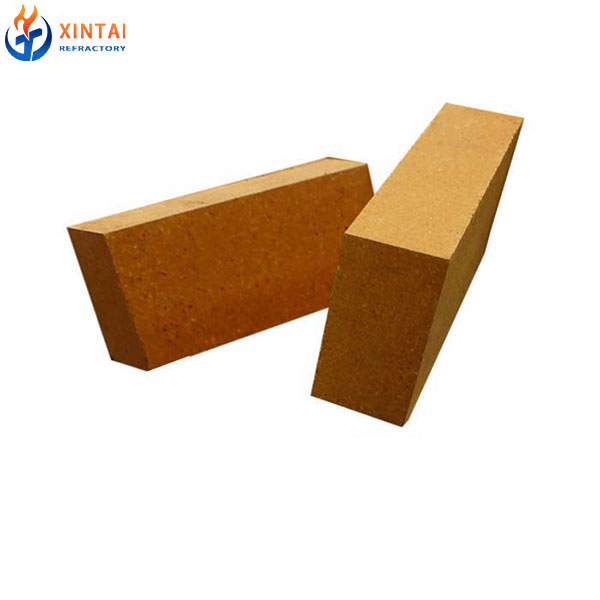
How to Select Low-Creep Refractory Bricks
When selecting refractory materials, several factors should be considered:
- Maximum operating temperature
- Mechanical load conditions
- Chemical environment
- Thermal cycling frequency
- Required service life
- Energy efficiency requirements
Key performance indicators include:
- Refractoriness under load
- Apparent porosity
- Bulk density
- Cold crushing strength
- Permanent linear change
- High-temperature creep rate
Choosing the proper refractory material can significantly improve furnace reliability and reduce operating costs.
Conclusion
The creep performance of refractory bricks plays a decisive role in determining their durability and effectiveness under high-temperature conditions. Excessive creep can lead to structural instability, reduced thermal efficiency, increased maintenance costs, and shorter furnace life.
Low-creep refractory clay bricks offer superior dimensional stability, extended service life, and enhanced protection for high-temperature equipment. Whether used in blast furnaces, hot blast stoves, glass furnaces, cement kilns, or petrochemical plants, these materials help ensure safe, efficient, and reliable industrial operations.
As industrial processes continue to evolve, low-creep refractory materials will remain an indispensable solution for achieving higher productivity, lower energy consumption, and longer furnace campaign life.