
When purchasing refractory materials for industrial furnaces, kilns, fireplaces, and high-temperature equipment, one of the most common concerns is the fire clay bricks price. Fire clay bricks are widely used because of their good thermal stability, resistance to high temperatures, and cost-effectiveness compared with many advanced refractory products. However, the price of fire clay bricks can vary significantly depending on raw materials, specifications, manufacturing processes, order quantities, and market conditions.
Understanding the factors that influence fire clay bricks price helps buyers make better decisions, control project costs, and select suitable refractory solutions without sacrificing quality.
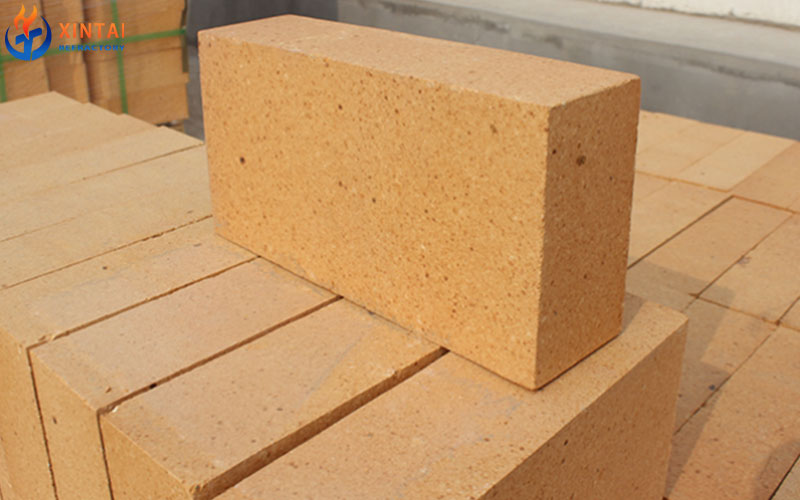
What Are Fire Clay Bricks?
Fire clay bricks are a type of aluminosilicate refractory brick mainly produced from fire clay, which contains a certain amount of alumina (Al₂O₃) and silica (SiO₂). These bricks are designed to withstand high temperatures and are commonly used in applications such as industrial furnaces, boilers, kilns, chimneys, heating equipment, and fireplaces.
Compared with high alumina bricks, fire clay bricks generally have lower alumina content and are more economical. Their balance between performance and affordability makes them a popular choice for many medium-temperature industrial applications.
Typical characteristics of fire clay bricks include:
- Good resistance to thermal shock
- Stable performance under high-temperature conditions
- Low thermal expansion
- Good resistance to abrasion
- Cost-effective solution for furnace linings
- Easy installation and maintenance
Because of these advantages, fire clay bricks remain one of the most widely purchased refractory materials worldwide.
Average Fire Clay Bricks Price Range
The fire clay bricks price depends on the quality grade, size, production standard, and supplier location. Generally, standard fire clay bricks are among the more affordable refractory bricks, while customized or higher-performance grades may cost more.
The price is usually affected by:
- Alumina content
- Bulk density
- Refractoriness temperature
- Compressive strength
- Brick size and shape
- Manufacturing technology
- Packaging and transportation costs
- Order volume
For standard industrial fire clay bricks, prices are often calculated by ton rather than by individual brick. Large-volume industrial purchases usually receive better pricing compared with small quantities because production and transportation costs can be distributed more efficiently.
Buyers should avoid selecting suppliers based only on the lowest quotation. Extremely low prices may indicate lower-quality raw materials, insufficient firing temperature, or inconsistent product performance.
Main Factors Affecting Fire Clay Bricks Price
1. Raw Material Quality
The quality and availability of raw materials have a direct impact on the final fire clay bricks price.
High-quality fire clay with stable chemical composition can improve:
- Refractoriness
- Mechanical strength
- Thermal stability
- Service life
Premium raw materials usually increase production costs but can provide longer furnace lining life, reducing replacement frequency and maintenance expenses.
Lower-grade clay may reduce initial purchasing costs, but bricks made from poor raw materials may experience cracking, deformation, or faster wear during operation.
2. Alumina Content
Alumina content is one of the most important indicators affecting the performance and cost of refractory bricks.
Fire clay bricks usually contain moderate alumina levels. As alumina content increases, the brick generally provides:
- Higher temperature resistance
- Better chemical stability
- Improved mechanical strength
Bricks with higher alumina content require better raw materials and more controlled production processes, which can increase the fire clay bricks price.
When choosing bricks, customers should consider the actual operating temperature rather than automatically selecting the highest-grade product.
3. Brick Specifications and Custom Sizes
Standard fire clay bricks are usually more affordable because they can be mass-produced efficiently.
Common standard sizes include:
- Straight bricks
- Wedge bricks
- Arch bricks
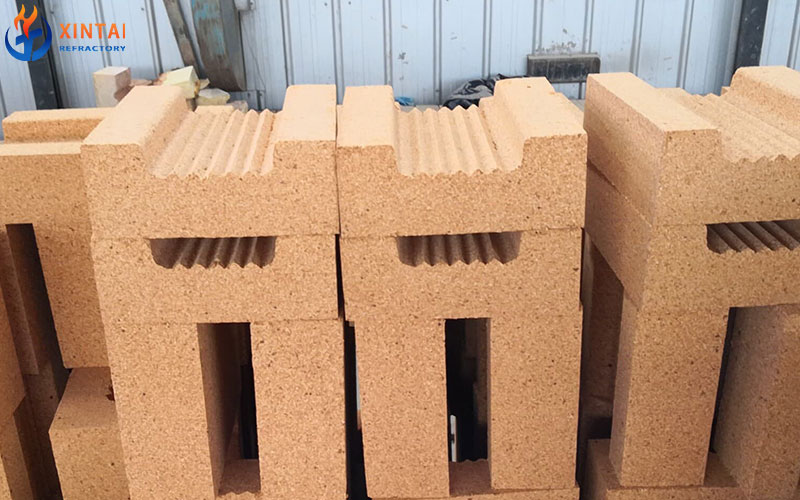
- Special shaped bricks
Custom-shaped fire clay bricks require additional mold production, processing, and quality inspection. Therefore, customized refractory shapes usually have a higher price than standard products.
For complex furnace structures, customized bricks may provide better installation efficiency and reduce cutting waste, which can lower overall project costs.
4. Production Process
The manufacturing process also influences the final price.
A reliable fire clay brick production process typically includes:
- Raw material preparation
- Mixing and grinding
- Brick forming
- Drying
- High-temperature firing
- Quality inspection
- Packaging
Advanced production equipment and strict quality control systems increase manufacturing costs but ensure better product consistency.
Firing temperature is especially important. Proper firing improves brick strength and durability, while insufficient firing may result in poor performance during high-temperature applications.
5. Order Quantity
The purchasing quantity has a significant effect on fire clay bricks price.
Large industrial projects often purchase hundreds or thousands of tons of refractory bricks. Suppliers can usually provide more competitive prices for bulk orders because:
- Production planning is easier
- Packaging costs are reduced
- Transportation efficiency improves
Small orders may have a higher unit cost due to minimum production requirements and additional handling expenses.
For long-term projects, planning material requirements in advance can help reduce procurement costs.
How to Compare Fire Clay Bricks Price from Different Suppliers
When comparing quotations from different refractory brick manufacturers, buyers should evaluate more than just the price.
Important comparison factors include:
Chemical Composition
Check:
- Al₂O₃ content
- SiO₂ content
- Fe₂O₃ content
Chemical composition directly affects refractory performance.
Physical Properties
Important technical parameters include:
- Bulk density
- Cold crushing strength
- Apparent porosity
- Refractoriness
- Thermal expansion
Two bricks with similar prices may have very different service lives due to differences in physical properties.
Production Capacity
A manufacturer with stable production capacity can provide:
- Consistent product quality
- Reliable delivery schedules
- Better support for large projects
Technical Support
Professional refractory suppliers can recommend suitable brick grades according to:
- Furnace temperature
- Working environment
- Fuel type
- Chemical corrosion conditions
- Mechanical wear requirements
This helps customers avoid unnecessary costs caused by selecting unsuitable materials.

Applications Where Fire Clay Bricks Are Commonly Used
Fire clay bricks are widely applied in various industries, including:
Industrial Furnaces
They are used for furnace walls, bottoms, and heat storage areas where moderate temperature resistance is required.
Steel Industry
Fire clay bricks can be used in auxiliary heating equipment and some non-critical furnace sections.
Ceramic and Glass Industry
They are suitable for kiln linings because of their thermal stability and economical performance.
Boilers and Power Plants
Fire clay bricks are commonly used in combustion chambers, chimneys, and heat-resistant structures.
Fireplaces and Heating Equipment
Due to their affordability and thermal resistance, they are also widely used in commercial and residential heating applications.
Tips for Reducing Fire Clay Bricks Purchasing Costs
To get a reasonable fire clay bricks price, buyers can consider the following strategies:
Choose the Correct Grade
Using a higher-grade refractory brick than necessary increases costs. Select products based on actual working conditions.
Purchase in Bulk
Larger orders usually achieve better pricing and reduce transportation costs.
Work Directly with Manufacturers
Buying directly from refractory manufacturers can reduce intermediate costs and improve communication.
Plan Delivery Properly
Transportation is an important part of total purchasing costs. Proper scheduling can reduce urgent shipping expenses.
Focus on Long-Term Value
The cheapest brick is not always the most economical choice. A slightly higher-quality product may provide a longer service life and lower maintenance costs.
Conclusion
The fire clay bricks price is influenced by many factors, including raw material quality, alumina content, brick specifications, production technology, order quantity, and supplier capabilities. When selecting fire clay bricks, buyers should consider both initial purchase costs and long-term performance.
Choosing the right refractory brick supplier can help ensure stable quality, reliable delivery, and better overall project value. For customers looking for professional refractory solutions, Xintai Refractory is a professional manufacturer of refractory bricks, castables, and other refractory materials, providing reliable products for various high-temperature industrial applications.