
Industrial furnaces are widely used in industries such as steel, metallurgy, cement, glass, ceramics, non-ferrous metals, and chemical processing. During operation, furnaces are exposed to extremely high temperatures, thermal fluctuations, chemical corrosion, mechanical impact, and abrasion. Therefore, selecting suitable Furnace Refractory Materials is one of the most important factors affecting furnace performance, energy efficiency, and service life.
Refractory materials are the basic construction materials of industrial kilns and furnaces. They are mainly used to build furnace linings, protect furnace structures, reduce heat loss, and ensure stable operation under high-temperature conditions. Different industrial furnaces have different working environments, so the requirements for refractory materials are also different.
The correct selection of refractory materials requires a comprehensive understanding of furnace temperature, chemical environment, mechanical stress, thermal conditions, and operating requirements. Only by selecting suitable refractory products can the furnace achieve longer service life, lower maintenance costs, and better production efficiency.
What Are Furnace Refractory Materials?
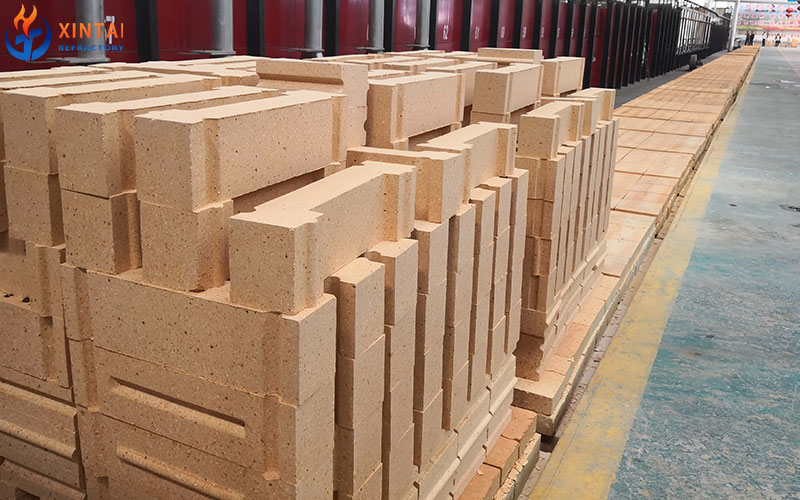
Furnace Refractory Materials are heat-resistant inorganic non-metallic materials that can withstand high temperatures and maintain their physical and chemical properties during industrial furnace operation. They are widely used as structural materials and protective linings in various thermal equipment.
Unlike ordinary building materials, refractory materials must withstand extreme conditions, including high-temperature heating, molten materials, corrosive gases, slag erosion, and mechanical wear.
Common types of furnace refractory materials include:
- High alumina bricks
- Fireclay bricks
- Silica bricks
- Magnesia bricks
- Magnesia-carbon bricks
- Refractory castables
- Insulating refractory bricks
- Ramming materials
- Plastic refractories
Different refractory materials have different chemical compositions, microstructures, and production processes, which determine their suitability for different furnace applications.
Basic Requirements for Furnace Refractory Materials
Because refractory materials are exposed to severe operating conditions, they must meet several important performance requirements.
1. High Temperature Resistance
The primary function of refractory materials is to withstand high temperatures without melting, softening, or losing structural stability.
During furnace operation, the lining must maintain sufficient strength even under continuous high-temperature conditions. If the refractory material cannot resist the operating temperature, it may deform, collapse, or fail prematurely.
The maximum service temperature depends on the chemical composition and structure of the refractory material.
For example:
- High alumina refractories are suitable for high-temperature industrial furnaces.
- Magnesia refractories are commonly used in environments with alkaline slag.
- Fireclay refractories are suitable for medium-temperature applications.
Therefore, understanding the actual furnace temperature is the first step in selecting suitable Furnace Refractory Materials.
2. Load Softening Resistance
During operation, refractory materials are not only exposed to high temperatures but also subjected to mechanical loads from furnace structures and materials.
A good refractory material should maintain its strength under high temperature and pressure without excessive deformation.
Load softening temperature is an important indicator used to evaluate the ability of refractory materials to resist deformation under high-temperature loading.
Materials with higher load softening temperatures can provide better support and longer service life in heavy-duty furnace applications.
3. Chemical Corrosion Resistance
During industrial production, refractory linings often come into contact with molten metals, slag, gases, and chemical substances. These materials may react with refractory components and cause corrosion.
Chemical corrosion can lead to:
- Surface erosion
- Structural damage
- Reduced lining thickness
- Shortened furnace life
Different furnace applications require different corrosion resistance properties.
For example:
- Steelmaking furnaces require refractories that can resist molten steel and slag erosion.
- Glass furnaces require materials with excellent resistance to glass liquid corrosion.
- Cement kilns require refractories that can withstand alkaline environments.
Choosing refractory materials with suitable chemical stability is essential for long-term furnace operation.
4. Thermal Shock Resistance
Industrial furnaces often experience rapid temperature changes during startup, shutdown, charging, and production adjustments.
These temperature changes create thermal stress inside refractory materials. Poor thermal shock resistance may cause:
- Cracking
- Spalling
- Surface peeling
- Structural failure
High-quality Furnace Refractory Materials should have good thermal stability and resistance to repeated heating and cooling cycles.
Materials with appropriate thermal expansion characteristics can better absorb temperature changes and reduce damage caused by thermal stress.
5. Volume Stability at High Temperature
A reliable refractory material should maintain stable volume during heating and cooling.
Excessive expansion may cause:
- Masonry deformation
- Internal stress
- Cracks between refractory components
Excessive shrinkage may create gaps inside the furnace lining, resulting in heat leakage and reduced protection.
Important evaluation factors include:
- Linear expansion coefficient
- Permanent linear change after heating
- Thermal expansion behavior
Stable volume performance helps improve furnace safety and extend service life.
6. Mechanical Strength and Wear Resistance
During furnace operation, refractory materials are often exposed to mechanical impact and abrasion.
Common causes of mechanical damage include:
- Impact from charging materials
- High-speed airflow erosion
- Molten metal movement
- Slag washing effects
Therefore, refractory materials must have sufficient mechanical strength and wear resistance.
Important performance indicators include:
- Cold crushing strength
- Hot strength
- Abrasion resistance
- Structural stability
Refractories with good mechanical properties can maintain their integrity and reduce replacement frequency.
Main Types of Furnace Refractory Materials
Different industrial furnaces require different refractory solutions according to their working conditions.
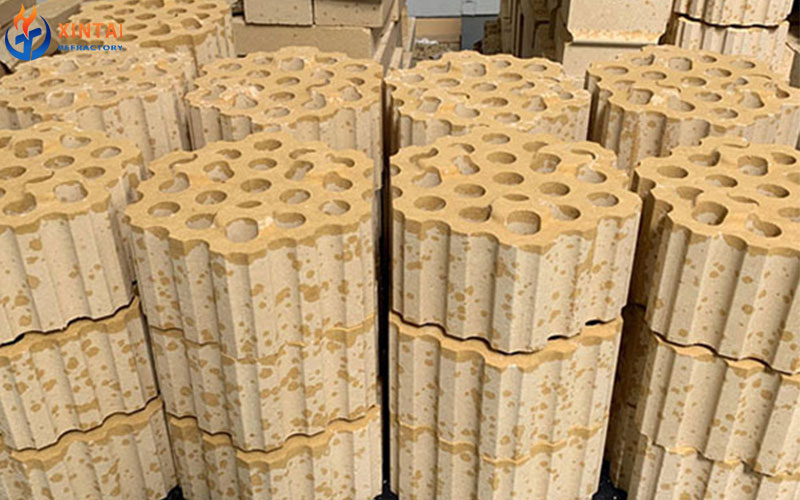
High Alumina Refractory Materials
High alumina refractory materials contain a high percentage of aluminum oxide (Al₂O₃), which provides excellent high-temperature performance.
Main advantages include:
- High refractoriness
- Good mechanical strength
- Strong corrosion resistance
- Excellent wear resistance
High alumina bricks and castables are widely used in:
- Steelmaking furnaces
- Blast furnaces
- Cement kilns
- Heat treatment furnaces
- Industrial heating equipment
They are one of the most commonly used types of Furnace Refractory Materials.
Refractory Castables
Refractory castables are unshaped refractory materials that can be installed by casting, vibration, or spraying methods.
Their advantages include:
- Easy installation
- Good structural strength
- Suitable for complex furnace structures
- Convenient maintenance and repair
Refractory castables are widely used in furnace walls, furnace bottoms, burner areas, and high-temperature equipment.
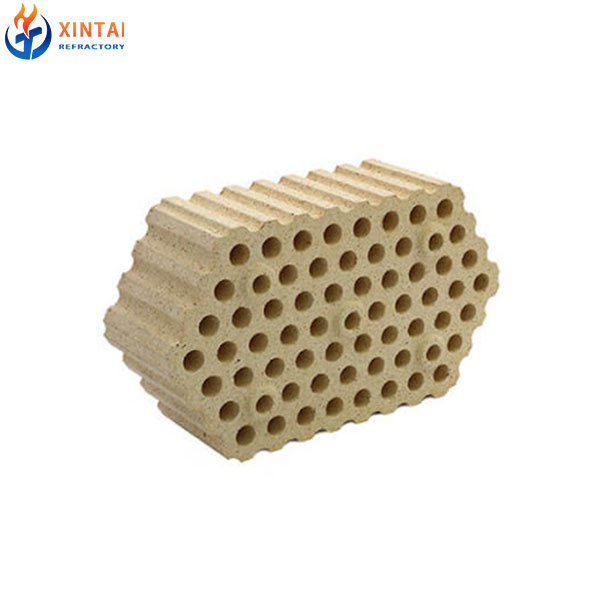
Insulating Refractory Materials
Insulating refractory materials are mainly used to reduce heat transfer and improve energy efficiency.
Their characteristics include:
- Low thermal conductivity
- Lightweight structure
- Reduced heat loss
- Lower energy consumption
They are usually installed behind working linings to provide additional thermal insulation.
Factors to Consider When Selecting Furnace Refractory Materials
When choosing refractory materials, several factors should be carefully evaluated.
Furnace Operating Conditions
The furnace type and production process determine the required refractory performance.
Important factors include:
- Working temperature
- Heating cycle
- Furnace atmosphere
- Contact materials
- Operating pressure
For example, a steelmaking furnace and a glass melting furnace require completely different refractory solutions.
Material Compatibility
The chemical composition of refractory materials should match the furnace environment.
Using unsuitable materials may accelerate corrosion and shorten service life.
A professional selection process should consider the interaction between refractory materials and:
- Molten metal
- Slag
- Dust
- Gases
- Chemical compounds
Service Life Requirements
Different industries have different expectations for refractory durability.
For continuous production industries, such as steel and cement manufacturing, longer refractory service life can significantly reduce downtime and maintenance costs.
Therefore, users should consider both initial investment and long-term operating benefits when selecting refractory materials.
Conclusion
The selection of suitable Furnace Refractory Materials plays a critical role in furnace construction, operation, and maintenance. High-quality refractory materials must withstand extreme temperatures, chemical corrosion, thermal shock, mechanical stress, and wear.
When selecting refractory materials, users should consider furnace temperature, working environment, corrosion conditions, mechanical requirements, and expected service life. Different applications require different solutions, including high alumina bricks, refractory castables, insulating materials, and specialized refractory products.
A scientific selection process combined with reliable product quality can significantly improve furnace performance, reduce maintenance costs, and extend equipment service life. Working with an experienced refractory manufacturer is therefore essential for achieving safe, efficient, and long-lasting furnace operation.