
In high-temperature industrial production, the stability and durability of furnace linings directly affect production efficiency, equipment safety, and operating costs. Industrial furnaces such as cement kilns, steel furnaces, glass melting furnaces, and petrochemical reactors often operate under extreme conditions, including high temperatures, thermal cycling, mechanical impact, and chemical corrosion. Under these harsh environments, refractory materials alone may not be sufficient to maintain long-term structural integrity.
Refractory Anchor Bricks are essential components designed to secure and reinforce refractory linings inside high-temperature equipment. They work as a connection system between the furnace structure and refractory materials, preventing lining displacement, cracking, or falling during operation. By providing mechanical support and improving the overall stability of furnace linings, refractory anchor bricks significantly extend furnace service life and reduce maintenance costs.
This article will explain the main functions of refractory anchor brick, their structural advantages, applications, and why they are widely used in modern industrial furnaces.
What Are Refractory Anchor Bricks?
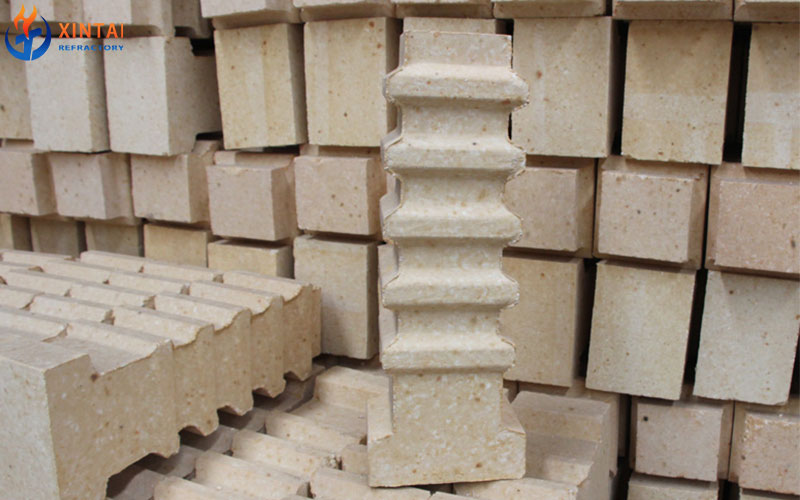
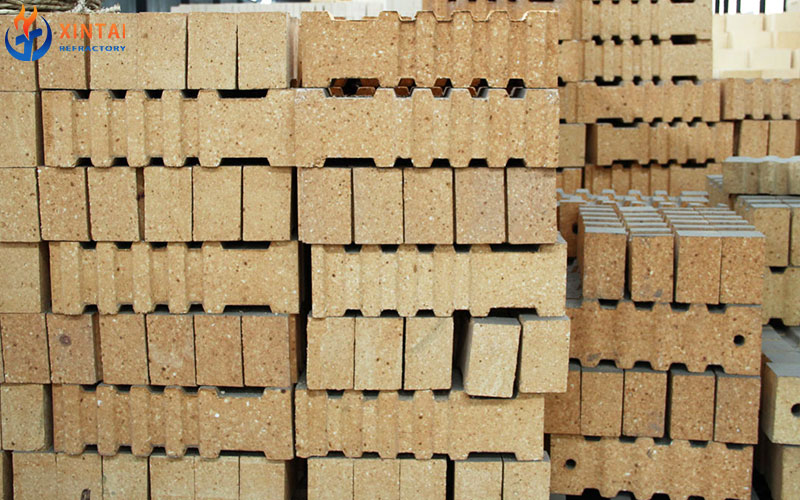
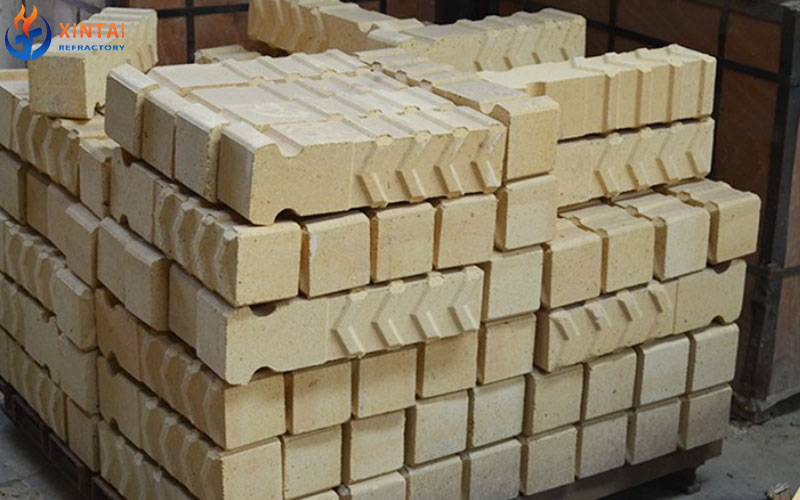
Refractory Anchor Bricks are specially designed refractory components used to fix refractory linings in industrial furnaces, kilns, and reactors. Unlike ordinary refractory bricks, anchor bricks feature unique shapes and structures, such as holes, hooks, grooves, or special protrusions, which allow them to firmly connect with refractory castables, insulation layers, or steel structures.
These bricks are usually manufactured from high-quality refractory raw materials, including high alumina, bauxite, mullite, and other heat-resistant materials. After high-temperature firing, they obtain excellent mechanical strength, thermal stability, and resistance to chemical attack.
Depending on different working conditions, refractory anchor bricks can be produced with various alumina contents and performance grades. High alumina anchor bricks with Al₂O₃ content ranging from 55% to over 80% are commonly used in high-temperature areas requiring superior wear resistance and corrosion resistance.
Main Functions of Refractory Anchor Bricks
1. Supporting and Fixing Refractory Linings
The primary function of refractory anchor bricks is to provide mechanical support for furnace linings. During furnace operation, refractory materials are exposed to high temperatures, gas flow impact, vibration, and thermal expansion. Without proper reinforcement, refractory linings may gradually loosen, crack, or even collapse.
Refractory Anchor Bricks create a strong connection between the lining system and the furnace structure. Their special shapes allow refractory castables and bricks to lock together effectively, improving the overall stability of the lining.
In large industrial equipment such as cement kilns and steel furnaces, anchor bricks help distribute the weight and stress of refractory materials evenly, preventing local damage caused by uneven force.
2. Preventing Refractory Lining Falling and Deformation
One of the biggest challenges in high-temperature furnaces is maintaining the position of refractory materials during long-term operation. Continuous thermal expansion and contraction can weaken the connection between refractory layers and furnace walls.
Refractory Anchor Bricks act as a reinforcement system that prevents refractory linings from moving or separating from the furnace shell. Their anchoring structure improves the bonding strength between different layers, reducing the risk of:
- Refractory brick displacement
- Castable peeling
- Furnace roof collapse
- Lining deformation
This function is particularly important in vertical furnaces, furnace roofs, and areas exposed to strong vibration or airflow.
3. Improving High-Temperature Stability
Industrial furnaces often operate at temperatures above 1000°C, and some applications require continuous operation at temperatures exceeding 1700°C. Ordinary structural materials cannot withstand such extreme environments.
Refractory Anchor Bricks are manufactured with high-temperature resistant materials such as high alumina and bauxite. They typically provide:
- Refractoriness up to 1750°C-1790°C
- Excellent load-bearing performance
- Low permanent volume change
- Strong resistance to thermal deformation
These properties ensure that anchor bricks maintain their shape and strength even under prolonged exposure to extreme heat.
As a result, they help maintain the integrity of refractory linings and improve furnace reliability.
4. Enhancing Thermal Shock Resistance
Thermal shock is a common problem in industrial furnaces. During startup, shutdown, or production changes, furnace temperatures may rise or fall rapidly. These temperature fluctuations generate thermal stress inside refractory materials, which can cause cracking.
High-quality refractory anchor bricks have excellent thermal shock resistance. They can withstand repeated heating and cooling cycles without significant damage.
By improving the structural strength of refractory systems, anchor bricks reduce the possibility of:
- Thermal cracks
- Surface spalling
- Structural failure
This makes them especially suitable for equipment with frequent temperature changes, such as boilers, incinerators, and heating furnaces.
5. Improving Wear Resistance in High-abrasion Areas
Many industrial furnaces are exposed to continuous material flow and particle impact. For example, cement production equipment, circulating fluidized bed boilers, and mineral processing furnaces experience severe abrasion from high-speed particles.
Refractory Anchor Bricks made from high alumina materials provide excellent wear resistance. Their dense structure helps resist:
- Material erosion
- Mechanical impact
- High-speed airflow abrasion
- Particle collision
In high-wear areas such as separators, precalciners, and combustion chambers, wear-resistant anchor bricks can significantly extend the operating period of refractory linings.
6. Protecting Furnace Structures and Reducing Heat Loss
Another important function of refractory anchor bricks is protecting the furnace body and improving thermal efficiency.
A stable refractory lining creates an effective insulation barrier between the high-temperature working area and the external furnace shell. When anchor bricks prevent lining damage and maintain proper insulation thickness, they help:
- Reduce heat loss
- Lower external shell temperature
- Improve energy efficiency
- Protect steel structures from overheating
In many industrial applications, properly installed anchor bricks can reduce heat transfer to external furnace components and improve overall operating safety.
Applications of Refractory Anchor Bricks
Cement Kilns
Cement production requires continuous operation at extremely high temperatures. Refractory Anchor Bricks are widely used in rotary kilns, preheaters, precalciners, and combustion chambers.
They help secure refractory linings, resist material abrasion, and improve the durability of high-temperature zones.
Steel Industry
Steel plants use refractory anchor bricks in blast furnaces, hot blast stoves, ladle furnaces, and heating furnaces.
They provide reliable support for refractory linings exposed to molten metal, slag erosion, thermal cycling, and mechanical stress.
Glass Manufacturing
Glass melting furnaces require stable refractory structures due to continuous exposure to high temperatures and corrosive materials.
Anchor bricks help maintain the integrity of furnace linings and extend the service life of glass furnace components.
Petrochemical Industry
Petrochemical equipment such as cracking furnaces, reformers, and gasifiers operate under severe temperature and chemical conditions.
Refractory Anchor Bricks provide strong anchoring performance and corrosion resistance, ensuring stable operation of furnace linings.
Power Generation
In boilers, incinerators, and thermal reactors, anchor bricks are used to secure insulation and refractory materials.
They improve structural stability and help maintain efficient heat management during long-term operation.
Advantages of Using High-quality Refractory Anchor Bricks
High-quality refractory anchor bricks provide several benefits for industrial furnace systems:
Longer Furnace Service Life
By preventing refractory damage and improving structural stability, anchor bricks reduce repair frequency and extend furnace operating cycles.
Lower Maintenance Costs
A stable lining system reduces unexpected shutdowns and minimizes replacement costs.
Improved Safety
Preventing refractory falling and furnace structure overheating improves workplace safety and equipment reliability.
Better Energy Efficiency
Stable refractory insulation reduces heat loss and improves energy utilization.
Customized Solutions
Manufacturers can provide customized sizes, shapes, and material grades according to different furnace designs and operating conditions.
How to Choose Suitable Refractory Anchor Bricks?
Selecting the right refractory anchor bricks requires consideration of several factors:
Operating Temperature
Higher-temperature applications require higher alumina content and better refractoriness.
Working Environment
Areas with strong abrasion or chemical corrosion require wear-resistant and corrosion-resistant materials.
Furnace Structure
The shape and size of anchor bricks should match the furnace design to ensure proper installation.
Mechanical Requirements
Applications with heavy loads or vibration require anchor bricks with higher cold crushing strength.
Professional refractory manufacturers can provide technical recommendations based on specific operating conditions.
Conclusion
Refractory Anchor Bricks play a vital role in maintaining the stability, durability, and safety of high-temperature industrial furnaces. Their main functions include supporting refractory linings, preventing lining damage, improving thermal shock resistance, enhancing wear resistance, and reducing heat loss.
With excellent high-temperature performance and strong mechanical properties, refractory anchor bricks have become indispensable components in industries such as cement, steel, glass, petrochemical, and power generation.
Choosing high-quality refractory anchor bricks and applying the correct installation methods can significantly improve furnace performance, reduce maintenance costs, and extend equipment service life. As industrial production continues to demand higher efficiency and reliability, refractory anchor bricks will remain an important solution for modern high-temperature applications.