
Coke plants are an essential part of the metallurgical industry, mainly responsible for producing coke through the high-temperature carbonization of coal. The core equipment in a coke plant is the coke oven, which operates under extremely demanding conditions, including high temperatures, thermal cycling, mechanical stress, and chemical corrosion. To ensure long-term operation and stable production, coke ovens require high-quality refractory linings made from carefully selected refractory bricks.
The working temperature inside coke ovens is generally between 1000°C and 1300°C. However, different sections of the coke oven experience different thermal conditions, gas atmospheres, and mechanical loads. Therefore, various types of refractory bricks are used in different areas, including silica bricks, high alumina bricks, fire clay bricks, insulation bricks, and cordierite bricks.
Selecting suitable refractory materials for each part of a coke plant is critical for improving furnace life, reducing maintenance costs, and ensuring efficient coke production. This article provides a detailed overview of the main refractory bricks used in coke plants and their applications in different coke oven areas.
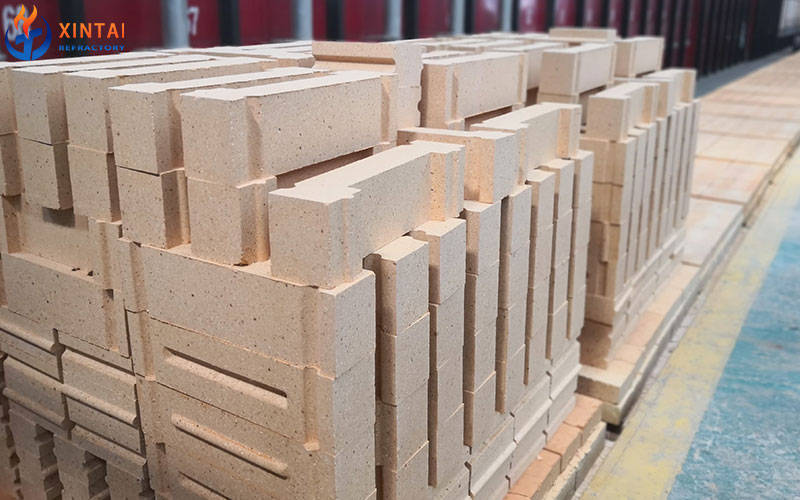
Main Areas Where Refractory Bricks Are Used in Coke Plants
A coke oven is a complex industrial furnace structure consisting of several important sections, such as the oven roof, combustion chamber, carbonization chamber, regenerator, checker brick area, flue system, chimney, and oven doors. Each part requires refractory bricks with specific properties to withstand different operating environments.
The most commonly used refractory bricks in coke plants include:
- Silica bricks
- High alumina bricks
- Fire clay bricks
- Insulating refractory bricks
- Cordierite bricks
Each type of refractory material has unique advantages and is selected according to temperature resistance, thermal stability, corrosion resistance, and mechanical strength requirements.
1. Refractory Bricks Used in Coke Oven Roof and Oven Doors
The oven roof and oven doors are important structural components of coke ovens. These areas generally require good thermal insulation performance while maintaining sufficient structural stability. Since excessive weight can increase structural stress and energy consumption, lightweight refractory materials are often preferred.
Fire Clay Bricks
Fire clay bricks are commonly used in coke oven roofs because they offer good thermal shock resistance, stable volume performance, and reliable resistance to temperature fluctuations. They are made mainly from alumina-silica refractory materials and can maintain stable performance under repeated heating and cooling cycles.
The advantages of fire clay bricks include:
- Good thermal stability
- Moderate high-temperature resistance
- Good resistance to temperature changes
- Cost-effectiveness
Insulating Refractory Bricks
Insulating bricks are widely used in roof structures to reduce heat loss and improve energy efficiency. Their low thermal conductivity helps maintain furnace temperature while reducing fuel consumption.
The main benefits include:
- Excellent insulation performance
- Lightweight structure
- Reduced heat transfer
- Improved energy efficiency
Cordierite Bricks
In some oven door areas, cordierite bricks are also applied because of their excellent thermal shock resistance. Coke ovens experience frequent opening and closing operations, causing rapid temperature changes. Cordierite refractory materials can better withstand these thermal stresses and improve service life.
2. Refractory Bricks Used in Combustion Chambers and Carbonization Chambers
The combustion chamber and carbonization chamber are the most important working areas of a coke oven. These sections directly affect coke quality and production efficiency.
During operation, temperatures in these areas can reach approximately 1300°C. The refractory lining must withstand:
- High temperatures
- Mechanical pressure
- Thermal expansion and contraction
- Gas erosion
- Long-term operation
Silica Bricks
Silica bricks are the primary refractory materials used in coke oven combustion chambers and carbonization chambers. They are especially suitable for high-temperature zones because of their excellent high-temperature strength and volume stability.
Key properties of silica bricks include:
- High refractoriness
- Excellent resistance to deformation at high temperatures
- Good thermal conductivity
- Stable performance during long-term heating
Silica bricks are widely considered the most important refractory material for modern coke ovens.
High Alumina Bricks
High alumina bricks are mainly used in specific areas such as combustion chamber heads and carbonization chamber bottom sections.
Compared with ordinary fire clay bricks, high alumina bricks contain higher alumina content, providing:
- Higher temperature resistance
- Better mechanical strength
- Improved corrosion resistance
- Better wear resistance
They are suitable for areas exposed to greater mechanical stress or chemical attack.
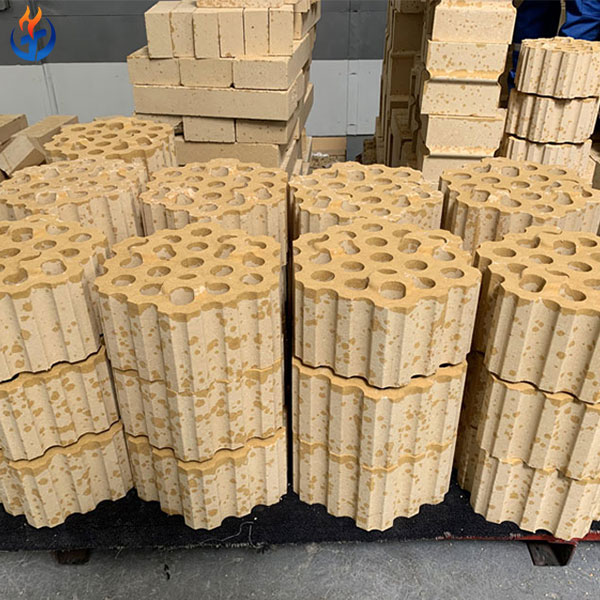
3. Refractory Bricks Used in Coke Oven Regenerators
The regenerator is designed to recover heat from high-temperature exhaust gases and use this recovered heat to preheat combustion air or gas. It plays an important role in improving the energy efficiency of coke ovens.
Because regenerators experience frequent temperature changes, refractory materials must have excellent thermal shock resistance.
Fire Clay Bricks
Fire clay bricks are commonly used in regenerators because they provide reliable performance under repeated heating and cooling conditions.
Their advantages include:
- Good thermal shock resistance
- Stable physical properties
- Suitable heat resistance
- Economic efficiency
Insulating Bricks
Insulating bricks are also used in regenerators to reduce heat loss and improve thermal efficiency. They help maintain stable operating temperatures and reduce energy consumption.
4. Refractory Bricks Used in Checker Brick Areas and Inclined Channels
The inclined channel area connects the combustion chamber and regenerator. It is an important passage for gas flow and heat exchange.
The operating temperature in this section is usually around 1000°C to 1200°C. Due to continuous exposure to hot gases, refractory bricks need excellent resistance to thermal stress and erosion.
Silica Bricks
Silica bricks are commonly used in inclined channels because they provide:
- High-temperature resistance
- Good structural strength
- Stable volume performance
- Resistance to gas erosion
Their ability to maintain strength under high temperatures makes them suitable for this critical connection area.
5. Refractory Bricks Used in Flues and Chimneys
The flue and chimney systems are responsible for removing combustion gases from the coke oven. These areas are exposed to high-temperature gases and chemical substances for long periods.
The refractory lining must resist:
- Gas erosion
- Thermal shock
- High-temperature corrosion
- Mechanical wear
Silica Bricks
Silica bricks are widely used in high-temperature flue areas because of their excellent heat resistance and high-temperature strength.
Fire Clay Bricks
Fire clay bricks are also commonly applied because they provide balanced performance and economical solutions for areas with relatively lower temperature requirements.
Common Types of Refractory Bricks Used in Coke Plants
1. Silica Bricks
Silica bricks are the most widely used refractory materials in coke ovens, especially in combustion chambers, carbonization chambers, and high-temperature areas.
Main features:
- Working temperature above 1200°C
- Excellent high-temperature strength
- Good volume stability
- Strong resistance to deformation
They are essential materials for large modern coke ovens.
2. High Alumina Bricks
High alumina bricks contain higher alumina content than traditional fire clay bricks and provide improved performance.
Advantages:
- Higher refractoriness
- Strong wear resistance
- Better corrosion resistance
- High mechanical strength
They are commonly used in areas requiring enhanced durability.
3. Fire Clay Bricks
Fire clay bricks are traditional refractory materials widely used in coke plants.
Advantages:
- Good thermal shock resistance
- Stable performance
- Reasonable cost
- Easy installation
They are often applied in auxiliary areas such as roofs, regenerators, and flue systems.
4. Insulating Bricks
Insulating refractory bricks are designed mainly for heat preservation.
Advantages:
- Low thermal conductivity
- Lightweight design
- Reduced heat loss
- Improved energy efficiency
They are commonly installed behind working refractory layers.
5. Cordierite Bricks
Cordierite bricks are known for excellent resistance to thermal shock.
Advantages:
- Low thermal expansion
- Good temperature cycling resistance
- Stable performance under rapid heating and cooling
They are suitable for areas such as coke oven doors and components exposed to frequent temperature changes.
How to Choose the Right Refractory Bricks for Coke Plants
Choosing refractory bricks for coke ovens requires consideration of multiple factors:
Operating Temperature
Different sections of coke ovens operate at different temperatures. High-temperature areas require silica bricks or high alumina bricks, while insulation areas may use lightweight refractory materials.
Thermal Shock Resistance
Frequent temperature changes can cause cracking and structural failure. Materials with good thermal shock resistance, such as cordierite bricks and fire clay bricks, are preferred in areas with rapid temperature fluctuations.
Chemical Corrosion Resistance
Coke oven gases contain various chemical components that may attack refractory materials. The refractory lining must have strong resistance to chemical erosion.
Mechanical Strength
Areas exposed to pressure, abrasion, and mechanical impact require refractory bricks with high compressive strength and wear resistance.
Conclusion
Refractory bricks are essential components of coke plants, directly affecting furnace performance, energy efficiency, and service life. Since different sections of coke ovens face different working conditions, no single refractory material can meet all requirements.
Silica bricks are mainly used in high-temperature combustion chambers and carbonization chambers, high alumina bricks are applied in areas requiring stronger wear and corrosion resistance, fire clay bricks provide reliable performance in general areas, insulating bricks improve energy efficiency, and cordierite bricks help withstand thermal shock.
By selecting suitable refractory materials according to operating conditions, coke plant operators can improve furnace durability, reduce maintenance frequency, and achieve more stable and efficient production. For coke oven construction and repair projects, professional refractory brick manufacturers can provide customized solutions based on furnace design, temperature conditions, and industrial requirements.