
Refractory materials are essential in industries that deal with high-temperature processes. These materials are designed to withstand extreme temperatures without losing their structural integrity. Here, we will dive deeper into the common types of refractory materials and their applications.
1. Refractory Bricks
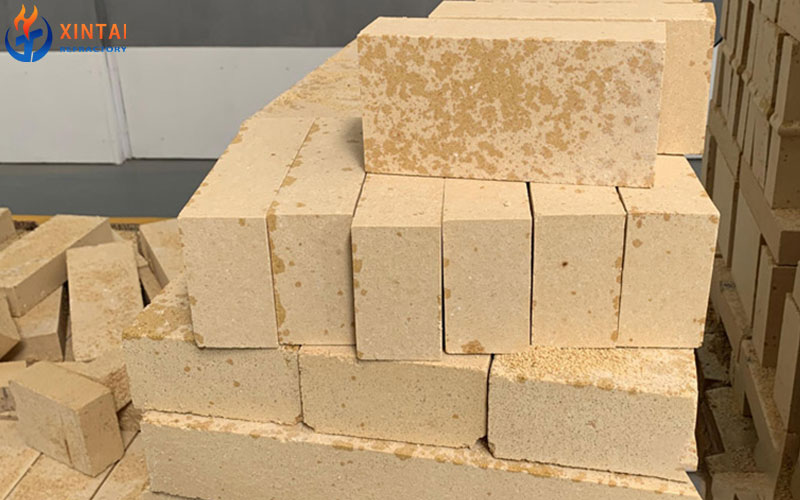
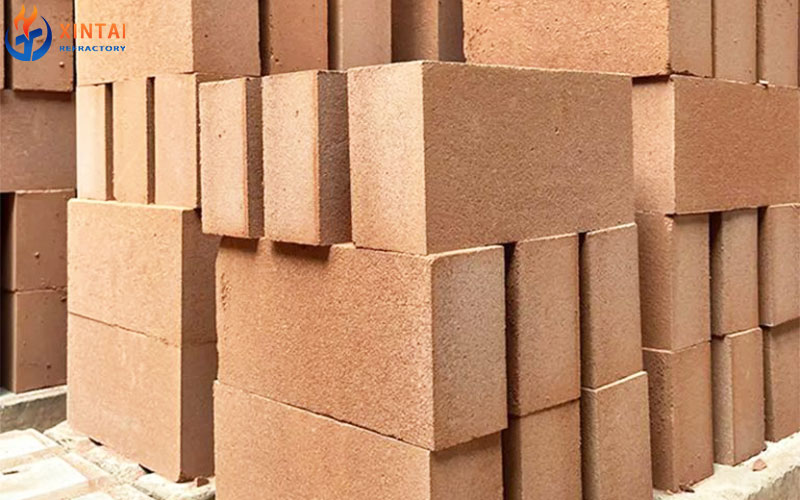
Refractory bricks, also known as fire bricks, are perhaps the most well-known and widely used refractory materials. They are designed to withstand high temperatures while maintaining their shape and structure. Refractory bricks are typically made from alumina, silica, or magnesia and are used to line furnaces, kilns, and chimneys. Their main advantage lies in their ability to resist thermal shock, making them ideal for applications where rapid temperature changes occur. These bricks are commonly used in the steel, cement, glass, and ceramic industries.
2. Refractory Castables
Refractory castables are a mixture of refractory aggregates, bonding agents, and additives, which can be poured or cast into molds. Unlike refractory bricks, castables are more flexible and can be used for lining irregularly shaped or complex equipment such as rotary kilns, furnaces, and reactors. The key advantage of castables is their ability to be formed on-site, eliminating the need for pre-formed bricks. They are often used in the metal and cement industries where custom shapes are required.
3. Refractory Cement
Refractory cement, also known as fireproof or high-temperature cement, is designed to withstand high heat and corrosive environments. It is typically used to seal joints, fill gaps, or repair damaged areas in high-temperature equipment. Refractory cement is used extensively in furnaces, kilns, and boilers, as well as for construction of refractory linings. The cement is formulated with special ingredients such as calcium aluminate, making it heat-resistant and capable of withstanding high-temperature processes.
4. Composite Refractory Materials
Composite refractories are designed to combine different types of refractory materials to achieve enhanced properties. These materials are created by incorporating additives, binders, or other materials that improve the material’s resistance to thermal shock, corrosion, and wear. Composite refractories are often used in industries with highly demanding thermal conditions, such as metallurgy, petrochemicals, and cement plants. They are designed for specialized applications where traditional refractories may not provide sufficient performance.
Conclusion
Each type of refractory material has its own unique characteristics, making them suitable for specific high-temperature applications. Whether you need the durability of refractory bricks for a kiln lining or the flexibility of refractory castables for custom-shaped components, choosing the right material is essential for ensuring efficiency, safety, and longevity in high-temperature processes. Understanding the different types of refractories and their advantages helps industries select the appropriate materials for their specific needs.