
The cement industry is one of the most energy-intensive and demanding sectors in the global manufacturing landscape. To ensure efficient operations, long-lasting equipment, and reduced maintenance costs, cement plants rely heavily on advanced materials capable of withstanding high temperatures, chemical erosion, and mechanical stress. Among these materials, refractory castables have emerged as a critical component, providing durable and versatile solutions for various cement kiln applications.
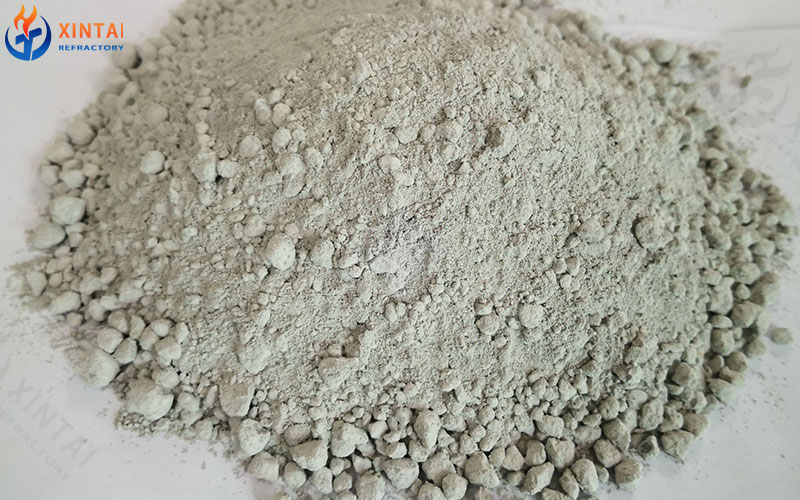
Understanding Refractory Castables
Refractory castables, also known as monolithic refractories, are a type of unshaped refractory material that can be cast, poured, or gunned into place. Unlike traditional shaped refractory bricks, castables can conform to complex shapes and irregular geometries, offering flexibility in kiln lining design. They are composed of a mixture of high-quality refractory aggregates, binders, additives, and water. Upon curing and firing, these materials form a dense, strong, and heat-resistant lining capable of withstanding the harsh conditions inside cement kilns.
There are several types of refractory castables for cement kilns, including high-alumina castables, ultra-low cement castables, calcium aluminate castables, and special high-strength formulations. Each type is tailored to meet the specific thermal, chemical, and mechanical requirements of different zones within a cement kiln.
The Role of Refractory Castables in Cement Kilns
Cement kilns operate at extremely high temperatures, often exceeding 1,450°C in the burning zone. They are subject to thermal shock, chemical corrosion from raw materials, slag, and clinker, and mechanical wear caused by the constant movement of solids. In this environment, the performance of refractory linings directly impacts the efficiency, safety, and lifespan of the kiln.
Refractory castables are preferred in cement kilns for several reasons:
- Thermal Resistance: Castables are formulated to endure extreme temperatures while maintaining their structural integrity. High-alumina and specialty castables can resist prolonged exposure to heat without spalling or cracking.
- Mechanical Strength: The high compressive and abrasion-resistant properties of castables allow them to withstand the mechanical stresses caused by material handling and rotation of the kiln. High-strength castables are particularly essential in areas such as kiln discharge and burning zones.
- Chemical Resistance: Cement kiln linings face corrosive attacks from lime, alkalis, sulfates, and other chemical compounds. Refractory castables can be engineered to resist these aggressive chemicals, extending service life.
- Ease of Installation: Monolithic refractories like castables can be applied with minimal joints, reducing weak points where thermal or chemical damage may occur. This flexibility is particularly beneficial in retrofitting or repairing existing kilns.
- Cost Efficiency: The adaptability of castables reduces downtime during maintenance and simplifies installation, leading to lower overall operational costs compared to traditional brick linings.
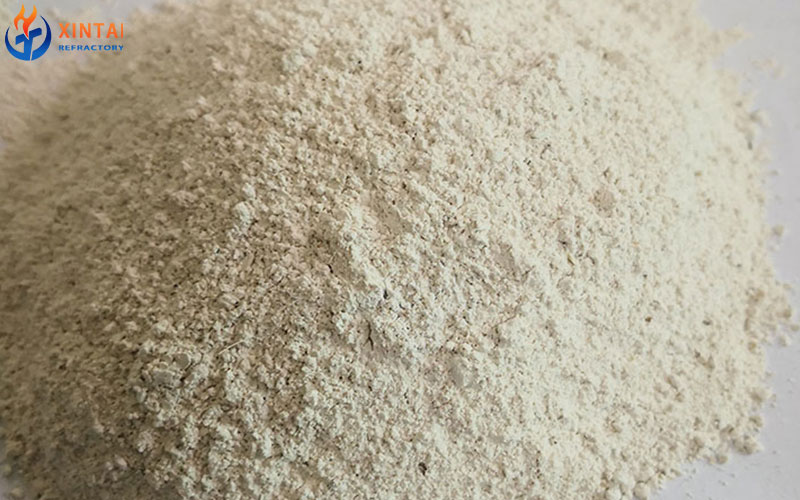
Types of Refractory Castables Used in Cement Industry
The cement industry employs a wide range of refractory castables, each with properties optimized for specific kiln zones:
1. High-Alumina Castables
High-alumina castables are enriched with alumina content ranging from 45% to over 90%, providing excellent resistance to heat and chemical attack. These castables are ideal for the burning zone of cement kilns, where temperatures peak and exposure to molten clinker is most severe.
2. Ultra-Low Cement Castables (ULCC)
ULCCs contain minimal amounts of calcium aluminate cement as a binder, which reduces the potential for chemical reactions with clinker or other materials. ULCCs exhibit superior refractory strength, thermal shock resistance, and long-term durability, making them suitable for critical areas like preheater ducts and riser ducts.
3. Calcium Aluminate Castables
These castables are often used in moderate-temperature zones of cement kilns. They provide a balance between mechanical strength, chemical stability, and cost-effectiveness. Their rapid setting properties also allow for faster kiln maintenance and reduced downtime.
4. Special High-Strength Castables
For highly abrasive zones, such as kiln discharge areas, special high-strength castables with tailored aggregate sizes and enhanced bonding properties are employed. These materials resist both mechanical wear and thermal degradation, extending lining life and improving kiln efficiency.
Advantages of Using Refractory Castables in Cement Industry
Implementing refractory castables in cement kilns offers several operational and economic benefits:
- Longevity: Properly selected and installed castables significantly increase kiln lining service life. Some high-strength castables can endure several years of continuous operation before requiring replacement.
- Reduced Maintenance: Monolithic linings minimize joints, which are common failure points in traditional brick linings. This reduces maintenance frequency and associated downtime.
- Energy Efficiency: Improved thermal insulation from castable linings reduces heat loss, leading to energy savings and more stable kiln temperatures.
- Flexibility in Design: Castables allow precise adaptation to complex shapes and irregular kiln geometries, which is challenging with rigid bricks.
- Environmental Benefits: Longer-lasting linings and reduced maintenance minimize material waste and the environmental impact of refractory replacements.
Installation Techniques for Refractory Castables
The performance of refractory castables depends not only on material composition but also on proper installation techniques. Key steps include:
- Surface Preparation: Clean and roughen the substrate to ensure strong adhesion of the castable material.
- Mixing: Use precise water-to-castable ratios to achieve optimal workability and strength. Automated mixers can ensure uniformity and reduce human error.
- Application: Castables can be dry-pressed, gunned, or poured, depending on the zone and required density. Proper vibration or tamping ensures compaction and minimizes voids.
- Curing: Gradual curing is essential to avoid thermal shock. Controlled drying prevents cracking and ensures optimal final strength.
- Dry-Out: A slow and controlled heating process removes residual moisture and prepares the lining for service conditions.
Proper installation, combined with the right selection of castable type, maximizes the performance and lifespan of cement kiln linings.
Challenges and Considerations
While refractory castables offer many benefits, cement plant engineers must address several challenges:
- Thermal Shock: Rapid temperature fluctuations can cause cracking. Selecting castables with high thermal shock resistance is crucial.
- Chemical Attack: Sulfates, alkalis, and molten clinker can degrade some castables. Specialized formulations mitigate these risks.
- Installation Quality: Poor compaction, mixing, or curing can compromise lining integrity. Skilled labor and precise procedures are essential.
- Cost vs. Performance: High-performance castables are more expensive, but their longevity and reduced maintenance justify the investment.
Conclusion
In the cement industry, refractory castables play a pivotal role in ensuring the durability, efficiency, and safety of kiln operations. Their versatility allows adaptation to various kiln zones, while their high thermal and mechanical resistance ensures long service life under extreme conditions. By choosing the right type of castable—whether high-alumina, ultra-low cement, calcium aluminate, or high-strength formulations—cement plants can achieve optimal performance, reduce maintenance costs, and enhance overall operational efficiency.
Investing in quality refractory castables is not just about protecting equipment; it is a strategic move toward sustainable, efficient, and profitable cement production. As technologies continue to evolve, the future of cement kiln linings will rely heavily on innovative monolithic refractories that meet both environmental and operational demands.