
Refractory materials play a crucial role in ensuring the efficiency, longevity, and safety of cement rotary kilns. The choice of materials depends heavily on the structural characteristics of the kiln, operational conditions, and exposure to high temperatures and chemical corrosion. In this article, we will explore the commonly used refractory materials in cement rotary kilns, their types, and their specific applications within different kiln sections. This will provide valuable guidance for professionals in the refractory industry and cement manufacturing sector when selecting suitable materials for various kiln components.
Understanding the Role of Refractory Materials in Rotary Kilns
Cement rotary kilns are exposed to extremely high temperatures, mechanical stress, chemical corrosion, and abrasive wear. The refractory lining acts as the kiln’s protective barrier, preventing heat loss, protecting the steel shell from damage, and maintaining process efficiency. The proper selection of refractory materials directly impacts the kiln’s lifespan, maintenance frequency, and operational cost.
The main categories of refractory materials used in cement rotary kilns include brick-based materials, castable refractory materials, and insulating refractory materials. Each category has distinct properties, such as thermal stability, mechanical strength, and chemical resistance, which make them suitable for specific sections of the kiln.
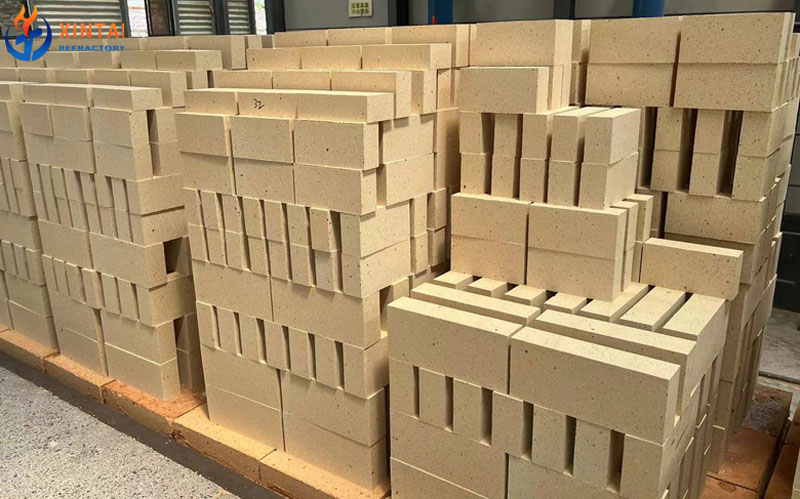
1. Alumino-Silicate Brick Series
Alumino-silicate bricks are among the most widely used refractory bricks in cement rotary kilns. These bricks are primarily composed of high-alumina and silica minerals, which give them excellent thermal stability and resistance to chemical corrosion. They are commonly applied in preheating systems, kiln doors, coolers, tertiary air ducts, and burners, except for the high-temperature zones in the transition and firing areas.
Subtypes of Alumino-Silicate Bricks
- Alkali-Resistant Bricks: These bricks are designed to resist alkali attack from materials such as sodium and potassium compounds present in cement clinker. They are highly durable under chemical erosion and maintain structural integrity under moderate mechanical stress.
- High-Alumina (Anti-Spalling) Bricks: These bricks feature a high percentage of alumina content, which improves resistance to spalling at high temperatures. They are particularly suitable for areas where mechanical stresses and temperature fluctuations are frequent.
- Silico-Mullite Bricks: These bricks combine silica and mullite phases to enhance thermal shock resistance and chemical durability. They are often used in areas where both mechanical abrasion and high-temperature stability are required.
The alumino-silicate brick series is highly versatile, making it suitable for nearly all sections of the kiln except for areas subjected to extreme chemical or thermal loads.
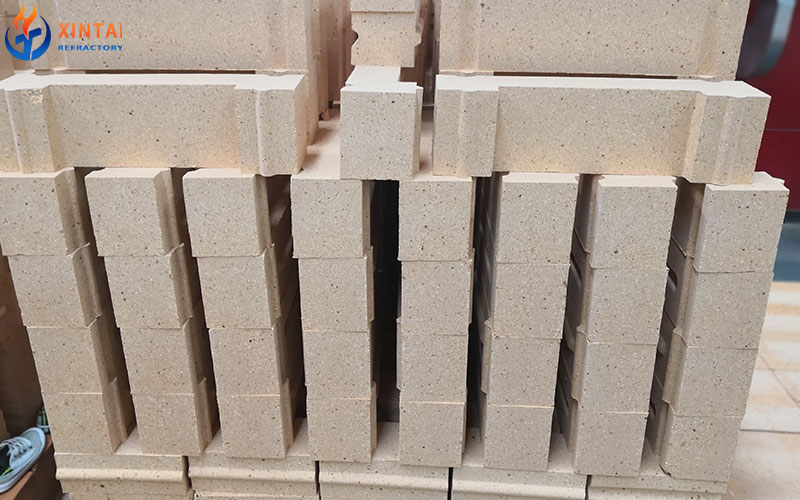
2. Basic Refractory Bricks
Basic refractory bricks, primarily composed of magnesia, spinel, or dolomite, are used in the kiln’s transition zone and firing zone. These zones experience the highest operational temperatures, sometimes exceeding 2000°C, and must withstand chemical corrosion from sulfur and alkali compounds in addition to mechanical stress from clinker movement.
Key Applications and Requirements
- Transition Zone: The upper transition area, near the firing zone, must resist chemical infiltration from molten clinker, rapid temperature changes, and mechanical stress caused by kiln shell deformation. Basic refractory bricks, with their strong resistance to alkali and slag, are ideal for these conditions.
- Firing Zone: This is the most critical part of the rotary kiln lining. It requires materials capable of enduring extreme temperatures, chemical infiltration, and thermal shock. Basic bricks are favored here due to their high melting point and excellent durability under harsh conditions.
By selecting the right basic refractory bricks, kiln operators can significantly reduce maintenance frequency and prevent premature lining failure.
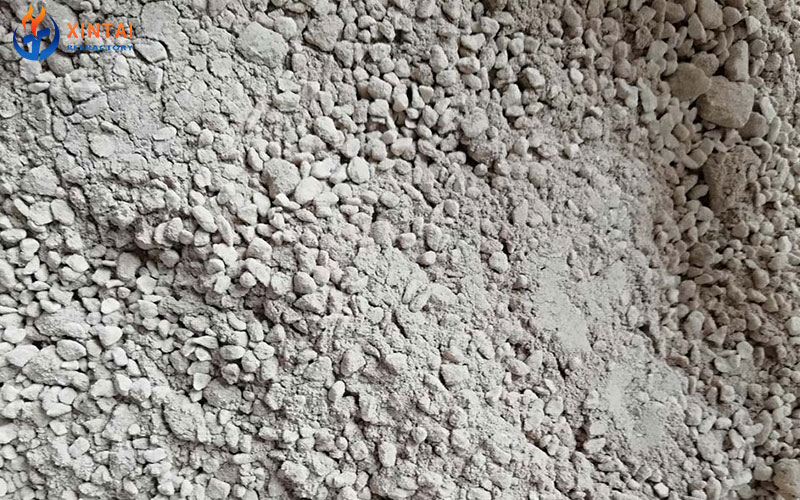
3. Castable Refractory Materials
Refractory castables, also known as unshaped refractories, are made from a mixture of refractory aggregates, binders, and additives. They offer the advantage of being poured into complex shapes or repaired in situ, making them highly adaptable to various kiln components.
Types of Castables
- High-Alumina Low-Cement Castables: These castables are widely used in kiln doors, cooler top linings, and other areas requiring thermal stability and abrasion resistance. Their low cement content reduces the risk of dehydration and spalling at high temperatures.
- Mullite Castables: Known for their high thermal shock resistance and chemical durability, mullite castables are commonly applied in kiln crowns, cooler roofs, and tertiary air ducts.
- Alkali-Resistant Castables: Used in areas exposed to molten alkali-bearing materials, these castables prevent chemical erosion and maintain structural integrity under aggressive conditions.
- High-Strength Wear-Resistant Castables: These castables are typically applied in cooler short walls and high-wear zones such as the grate cooler, where the impact and abrasion from hot clinker are intense.
The flexibility of castable refractory materials allows kiln engineers to adapt lining solutions to specific operational needs while simplifying maintenance and repair.
4. Insulating Refractory Materials
Insulating refractories, also referred to as lightweight or low-density refractories, are designed primarily for thermal insulation rather than mechanical strength. They feature a high porosity, low density, and excellent heat-retaining properties.
Common Insulating Materials
- Calcium Silicate Boards: Widely used in preheater tower systems and kiln hood insulation, calcium silicate boards provide excellent thermal insulation while reducing the weight burden on kiln structures.
- Lightweight Castables: These castables combine low thermal conductivity with moderate mechanical strength, making them suitable for non-critical insulation zones inside the kiln.
- Insulating Bricks: These bricks, with high porosity, are used where thermal insulation is essential, such as kiln hood walls and non-structural linings.
- Ceramic Fiber Products: Often used as secondary insulation, ceramic fiber blankets or modules provide high-temperature insulation with minimal thickness.
The application of insulating materials ensures energy efficiency, reduces heat loss, and maintains process stability while complementing more durable refractory bricks in high-stress areas.
5. Section-Specific Refractory Material Selection
Each section of a cement rotary kiln has unique operational conditions, dictating the choice of refractory materials:
Tertiary Air Ducts
- High wear and erosion at bends and Y-shaped sections necessitate alkali-resistant, high-strength bricks, wear-resistant castables, or prefabricated blocks.
Kiln Door and Hood
- Kiln doors face mechanical stress, thermal shock, and high-temperature gas erosion. Low-cement high-alumina castables, mullite castables, phosphate-bonded high-alumina bricks, and calcium silicate boards are commonly used.
Grate Cooler Components
- The cooler is divided into quenching, heat recovery, and cooling zones. Wear-resistant castables, high-alumina bricks, and mullite castables are used for tops and roofs, while short walls may use high-strength alkali-resistant or wear-resistant castables.
Kiln Front End
- Materials such as corundum castables, mullite castables, and spinel castables are preferred for high-temperature performance. In new or less deformed kilns, wear-resistant silicon carbide bricks or high-alumina wear bricks can be used. Phosphate-bonded castables serve as emergency repair materials.
Waste Heat Power Generation System
- This system operates at temperatures up to 800°C with high-velocity dust-laden air. Refractory materials must be wear-resistant and capable of enduring high temperatures. Common materials include brown fused alumina ramming mass, wear-resistant coatings, and wear-resistant castables.
Exhaust Gas Treatment System
- Refractory selection varies depending on the type of exhaust treatment system and processed materials. Commonly used materials include high-strength alkali-resistant bricks and castables, mullite castables, corundum castables, steel fiber reinforced castables, and silicon carbide bricks.
Conclusion
Cement rotary kilns require a combination of refractory bricks, castable refractories, and insulating materials to maintain operational efficiency and longevity. Understanding the physical and chemical properties of each material type is essential for proper selection. Alumino-silicate bricks offer versatility across preheater and cooler systems, basic refractory bricks withstand extreme heat and chemical stress in transition and firing zones, castables provide adaptable solutions for complex shapes, and insulating materials improve energy efficiency while protecting kiln structures.
By strategically applying the appropriate refractory materials to each kiln section, operators can ensure maximum service life, optimal thermal efficiency, and minimal maintenance costs. Knowledge of these materials allows for informed decision-making, improving both kiln performance and overall cement production reliability.