
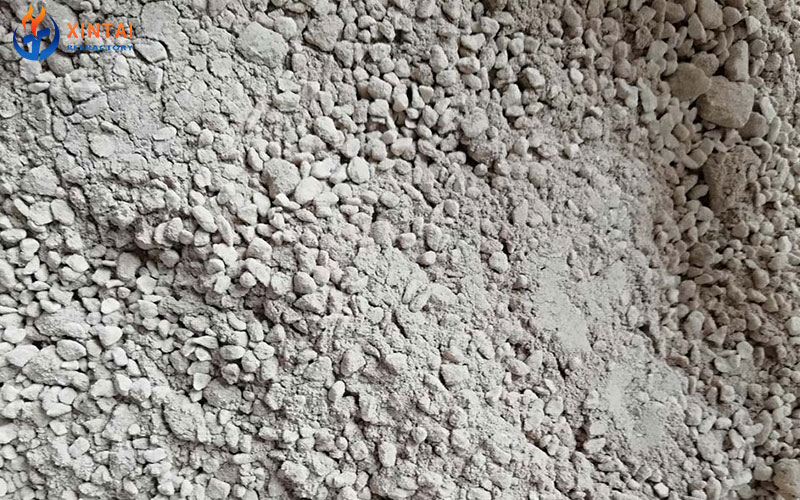
Choosing the best castable refractory cement is essential when constructing or repairing equipment exposed to high temperatures. The right refractory cement can improve thermal stability, mechanical strength, service life, and resistance to chemical attack. However, there is no single product that is suitable for every application. Different furnaces, boilers, kilns, ladles, and industrial heating systems require different levels of temperature resistance and performance.
For industrial buyers, understanding the main factors behind refractory cement selection can make it easier to match the material with the operating environment. This article explains what to consider when selecting the best castable refractory cement for demanding industrial applications.
Key Factors for Choosing the Best Castable Refractory Cement
1. Operating Temperature
Temperature is one of the first specifications to evaluate. A refractory cement must maintain its structural integrity under the actual operating temperature of the equipment.
For moderate-temperature applications, a standard refractory cement may provide sufficient performance. Higher-temperature environments generally require cement and castable systems with higher alumina content and improved thermal stability.
The selected material should be based on the normal working temperature as well as possible temperature peaks. Continuous exposure to temperatures close to the material’s upper limit can significantly reduce service life.
2. Alumina Content
Alumina content is an important indicator when evaluating high-temperature refractory materials. Higher-alumina cement generally offers improved refractoriness and resistance to severe thermal conditions.
Different grades can be used for different applications. For example, high-alumina refractory cement is commonly selected for furnace linings, industrial boilers, kilns, and other equipment requiring enhanced resistance to high temperatures.
When comparing products, buyers should check the actual chemical composition rather than selecting a material based only on a product name.
3. Mechanical Strength
A refractory lining must withstand more than heat. It can also be exposed to mechanical impact, vibration, abrasion, thermal cycling, and pressure.
Cold crushing strength and other mechanical properties can help indicate how well a castable system may perform after curing and firing. For areas exposed to material movement or mechanical wear, a stronger refractory system may provide better long-term performance.
The cement should therefore be selected together with aggregates and additives that are appropriate for the intended service conditions.
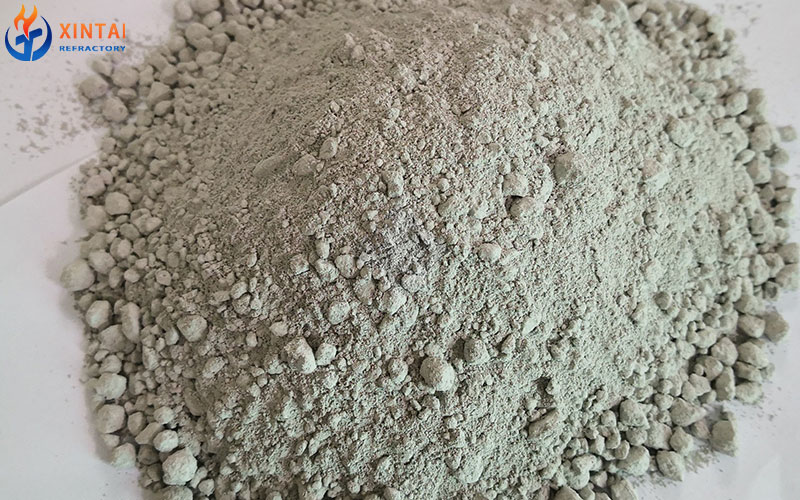
Types of Castable Refractory Cement
Different refractory cement formulations are available for specific performance requirements.
High-Alumina Refractory Cement
High-alumina refractory cement is widely used when high refractoriness and thermal stability are required. It can be used as a binder for conventional castables, low-cement castables, heat-resistant concrete, and various industrial refractory products.
It is suitable for applications such as industrial furnaces, boilers, kilns, ladles, and other high-temperature equipment.
Low-Cement Castable Systems
Low-cement castables use a reduced amount of cement while optimizing particle packing and incorporating suitable additives. They can provide high density, good mechanical strength, and improved resistance to thermal and chemical attack.
These systems are often considered for demanding furnace linings where conventional castables may not provide sufficient durability.
Conventional Castables
Conventional castables are relatively straightforward to mix and install. They can be used for general furnace construction, maintenance, repairs, and heat-resistant structures.
For less severe operating conditions, conventional castables can provide a practical balance between performance, installation requirements, and cost.
Where Is Castable Refractory Cement Used?
Castable refractory cement has a wide range of industrial applications.
In steelmaking, refractory castables are used in furnaces, ladles, tundish systems, and other high-temperature equipment. Materials must withstand thermal shock, molten metal exposure, abrasion, and chemical attack.
In boilers, castable refractory cement can be used for refractory linings, burner areas, furnace chambers, and repair sections. The selected material should match the boiler’s operating temperature and exposure to combustion gases.
In cement and lime plants, refractory castables may be used in kiln-related equipment and areas exposed to high temperatures, abrasion, and chemical reactions.
Other applications include foundries, incinerators, heat-treatment furnaces, industrial heaters, chimneys, and thermal processing equipment.
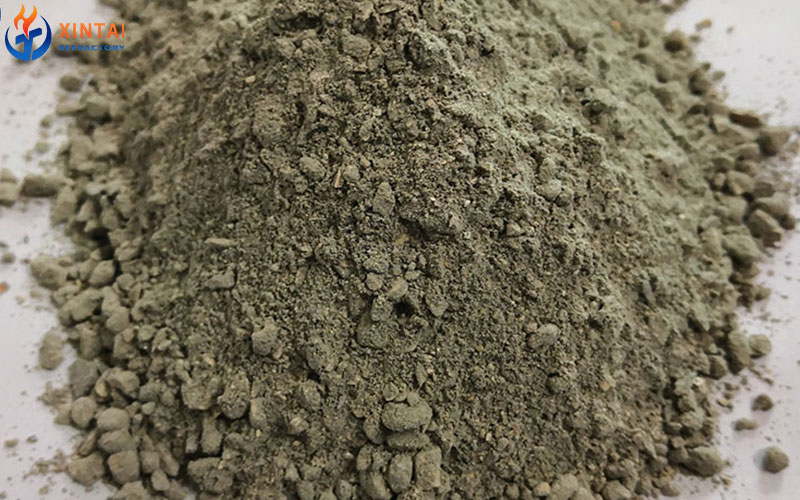
Installation Matters as Much as Material Selection
Even the best castable refractory cement can perform poorly if it is incorrectly installed. The correct water-to-cement ratio is particularly important. Adding excessive water may make installation easier, but it can increase porosity and reduce final strength.
Mixing should be performed according to the manufacturer’s technical instructions. After casting, sufficient curing time is required before controlled drying and heating.
Dry-out is another critical stage. Rapid heating can cause internal steam pressure, cracking, or explosive spalling. A controlled heating schedule allows free water and chemically bound moisture to escape gradually.
Proper surface preparation, mixing, vibration, curing, and dry-out can significantly influence the service life of the finished refractory lining.
How to Select the Right Supplier
When sourcing refractory cement for industrial projects, buyers should evaluate more than price. A reliable supplier should be able to provide technical data covering chemical composition, application temperature, setting characteristics, strength, and recommended installation procedures.
For customized projects, it is also useful to provide information such as equipment type, working temperature, lining thickness, installation method, fuel type, chemical environment, and expected service conditions.
This information allows the manufacturer to recommend a suitable cement grade or complete castable formulation instead of simply offering a standard material.
Conclusion
The best castable refractory cement depends on the specific operating conditions of the application. Temperature, alumina content, mechanical strength, thermal shock, abrasion, chemical exposure, installation method, and service environment should all be considered before purchasing.
High-alumina refractory cement is a practical option for many demanding industrial applications, while conventional and low-cement castable systems can be selected according to performance requirements and installation conditions.
For industrial buyers, the best approach is to compare technical specifications and communicate detailed application requirements with the refractory manufacturer. A properly selected and correctly installed castable refractory system can provide reliable high-temperature protection and help extend the operating life of furnaces, boilers, kilns, and other thermal equipment.