
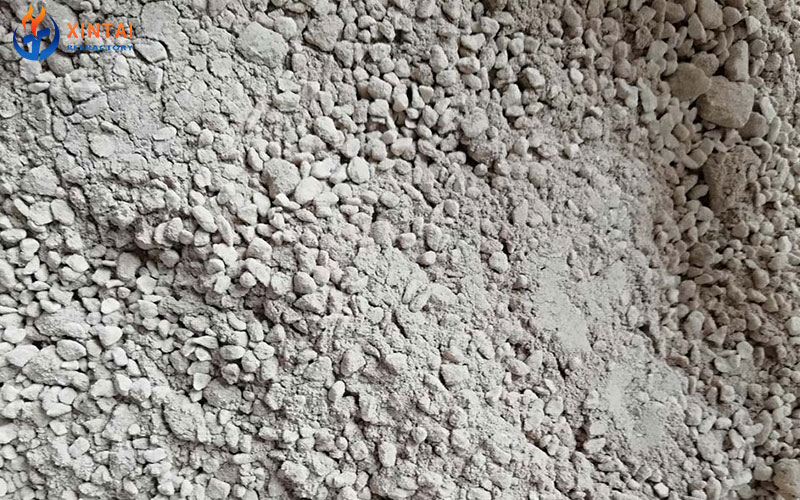
Choosing the right refractory mortar for furnace refractory brick masonry is essential for maintaining structural strength, gas tightness, thermal stability, and long-term service life. Although refractory bricks are the main load-bearing and heat-resistant components of a furnace lining, the joints between bricks can become weak points if the mortar is not properly selected or applied. Inadequate mortar may result in open joints, gas leakage, flame penetration, accelerated chemical attack, or even localized damage to the refractory lining.
For this reason, refractory mortar should not be regarded simply as a material used to fill gaps between bricks. It forms an important part of the overall refractory lining system. The correct selection should consider the type of refractory brick, operating temperature, chemical environment, thermal expansion behavior, and construction requirements.
What Is Refractory Mortar?
Refractory mortar is a heat-resistant jointing material used to bond refractory bricks and create a continuous masonry structure in furnaces, kilns, heaters, incinerators, and other high-temperature equipment. It is also commonly referred to as refractory cement, refractory jointing material, or refractory bonding mortar, depending on its composition and application.
Unlike ordinary construction mortar, refractory mortar is designed to maintain its performance under high temperatures and severe thermal conditions. Depending on the formulation, it may contain refractory aggregates and fine powders based on clay, alumina, corundum, silica, magnesia, silicon carbide, or other specialized materials.
The mortar fills the joints between refractory bricks and helps reduce gas penetration through the masonry. It also contributes to the stability of the brickwork by providing bonding between individual units.
Match the Mortar to the Refractory Brick
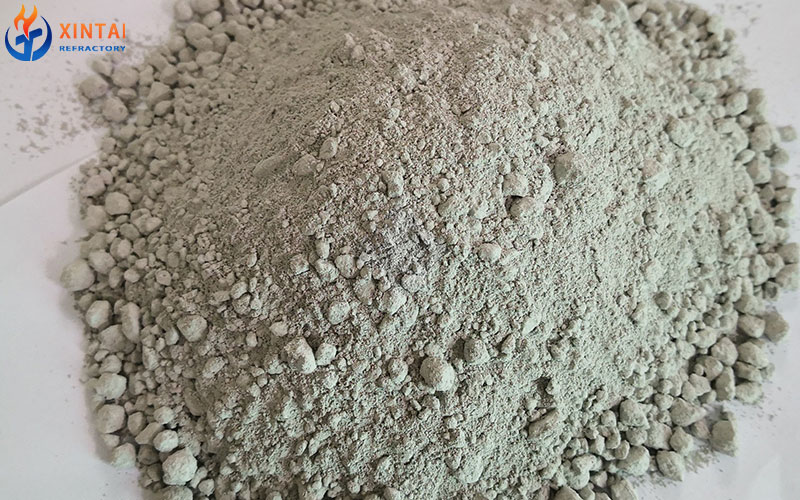
The most important principle when selecting refractory mortar is compatibility with the refractory brick. The mortar and brick should have suitable chemical and physical properties so that the joints do not become weak areas during heating and cooling.
In general, the chemical composition, refractoriness, thermal expansion characteristics, and high-temperature behavior of the mortar should be reasonably compatible with those of the refractory bricks.
For example, clay bricks and high alumina bricks should normally be installed with suitable clay-based or high-alumina refractory mortar. Using a mortar with a significantly different composition can create differences in thermal expansion or chemical stability, which may increase stress within the joints during furnace operation.
Silica bricks require silica-based mortar, while magnesia and magnesia-chrome bricks should generally be combined with magnesia-based or magnesia-chrome mortar. Corundum bricks and high-purity mullite bricks require correspondingly high-purity mortar systems.
For special refractory materials such as silicon carbide, chrome-corundum, or zircon-based bricks, a specially formulated mortar may be necessary.
Common Types of Refractory Mortar
Different furnace applications require different types of refractory mortar. Selecting the appropriate material begins with understanding the main refractory systems available.
Clay Refractory Mortar
Clay-based mortar is commonly used with fireclay and other clay-based refractory bricks. It offers suitable refractoriness and compatibility with clay refractory masonry and can be used in various furnace and kiln applications where the operating conditions are not excessively aggressive.
High Alumina Refractory Mortar
High alumina mortar contains a higher proportion of alumina-based refractory materials and is suitable for high alumina bricks. It provides good resistance to high temperatures, abrasion, and chemical attack, making it appropriate for demanding furnace environments.
Silica Refractory Mortar
Silica mortar is designed primarily for silica brick masonry. Because silica-based refractory materials have their own characteristic thermal expansion behavior, the mortar should be formulated specifically for compatibility with silica bricks rather than replaced with a general-purpose refractory mortar.
Magnesia-Based Refractory Mortar
Magnesia and magnesia-chrome mortar are used with basic refractory bricks in environments where resistance to basic slags and high temperatures is required. They are commonly considered for applications involving steelmaking and other high-temperature processes with chemically aggressive operating conditions.
Corundum and Mullite Mortar
High-purity corundum or mullite mortar is suitable for corresponding high-performance refractory bricks. These mortars are often selected where high temperature resistance, dimensional stability, and resistance to chemical attack are particularly important.
Silicon Carbide Refractory Mortar
Silicon carbide mortar or special mortar containing silicon carbide can be used with silicon carbide refractory bricks. These materials are suitable for applications requiring good thermal shock resistance, wear resistance, and resistance to certain chemical environments.
Consider Furnace Operating Conditions
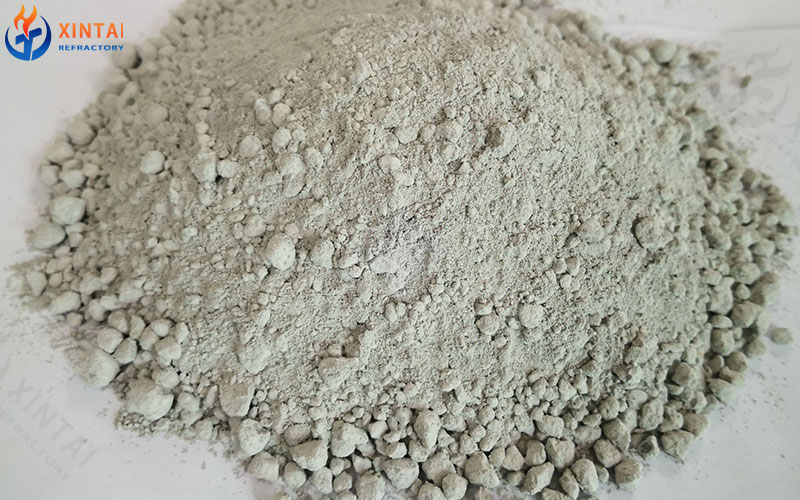
Brick composition alone is not enough to determine the best refractory mortar. The actual furnace operating conditions should also be considered.
Temperature is one of the most important factors. The selected mortar should have sufficient refractoriness for the expected operating temperature. However, maximum temperature is not the only consideration. The furnace may also experience rapid heating and cooling, temperature fluctuations, mechanical vibration, abrasion, or chemical attack.
The atmosphere inside the furnace should also be evaluated. Oxidizing, reducing, or otherwise chemically aggressive atmospheres can influence the long-term performance of refractory joints. In some applications, contact with molten materials, slag, dust, alkali compounds, or corrosive gases may require a specialized mortar formulation.
Therefore, the selection process should consider the complete operating environment rather than relying on temperature alone.
Pay Attention to Thermal Expansion
Thermal expansion compatibility is another critical factor when selecting refractory mortar. Refractory bricks expand and contract as the furnace temperature changes. If the mortar and brick have significantly different expansion characteristics, repeated heating and cooling can generate stress at the joints.
Excessive stress may cause cracking, separation, or loss of joint integrity. A compatible mortar helps the masonry accommodate thermal changes more effectively.
For this reason, refractory mortar should preferably have thermal expansion characteristics that are reasonably close to those of the refractory brick system. This is particularly important for furnaces that undergo frequent thermal cycling.
Consider Construction and Workability
Good high-temperature performance does not automatically mean that a mortar is suitable for construction. Workability is also important.
The mortar should have appropriate consistency, bonding properties, setting behavior, and spreadability for the specific masonry method. A material that is too dry may be difficult to apply evenly, while excessive moisture can affect joint quality and drying behavior.
During installation, the mortar should be distributed evenly to produce joints that are adequately filled and properly bonded. Uneven or incomplete joints can create channels for gas leakage and local stress concentration.
For some furnace structures, thin-joint masonry is required. In such cases, the mortar must be specifically designed for the required joint thickness and installation technique.
Why Matching the Manufacturer's System Matters
Whenever possible, it is advisable to use the refractory mortar recommended or supplied by the refractory brick manufacturer. Refractory products are often developed as compatible material systems rather than as completely independent products.
The manufacturer can normally provide information about the recommended mortar type, application temperature, joint thickness, mixing method, drying requirements, and other installation parameters. Following these recommendations can reduce compatibility problems and improve the reliability of the finished lining.
For specialized refractory bricks, using a generic mortar simply because it has a high rated temperature may not provide the expected performance.
Conclusion
Selecting refractory mortar for furnace refractory brick masonry requires more than simply choosing a product with a high temperature rating. The mortar should be compatible with the refractory brick in terms of chemical composition, refractoriness, thermal expansion, and high-temperature behavior.
Clay bricks generally require clay-based mortar, while high alumina, silica, magnesia, corundum, mullite, and silicon carbide bricks require corresponding compatible mortar systems. Furnace temperature, atmosphere, thermal cycling, chemical attack, abrasion, and construction conditions should also be considered.
For reliable furnace performance, the best approach is to select a compatible mortar system based on the refractory brick manufacturer’s recommendations and the actual operating conditions. Proper material selection, careful joint construction, and controlled drying and heating together help create a stable, gas-tight, and durable refractory lining.