
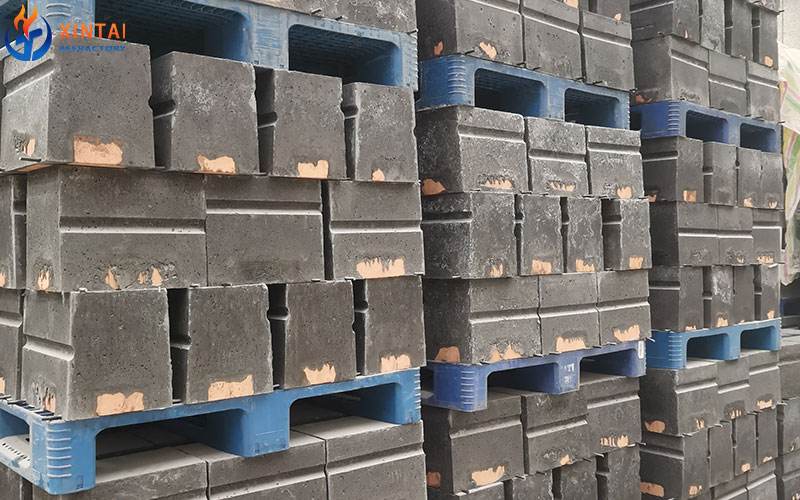
Refractory Precast Shapes are specially designed refractory components that are manufactured in advance by casting refractory materials into specific molds before being installed in high-temperature industrial equipment. Unlike traditional refractory linings that are formed directly at the construction site, precast shapes are produced under controlled factory conditions, allowing manufacturers to achieve better dimensional accuracy, consistent quality, and improved performance.
These refractory components are widely used in industries that require excellent resistance to extreme temperatures, chemical corrosion, abrasion, and mechanical stress. Applications include steel production, electric arc furnaces, kilns, boilers, foundries, aluminum processing, and other thermal processing systems.
Refractory precast shapes are commonly produced using different types of refractory castable materials, including conventional castables, low cement castables, no cement castables, insulating castables, and abrasion-resistant castables. Depending on the working environment, these products can be manufactured with different alumina contents and performance characteristics to meet specific industrial requirements.
Because of their flexibility in design and installation, refractory precast shapes have become an important solution for improving furnace efficiency, extending service life, and reducing maintenance requirements.
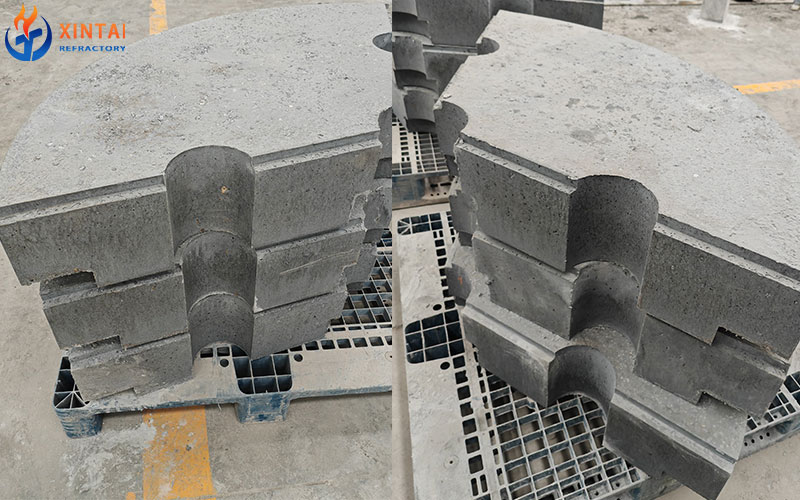
Main Types of Refractory Precast Shapes
Different industrial applications require different refractory designs. The following are some of the most common types of refractory precast shapes used in high-temperature industries.
Burner Blocks
Burner blocks are one of the most widely used types of refractory precast shapes in industrial kilns and furnaces. They are installed around burner openings to protect the surrounding refractory lining from direct flame impact, thermal shock, and high-temperature gases.
Custom kiln burner refractory blocks are designed according to the size, position, and operating conditions of burners. High-performance materials are selected to provide:
- Excellent thermal shock resistance
- High mechanical strength
- Resistance to chemical attack
- Long service life under continuous heating conditions
Burner blocks are commonly used in cement kilns, ceramic kilns, heat treatment furnaces, and industrial heating systems.
Electric Furnace Roof Shapes
Electric furnace roof components operate under extremely demanding conditions, especially in electric arc furnaces used for steel production. Precast electric furnace roof shapes are designed to withstand high temperatures, electrical arc radiation, thermal cycling, and aggressive furnace environments.
These refractory components can include roof sections, support areas, and specially shaped blocks used around furnace openings.
Advantages of electric furnace roof shapes include:
- Improved structural stability
- Reduced installation time
- Better resistance to furnace heat
- Customized designs for different furnace models
The use of precast roof components helps reduce downtime during furnace maintenance and improves overall furnace performance.
Electric Arc Furnace Tapping Spout Shapes
Electric arc furnace tapping spouts are critical components used during molten steel discharge. They must withstand direct contact with high-temperature molten metal and severe mechanical impact.
Refractory precast shapes for EAF tapping spouts are manufactured with materials that provide:
- High wear resistance
- Strong corrosion resistance
- Good thermal shock performance
- Stable performance during repeated tapping cycles
Customized designs allow tapping spout shapes to match different electric furnace structures and operating conditions.
Kiln Refractory Precast Shapes
Kiln refractory precast shapes are commonly used in high-temperature kilns across industries such as cement, ceramics, metallurgy, and chemical processing.
These components are designed to protect kiln structures from:
- High operating temperatures
- Material erosion
- Chemical reactions
- Continuous thermal expansion and contraction
Common kiln precast components include burner areas, support blocks, arch sections, and special structural parts.
Compared with traditional refractory construction methods, kiln precast shapes provide more accurate installation and consistent quality.
Lintel Blocks
Lintel blocks are horizontal refractory components used above openings in furnaces, kilns, and combustion chambers. They provide structural support while maintaining resistance to high temperatures.
These refractory shapes are commonly used around:
- Furnace doors
- Inspection openings
- Heating chambers
- Industrial ovens
Their design helps prevent deformation and cracking caused by long-term heat exposure.
Pier Blocks
Pier blocks are vertical supporting refractory components used in furnace structures. They provide stability for walls, arches, and other refractory assemblies.
High-strength refractory materials are selected for pier blocks because they must support mechanical loads while maintaining thermal performance.
They are commonly found in:
- Industrial furnaces
- Kilns
- Heat treatment equipment
- Combustion systems
Sill Blocks
Sill blocks are installed at the bottom sections of furnace openings or door areas. These components are exposed to abrasion from materials entering and leaving the furnace.
Important characteristics of sill blocks include:
- High wear resistance
- Good load-bearing capacity
- Resistance to thermal cycling
They are frequently used in steel furnaces, glass furnaces, and other industrial heating equipment.
Ladle Liner Shapes
Ladle liner refractory shapes are designed to protect steel ladles and other molten metal containers. They provide insulation and resistance against molten metal erosion and chemical corrosion.
These precast components help improve:
- Metal quality
- Ladle service life
- Operational safety
- Maintenance efficiency
Different refractory compositions can be selected depending on the type of molten material and operating temperature.
Arch Sections
Arch sections are curved refractory components used to build furnace roofs, kiln structures, and combustion chambers.
Precast arch sections offer several advantages compared with manually constructed arches:
- Accurate dimensions
- Faster installation
- Better structural consistency
- Reduced construction errors
They are widely used in industrial ovens, tunnel kilns, and heating systems.
Trough Sections
Trough sections are specialized refractory shapes designed for channels that transport molten materials or high-temperature substances.
They are commonly used in:
- Metal processing equipment
- Casting systems
- Thermal processing lines
These components require excellent corrosion resistance and mechanical durability because they are exposed to continuous material flow.
Nozzles and Pouring Components
Refractory nozzles are precision components used to control and direct molten material flow. They are especially important in metal casting and continuous casting operations.
Common applications include:
- Pouring nozzles
- Tundish nozzles
- Casting tubes
- Atomization nozzles
These refractory shapes require excellent dimensional accuracy because even small variations can affect production quality.
Furnace Liners and Modular Refractory Components
Modular furnace liners are designed as prefabricated systems made from multiple interlocking refractory components. These systems are often used in induction furnaces and other specialized thermal equipment.
Benefits include:
- Easy installation
- Reduced downtime
- Improved lining consistency
- Longer operating life
The modular design allows individual sections to be replaced without rebuilding the entire refractory structure.
Spargers and Diffusers
Spargers are porous refractory shapes used in metal processing applications to introduce gas bubbles into molten metal. They help remove impurities, improve melt quality, and support chemical reactions.
Typical applications include:
- Aluminum refining
- Steel treatment
- Metal degassing processes
High-quality spargers must maintain controlled porosity, mechanical strength, and resistance to molten metal corrosion.
Kiln Furniture and Special Custom Shapes
Besides standard refractory components, manufacturers can produce various customized refractory shapes according to customer requirements.
Examples include:
- Ceramic kiln furniture
- Plates
- Beams
- Columns
- Rods
- Crucibles
- Special supports
Custom refractory shapes are designed based on factors such as temperature range, loading conditions, chemical environment, and installation space.

Advantages of Using Refractory Precast Shapes
The increasing use of refractory precast components is mainly due to their operational advantages.
Improved Quality Control
Because precast shapes are manufactured in controlled factory environments, material mixing, casting, drying, and inspection processes can be carefully managed.
Faster Installation
Prefabricated components reduce construction time because they arrive ready for installation. This helps minimize equipment downtime.
Customized Designs
Manufacturers can create complex shapes according to specific furnace structures and operating requirements.
Better Performance
Properly produced precast shapes provide excellent strength, thermal stability, and resistance to wear and corrosion.

Conclusion
Refractory Precast Shapes play an essential role in modern high-temperature industries by providing durable, accurate, and efficient solutions for furnace and kiln applications. From burner blocks and electric furnace roof shapes to tapping spouts, ladle liners, nozzles, and custom components, these prefabricated refractory products are designed to withstand demanding thermal environments.
With customized designs, advanced manufacturing processes, and a wide selection of refractory materials, precast shapes help industries improve equipment reliability, reduce maintenance costs, and achieve more efficient high-temperature operations. Xintai provides customized refractory precast solutions for different industrial applications, supporting customers with reliable refractory products designed for challenging working conditions.