
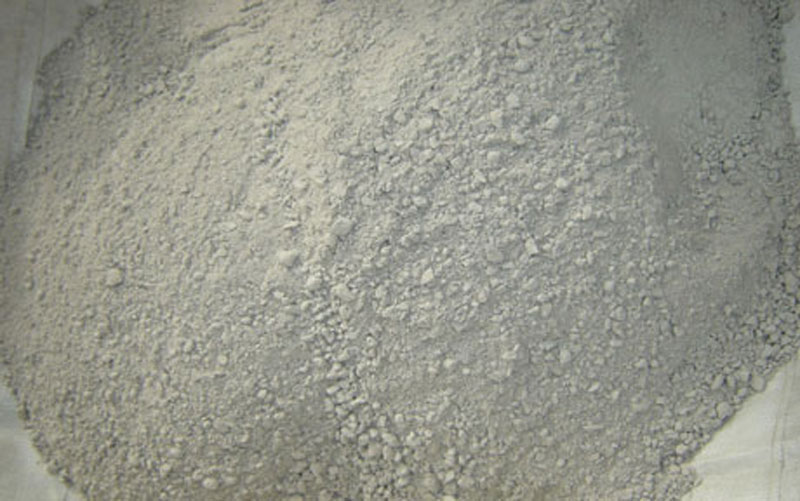
Refractory castable is one of the most widely used monolithic refractory materials in industrial furnaces, kilns, and high-temperature equipment. Compared with traditional refractory bricks, castables offer advantages such as flexible installation, seamless construction, easier repair, and adaptability to complex structures. They are commonly used in steel plants, cement plants, foundries, aluminum industries, heat treatment furnaces, boilers, and various thermal processing systems.
However, selecting the right refractory castable is not a simple task. There are thousands of different formulations available on the market, including high alumina castables, low cement castables, ultra-low cement castables, insulating castables, wear-resistant castables, and corrosion-resistant castables. Each type is designed for different operating conditions.
Choosing an unsuitable refractory castable can lead to problems such as premature cracking, poor strength, excessive wear, thermal shock damage, and reduced furnace service life. Therefore, buyers need to carefully evaluate furnace conditions, material properties, construction requirements, supplier capabilities, and overall costs before making a purchase decision.
This article explains the key factors that should be considered when selecting refractory castable for industrial applications.
1. Understand the Working Environment Before Selecting Refractory Castable
The first step in choosing the right refractory castable is to understand the actual working conditions of the furnace or thermal equipment. Different applications require different refractory properties, and the operating environment directly determines which type of castable should be selected.
Before purchasing, buyers should collect important technical information, including:
- Operating temperature
- Installation location
- Chemical environment
- Mechanical impact conditions
- Abrasion level
- Thermal cycling frequency
- Contact materials
- Heating and cooling speed
For example, a furnace wall operating at 1500°C with strong material impact requires a castable with excellent high-temperature resistance, high mechanical strength, and good wear resistance. A standard low-strength castable may fail quickly under such conditions.
Similarly, equipment exposed to chemical corrosion, molten metal, slag, or aggressive gases requires castables with suitable chemical stability. Selecting a product only based on price without considering the operating environment often results in higher maintenance costs.
The working conditions should always be the starting point when selecting refractory materials.
2. Evaluate Important Physical and Chemical Properties
After understanding the furnace environment, the next step is to evaluate the technical data of different refractory castables. Reliable manufacturers usually provide detailed product specifications, which help buyers determine whether a material is suitable for their application.
Important performance indicators include the following:
Refractoriness and Maximum Service Temperature
Refractoriness indicates the ability of refractory materials to withstand high temperatures without melting or losing structural stability. The selected castable should have a service temperature higher than the actual operating temperature of the furnace.
For example, if the furnace operates continuously at 1500°C, choosing a castable designed for lower temperatures may result in rapid degradation.
Alumina Content
Alumina content is an important factor affecting high-temperature performance. Generally, higher alumina content provides better resistance to heat, corrosion, and mechanical stress.
High alumina castables are widely used in areas requiring excellent thermal stability, such as steel ladles, furnace linings, and high-temperature zones.
Cold Crushing Strength
Cold crushing strength reflects the ability of refractory castables to withstand mechanical pressure after curing and drying. High-strength castables are suitable for areas exposed to impact, vibration, or heavy loads.
For example, furnace floors, kiln entrances, and material handling areas usually require higher mechanical strength.
Abrasion Resistance
In industries such as cement production, metallurgy, and waste incineration, refractory linings often experience continuous material erosion. In these situations, wear-resistant castables are preferred because they can maintain structural integrity for longer periods.
Thermal Shock Resistance
Industrial furnaces frequently experience temperature changes during operation, startup, and shutdown. Poor thermal shock resistance can cause cracking and reduce service life.
Castables with optimized formulations and suitable aggregates can better withstand repeated heating and cooling cycles.
3. Check the Quality of Raw Materials and Product Appearance
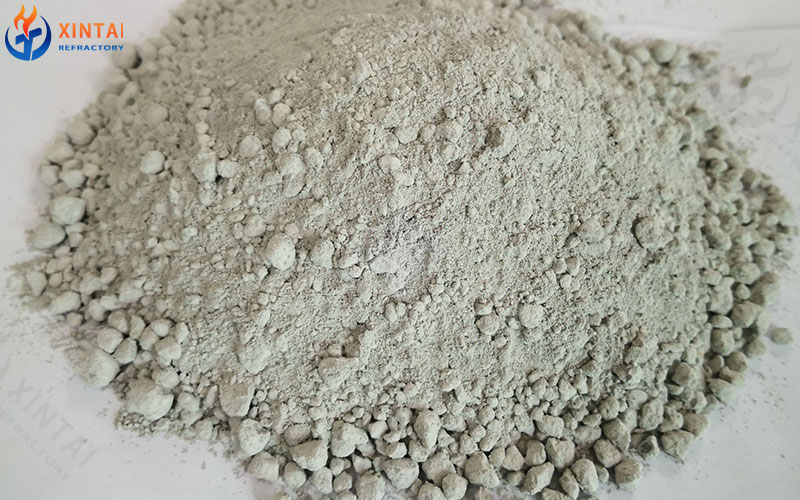
Although laboratory testing provides accurate performance data, buyers can also perform basic quality checks through visual inspection before use.
The quality of refractory castables is closely related to the raw materials, particle distribution, and production process.
During inspection, attention should be paid to:
- Uniform particle distribution
- Clean appearance
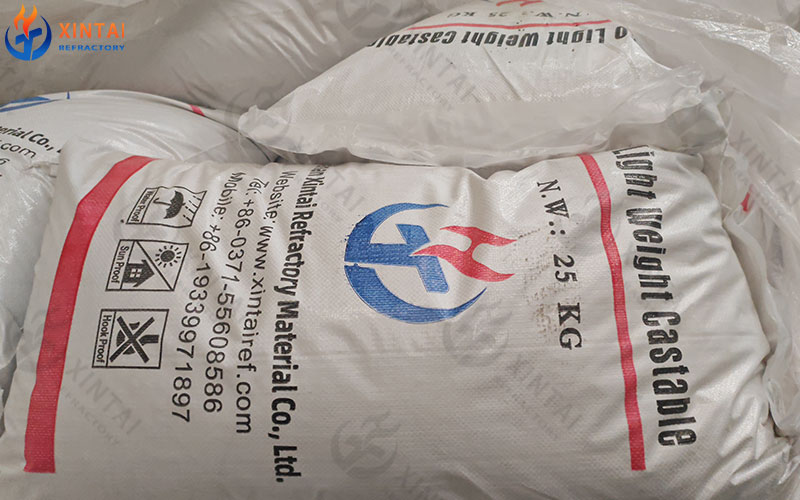
- Proper packaging
- No moisture absorption
- No abnormal hardening inside the bag
The particle size composition is especially important because it affects flowability, density, and final strength after installation.
High-quality castables usually have carefully controlled aggregate sizes to ensure good packing density. Poor particle grading may result in excessive porosity, reduced strength, and shorter service life.
For some special applications, laboratory tests such as sieve analysis, chemical composition analysis, and strength testing may be required to confirm product quality.
4. Consider Construction Performance and Installation Requirements
A high-performance refractory castable can only achieve its designed properties when it is installed correctly. Therefore, construction performance is another important factor during selection.
Before purchasing, buyers should confirm the following construction requirements:
- Required water addition amount
- Mixing method
- Mixing time
- Installation method
- Need for vibration or ramming
- Drying and curing requirements
- Baking procedure
Different castables have different installation processes. Some materials require vibration during casting, while others are designed for self-flowing installation.
Incorrect water addition is one of the most common causes of performance problems. Excessive water can increase porosity after drying, reducing strength and corrosion resistance. Insufficient water may affect workability and make installation difficult.
In addition, proper drying and heating procedures are essential. Rapid temperature increases can cause internal steam pressure and lead to explosive spalling. Therefore, buyers should select products with clear construction instructions and technical support.
5. Choose a Reliable Refractory Castable Supplier
The supplier’s technical capability is another important consideration when purchasing refractory castables.
A professional refractory manufacturer should be able to provide:
- Complete product specifications
- Technical data sheets
- Material safety information
- Application recommendations
- Construction guidance
- After-sales support
Because refractory castable performance depends not only on the material itself but also on installation conditions, technical communication between buyers and suppliers is very important.
Experienced suppliers can recommend suitable products based on furnace structure, operating temperature, and application requirements. They can also help solve problems during construction and provide improvement suggestions for future maintenance.
A supplier with strong technical support often indicates better product reliability and manufacturing experience.
6. Compare Total Cost Instead of Only Product Price
Cost is an important factor in procurement, but the lowest purchase price does not always mean the lowest overall cost.
When comparing refractory castable products, buyers should consider:
- Material price
- Transportation cost
- Installation cost
- Maintenance frequency
- Furnace downtime
- Service life
A cheaper castable may require frequent repairs because of poor durability, resulting in production losses and additional maintenance expenses.
In contrast, a higher-quality refractory castable may have a higher initial cost but provide longer service life, better furnace efficiency, and lower maintenance requirements.
Therefore, procurement decisions should focus on overall economic benefits rather than simply choosing the cheapest option.
7. Select Castable Types According to Specific Applications
Different industrial applications require different refractory castable solutions.
High Alumina Castable
High alumina castables are suitable for applications requiring excellent temperature resistance and corrosion resistance. They are commonly used in steelmaking equipment, industrial furnaces, and high-temperature areas.
Low Cement Castable
Low cement castables provide high density, low porosity, and excellent strength. They are widely used where improved durability and reduced cement content are required.
Insulating Castable
Insulating castables focus on reducing heat loss and improving energy efficiency. They are commonly installed in furnace backup linings and thermal insulation areas.
Wear Resistant Castable
Wear-resistant castables are designed for environments with strong mechanical erosion, such as material impact zones and circulating fluidized bed boilers.
Selecting the correct type according to application requirements can significantly improve equipment performance and service life.
Conclusion
Choosing the right refractory castable requires careful consideration of multiple factors, including furnace conditions, material properties, construction requirements, supplier capabilities, and long-term costs.
The most suitable castable is not always the most expensive product, but the one that matches the actual operating environment and provides reliable performance throughout its service life. By evaluating technical specifications, understanding application requirements, and working with experienced suppliers, buyers can improve furnace efficiency, reduce maintenance costs, and achieve better long-term results.
Proper selection of refractory castable is an important step in ensuring the safety, stability, and durability of high-temperature industrial equipment.