
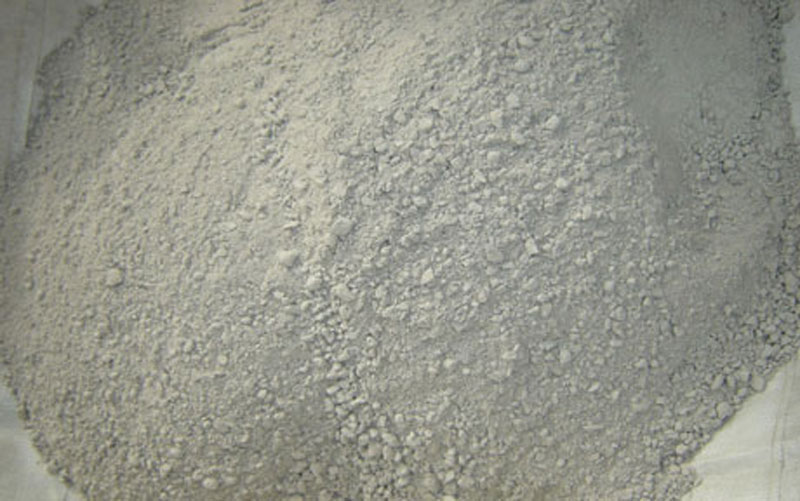
Wear-resistant refractory castables are widely used in high-temperature industrial furnaces and kilns due to their excellent ability to withstand abrasion, thermal stress, and chemical attack. In harsh working environments where solid particles, hot gases, and corrosive media are constantly present, choosing the right refractory lining material is critical for service life, safety, and operational efficiency.
This article explains the main selection criteria for wear-resistant castables and how different working conditions influence material choice.
1. What Are Wear-Resistant Refractory Castables?
Wear-resistant castables are a type of monolithic refractory material designed to resist:
- High-temperature erosion
- Mechanical abrasion from solid particles
- Gas flow scouring
- Impact and friction wear
They are commonly installed in furnace linings, kiln inlets and outlets, ducts, cyclones, and other areas exposed to severe mechanical and thermal stress.
Their main advantage lies in their ability to form a dense, strong, and durable protective layer after proper installation and curing, significantly extending the service life of industrial equipment.
2. Key Performance Requirements
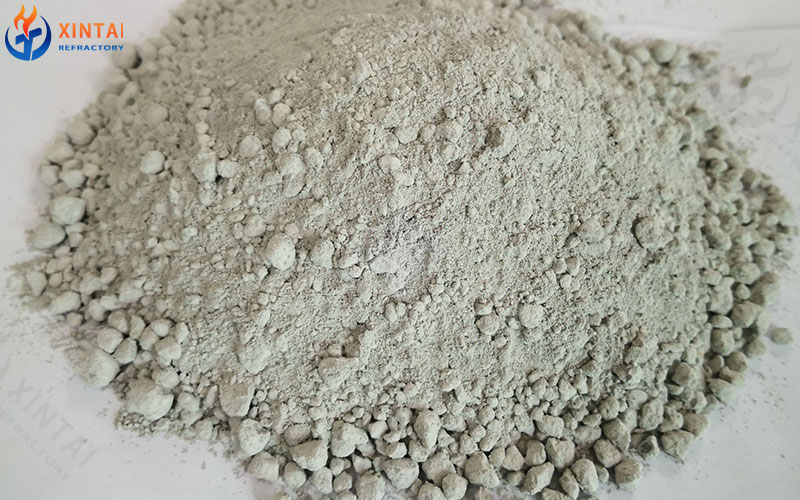
When selecting wear-resistant castables, several essential performance factors must be evaluated. These determine whether the material can survive in demanding industrial environments.
2.1 High-Temperature Resistance
The material must maintain structural integrity under long-term exposure to high temperatures.
Key considerations include:
- Refractoriness (melting resistance)
- Load-bearing capacity at high temperatures
- Stability under continuous thermal exposure
In different furnace zones, temperature levels can vary significantly, making it necessary to match the castable grade to the actual operating conditions.
2.2 Wear Resistance
Wear resistance is the most critical performance indicator.
It refers to the ability of the castable lining to resist:
- Abrasion from solid particles
- Mechanical friction
- Impact from bulk materials
- Erosive gas flow containing dust or ash
Generally:
- Higher bulk density → better wear resistance
- Higher cold crushing strength → stronger abrasion resistance
- Denser microstructure → lower material loss rate
In practical terms, wear resistance determines how long the lining can survive in aggressive environments.
2.3 Thermal Shock Resistance
Many industrial furnaces experience frequent temperature fluctuations, especially at:
- Feeding zones
- Discharge openings
- Start-stop operation areas
Thermal shock resistance refers to the ability of the material to withstand rapid heating and cooling without cracking or spalling.
A good wear-resistant castable should:
- Absorb thermal stress effectively
- Maintain structural integrity during expansion/contraction cycles
- Avoid crack propagation under temperature cycling
Steel fiber reinforcement is often used to improve this property.
2.4 Chemical Corrosion Resistance
In many industrial processes, the lining is exposed to:
- Acidic gases (SO₂, CO₂, etc.)
- Alkaline dust and ash
- Slag and molten residues
Chemical resistance ensures that the material does not degrade rapidly when reacting with these substances.
The correct selection depends on:
- Furnace atmosphere (acidic, neutral, or alkaline)
- Type of raw materials processed
- Presence of slag or corrosive vapors
3. Density and Strength as Selection Indicators
Material structure plays a major role in performance.
Two key indicators are:
3.1 Bulk Density
Higher bulk density usually means:
- Fewer internal pores
- Stronger structural integrity
- Improved abrasion resistance
Dense materials are preferred for high-wear zones such as:
- Inlet chutes
- Outlet openings
- Cyclone separators
3.2 Cold Crushing Strength (CCS)
Cold crushing strength reflects the material’s ability to resist mechanical load at room temperature.
A higher CCS value generally indicates:
- Better resistance to particle impact
- Longer service life under mechanical stress
- Improved structural durability
4. Classification of Wear-Resistant Castables
Different formulations are used depending on operating conditions. Common types include:
4.1 High-Strength Wear-Resistant Castables
- Designed for general high-wear applications
- Balanced performance in strength and cost
- Suitable for moderate temperature zones
4.2 High-Alumina Wear-Resistant Castables
- Contain high alumina content (typically around 70–75%)
- Excellent resistance to heat and chemical attack
- Suitable for furnace chambers and high-temperature areas
4.3 Steel Fiber Reinforced Castables
These materials include stainless or heat-resistant steel fibers.
Advantages:
- Improved thermal shock resistance
- Higher impact strength
- Reduced crack formation under stress
They are especially suitable for:
- Charging openings
- Discharge zones
- Areas with frequent mechanical impact
4.4 Corundum-Based Wear-Resistant Castables
- Made with high-purity corundum aggregates
- Extremely high hardness and wear resistance
- Best for extreme abrasion conditions
However, they are more expensive and typically used only in critical zones.
5. Application-Based Selection Strategy
The correct castable choice depends heavily on the installation location.
5.1 Charging and Discharging Zones
These areas experience:
- Strong mechanical impact
- Frequent temperature fluctuations
- High abrasion from material flow
Recommended solution:
- Steel fiber reinforced wear-resistant castables
Reason:
- Combines toughness with thermal shock resistance
- Handles impact and expansion stress effectively
5.2 Boiler Furnace Lining (Power Plants)
Conditions include:
- High-temperature gas erosion
- Chemical corrosion from combustion by-products
- Continuous particle flow
Recommended solution:
- Corundum-based or high-alumina wear-resistant castables
Reason:
- Excellent high-temperature stability
- Strong resistance to chemical attack
- Long service life under continuous operation
5.3 Flue Gas Ducts and Chimneys
These areas face:
- Gas flow erosion
- Acidic or alkaline corrosion
- Moderate temperatures depending on process
Recommended solution:
- High-alumina wear-resistant castables
Reason:
- Balanced resistance to wear and chemical corrosion
- Cost-effective for large surface applications
5.4 Cyclones and Separation Systems
These are among the most abrasive environments due to:
- High-speed particle flow
- Continuous impact and swirling motion
Recommended solution:
- High-density or corundum-based castables
Reason:
- Maximum abrasion resistance required
- Dense structure reduces erosion rate
6. Matching Material to Working Conditions
A proper selection must consider the following:
6.1 Temperature Range
- Low to medium temperature: high-strength castables
- High temperature: high-alumina or corundum-based materials
6.2 Mechanical Load
- Light wear: standard high-alumina castables
- Heavy impact: steel fiber reinforced types
6.3 Chemical Environment
- Acidic environment: acid-resistant formulations
- Alkaline environment: alkaline-resistant or neutral compositions
6.4 Operation Stability
- Frequent start-stop cycles → require better thermal shock resistance
- Continuous operation → focus on wear and corrosion resistance
Conclusion
Selecting wear-resistant refractory castables is not a one-size-fits-all decision. It requires a comprehensive understanding of:
- Operating temperature
- Mechanical wear intensity
- Thermal shock conditions
- Chemical environment
- Installation location
In general:
- Steel fiber reinforced castables are best for impact and thermal shock zones
- High-alumina castables are suitable for balanced wear and corrosion resistance
- Corundum-based materials are ideal for extreme abrasion environments
A well-chosen wear-resistant castable not only improves furnace efficiency but also significantly reduces maintenance frequency and operational costs, making it a critical component in high-temperature industrial systems.