
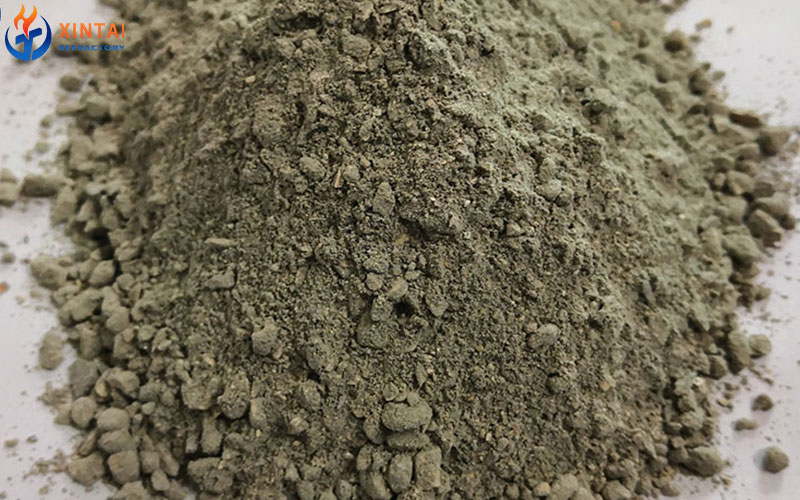
Heating furnace refractory castables are widely used as monolithic refractory linings in metallurgy, forging, heat treatment, and various high-temperature industrial furnaces. Unlike traditional refractory bricks, castables are supplied in a dry mix form and can be installed on-site by adding water and casting into shape. After curing and proper heat treatment, they form a dense, seamless lining with strong mechanical integrity.
Because of their flexibility in installation and excellent performance under thermal and mechanical stress, heating furnace refractory castables have become a preferred lining solution in modern industrial furnace design. Different working conditions, however, require different types of castables.
This article explains the main types of heating furnace refractory castables, their properties, and their typical applications.
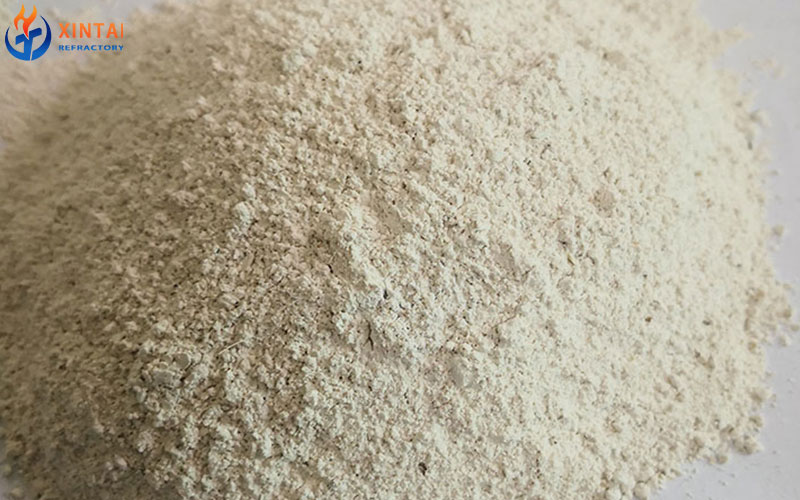
1. High-Alumina Castables
High-alumina castables are among the most commonly used refractory materials for heating furnaces. They are classified into ordinary and low-cement types based on their binder content.
Key Properties
- Al₂O₃ content: 55%–80%
- Service temperature: 1200°C–1500°C
- Excellent mechanical strength
- Good thermal shock resistance
- Fast installation and curing
Low-cement high-alumina castables offer improved high-temperature strength, reduced porosity, and better corrosion resistance compared to conventional formulations.
Typical Applications
- Furnace walls
- Furnace roofs
- Flue channels
- Medium and low temperature zones
Performance Highlights
High-alumina castables provide a balanced combination of cost efficiency and performance, making them suitable for general-purpose furnace linings where extreme corrosion or wear is not the primary concern.
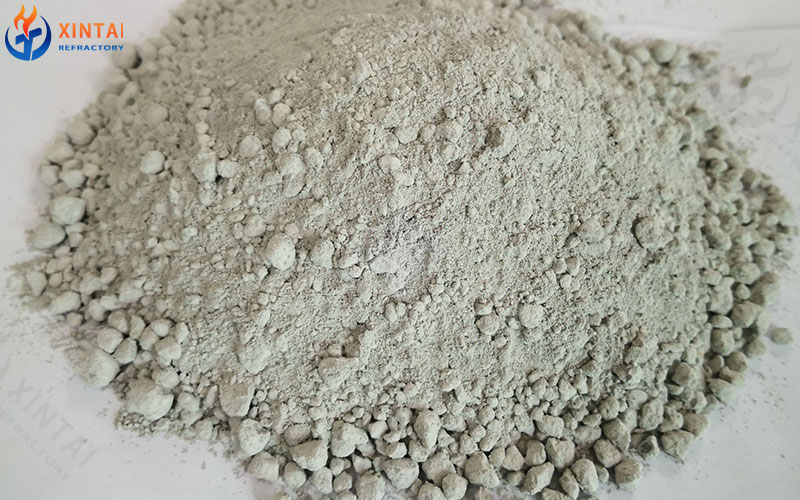
2. Mullite Castables
Mullite-based castables are designed for high-temperature environments requiring superior structural stability and thermal shock resistance.
Key Properties
- Al₂O₃ content: ≥70%
- Service temperature: 1500°C–1600°C
- Excellent thermal stability
- Strong resistance to spalling
- Low thermal expansion
Mullite phases provide a stable crystal structure that remains reliable under repeated heating and cooling cycles.
Typical Applications
- High-temperature furnace roofs
- Furnace walls exposed to thermal cycling
- Heat treatment furnaces with frequent temperature changes
Performance Highlights
Mullite castables are particularly effective in environments with rapid temperature fluctuations. Their ability to resist cracking and spalling significantly extends furnace service life.
3. Corundum and Chrome Corundum Castables
Corundum-based castables represent the high-performance end of refractory materials. They are engineered for extreme temperature and severe chemical corrosion conditions.
Key Properties
- Al₂O₃ content: ≥90%
- Service temperature: 1600°C–1800°C
- Extremely high hot strength
- Excellent slag and chemical resistance
- High density and low porosity
Chrome corundum variants further improve resistance to chemical attack, especially in aggressive slag environments.
Typical Applications
- Burner blocks
- Flame impact zones
- High-temperature combustion areas
- Strong slag corrosion zones
Performance Highlights
These materials are designed for the harshest furnace environments. They maintain structural integrity even under intense flame exposure and chemical erosion.
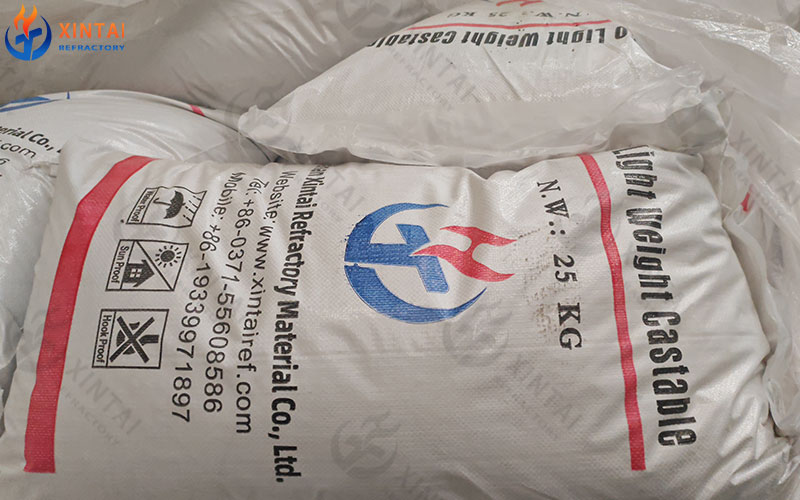
4. Phosphate-Bonded Castables
Phosphate-bonded castables use phosphoric acid or aluminum phosphate as a binder system, offering high strength and excellent abrasion resistance without requiring traditional cement hydration.
Key Properties
- Binder: Phosphoric acid / aluminum phosphate
- Service temperature: 1400°C–1600°C
- High mechanical strength
- Excellent wear resistance
- Strong thermal shock resistance
- Can be reinforced with steel fibers
Typical Applications
- Furnace bottoms
- Sliding tracks and rails
- Discharge outlets
- High-impact and high-friction areas
Performance Highlights
Phosphate-bonded castables are particularly suitable for areas with strong mechanical stress. The addition of steel fibers further enhances toughness and crack resistance.
5. Anti-Slag and Wear-Resistant Castables
These castables are specially formulated to resist chemical attack from slag and severe mechanical abrasion.
Key Properties
- Additives: Silicon carbide (SiC), corundum, and other wear-resistant aggregates
- Service temperature: 1500°C–1600°C
- Strong oxidation and slag resistance
- High abrasion resistance
- Stable performance under corrosive conditions
Typical Applications
- Furnace bottom slag accumulation zones
- Material discharge points
- Sliding and impact zones
- High wear industrial furnace sections
Performance Highlights
Their dense microstructure and wear-resistant additives significantly reduce material loss caused by slag penetration and mechanical erosion.
6. Lightweight Insulating Castables
Lightweight insulating castables are designed to reduce heat loss and improve energy efficiency rather than provide structural strength.
Key Properties
- Bulk density: 0.8–1.6 g/cm³
- Service temperature: 800°C–1200°C
- Low thermal conductivity
- Excellent insulation performance
- Energy-saving characteristics
Typical Applications
- Furnace walls (insulation layer)
- Furnace roofs (thermal barrier layer)
- Flue insulation
- Back-up lining systems
Performance Highlights
These materials significantly reduce furnace heat loss, improving overall energy efficiency and reducing fuel consumption.
7. Self-Flow Castables
Self-flow castables are designed for easy installation in complex or inaccessible areas where vibration or compaction is difficult.
Key Properties
- Service temperature: up to 1500°C
- High flowability without vibration
- Uniform density after casting
- Good filling capability
- Suitable for irregular shapes
Typical Applications
- Complex furnace structures
- Narrow or difficult-to-reach areas
- Repair and maintenance zones
- Precision cast refractory sections
Performance Highlights
Their self-leveling property ensures complete filling of molds and voids, reducing installation defects and improving overall lining quality.
Selection of Castables by Furnace Area
Different furnace zones require different material properties. Proper selection is critical to ensure durability and efficiency.
Furnace Bottom (Load-Bearing / Friction Zone)
- Recommended: Phosphate-bonded (steel fiber), anti-slag castables
- Requirements: Wear resistance, impact resistance, slag resistance
Furnace Walls (High-Temperature Zone)
- Recommended: Mullite or low-cement high-alumina castables
- Requirements: Thermal shock resistance, erosion resistance
Furnace Roof
- Recommended: Mullite or corundum-mullite castables
- Requirements: High hot strength, spalling resistance
Burner and Flame Zones
- Recommended: Corundum or chrome corundum castables
- Requirements: High temperature resistance, chemical stability
Discharge and Sliding Areas
- Recommended: Phosphate-bonded steel fiber castables
- Requirements: High abrasion and impact resistance
Flue and Low-Temperature Zones
- Recommended: Ordinary high-alumina or lightweight castables
- Requirements: Insulation and cost efficiency
Selection Guidelines
Choosing the right castable depends on furnace conditions and operational demands.
Based on Temperature
- Below 1300°C: Ordinary high-alumina castables
- 1300°C–1500°C: Low-cement high-alumina castables
- Above 1500°C: Mullite or corundum castables
Based on Working Conditions
- High wear or impact zones: Phosphate-bonded castables
- Chemical or slag attack zones: Anti-slag or corundum castables
- Insulation zones: Lightweight castables
Based on System Design
- Critical high-temperature zones: Low-cement or ultra-low cement systems
- General medium-temperature zones: Conventional castables
- High stress zones: Fiber-reinforced phosphate systems
Conclusion
Heating furnace refractory castables are essential materials for modern industrial furnace linings. Their wide range of types allows engineers to precisely match material properties with specific working conditions. From high-alumina and mullite castables to corundum, phosphate-bonded, wear-resistant, lightweight, and self-flow systems, each type plays a unique role in furnace performance optimization.
Proper selection, correct installation, and controlled curing are the key factors that determine service life and operational stability. As industrial furnaces continue to evolve toward higher efficiency and more demanding conditions, advanced refractory castable systems will remain a critical component in thermal engineering applications.