
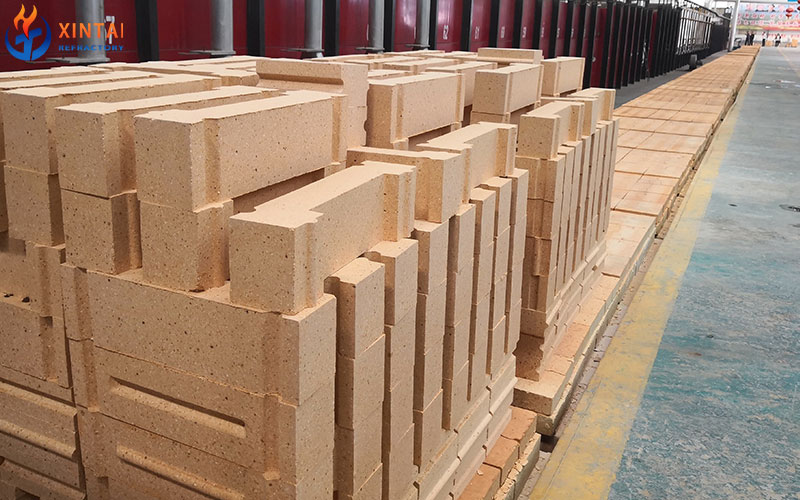
High alumina refractory bricks are widely used in industrial furnaces, rotary kilns, and various thermal equipment. However, in practice, “high alumina brick” is not a single product; it encompasses multiple grades with distinct chemical compositions, physical properties, service lives, and costs. Common grades include 50%, 60%, 70%, and 80% Al₂O₃, and understanding the differences between these grades is essential for proper selection and long-term operational efficiency. This article will provide a comprehensive guide to the differences among high alumina refractory brick grades, helping industrial users select the most suitable products for specific conditions.
Understanding High Alumina Brick Grades: More Than Just Aluminum Oxide Content
High alumina refractory bricks are classified primarily based on their Al₂O₃ content. However, their performance is not solely determined by chemical composition. The mineral phases formed during firing play a crucial role in the brick’s properties. As the Al₂O₃ content increases:
- Mullite and corundum content rises
- Glassy phase content decreases
These changes affect the brick’s:
- Refractoriness (resistance to high temperature)
- High-temperature strength and load-bearing capacity
- Resistance to slag attack and chemical corrosion
- Thermal stability and service life
Therefore, before comparing grades, it is important to understand the material mechanisms behind high alumina bricks.
Common High Alumina Brick Grades
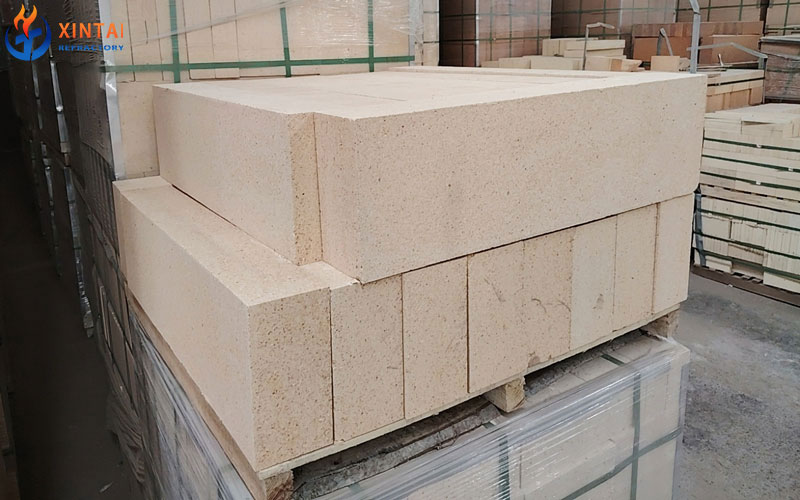
Industrial high alumina bricks are commonly categorized according to their minimum Al₂O₃ content:
- 50% High Alumina Brick
- 60% High Alumina Brick
- 70% High Alumina Brick
- 80% High Alumina Brick
Each grade represents a balance between refractoriness, mechanical strength, thermal shock resistance, and cost. The selection depends on furnace temperature, atmosphere, chemical corrosion level, mechanical load, and whether the brick is used in a hot-face layer or backing layer.
50% High Alumina Brick: Entry-Level Choice
The Al₂O₃ content of 50% high alumina bricks typically ranges from 48% to 52%, making them the entry-level product among high alumina refractory bricks. Compared to ordinary clay bricks, they offer higher refractoriness and structural strength, while remaining cost-effective.
Performance Characteristics:
- Mainly composed of mullite with a relatively high glassy phase
- Good high-temperature strength
- Moderate thermal shock resistance
- Weak resistance to slag penetration and chemical corrosion compared to higher grades
Typical Applications:
- Backup lining behind high-temperature layers
- Medium-temperature heating furnaces and industrial kilns
- Environments with frequent temperature fluctuations but not extreme high temperatures
- Cost-sensitive industrial scenarios
Limitations:
- Rapid wear in steel furnaces, cement kilns, or non-ferrous metal melting furnaces with aggressive slag
- High maintenance frequency increases long-term operational costs
60% High Alumina Brick: The Versatile Standard
60% high alumina bricks, with Al₂O₃ content of approximately 58%–62%, are the most widely used grade in industrial furnaces and are considered the standard configuration by many engineers.
Performance Advantages:
- Higher mullite content than 50% grade
- Improved refractoriness and high-temperature strength
- Reduced glassy phase, enhancing slag and chemical resistance
Typical Applications:
- Steel heating furnaces and homogenizing furnaces
- Cement rotary kilns
- Lime kilns
- Glass forehearths and upper furnace structures
- Medium-corrosion zones in non-ferrous metal furnaces
Overall Assessment:
- Stable performance and predictable service life
- Optimal balance between cost and performance for most industrial applications
70% High Alumina Brick: Ideal for High-Load and High-Temperature Conditions
70% high alumina bricks contain 68%–72% Al₂O₃, representing a significant performance upgrade.
Material Characteristics:
- Fully developed mullite crystals
- Partial formation of corundum
- Excellent high-temperature stability and load-bearing capacity
Typical Usage Areas:
- Hot-face zones of steel furnaces
- Transition zones in cement kilns
- High-temperature areas with mechanical wear
- Environments with both temperature fluctuations and thermal shocks
Important Consideration:
- Higher Al₂O₃ content does not always equate to better thermal shock resistance.
- In some high-load areas, 70% high alumina bricks outperform 80% bricks in thermal shock durability.
80% High Alumina Brick: High-End Choice for Extreme Conditions
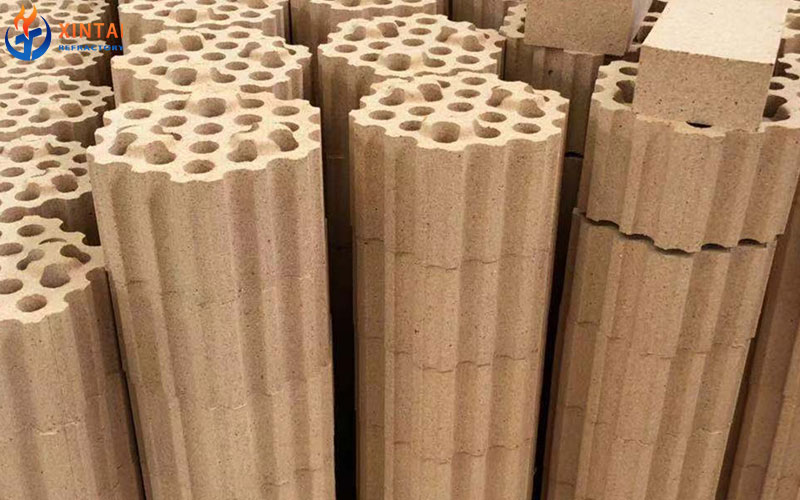
80% high alumina bricks, with 78%–82% Al₂O₃ content, are designed for extreme high-temperature and highly corrosive environments.
Performance Characteristics:
- Corundum is the primary mineral phase
- Excellent resistance to slags, alkalis, and metal penetration
- Extremely high refractoriness and strength
Application Scenarios:
- High-temperature zones of cement kilns
- Non-ferrous metal smelting furnaces
- Waste incineration furnaces
- Areas with strong corrosion and high thermal load
Usage Considerations:
- Higher cost than lower grades
- Thermal shock resistance may be lower than 70% grade under frequent heating and cooling cycles
- Overuse in non-critical areas constitutes over-specification and unnecessary expense
Comparative Overview of 50%–80% High Alumina Bricks
| Grade | Al₂O₃ Content | Temperature Range | Strength & Load-Bearing | Slag & Chemical Resistance | Thermal Shock Resistance | Typical Cost |
|---|---|---|---|---|---|---|
| 50% | 48–52% | Medium | Moderate | Low | Good | Low |
| 60% | 58–62% | Medium–High | High | Medium–High | Good | Moderate |
| 70% | 68–72% | High | Very High | High | Excellent in many cases | Higher |
| 80% | 78–82% | Very High | Extremely High | Very High | Moderate under cycles | Highest |
Key Insights:
- Refractoriness and chemical resistance increase with Al₂O₃ content
- Thermal shock resistance does not always increase with higher Al₂O₃; 60% and 70% often perform better than 80% in cyclic conditions
- Cost-effective selection often involves zoning bricks rather than uniform high-grade use
High Alumina Brick Grades by Industry Standard: Special, First, Second, and Third Grade
Industrial standards often classify high alumina bricks into four grades:
| Grade | Al₂O₃ Content | Mineral Phases | Typical Use |
|---|---|---|---|
| Special | >85% | Mostly corundum | Extremely high-temperature areas, steel electric furnace covers, critical slag lines |
| First | 75–85% | Mullite + corundum | High-temperature, high-corrosion critical zones (furnace waist, electric furnace tops) |
| Second | 60–75% | Mullite dominant, some corundum | General-purpose, medium-high temperature zones (cement kiln firing zone, glass regenerator) |
| Third | 48–60% | Mullite + glassy phase | Lower-temperature, less corrosive zones; backup layers, preheating zones |
Guidelines for Selection:
- Temperature: Higher temperature → higher grade
- Position: Furnace “heart” → first or special grade; non-critical → second or third grade
- Budget: Third-grade bricks are cheaper but wear faster; first-grade bricks are more expensive but reduce maintenance frequency
Practical Recommendations for Industrial Users
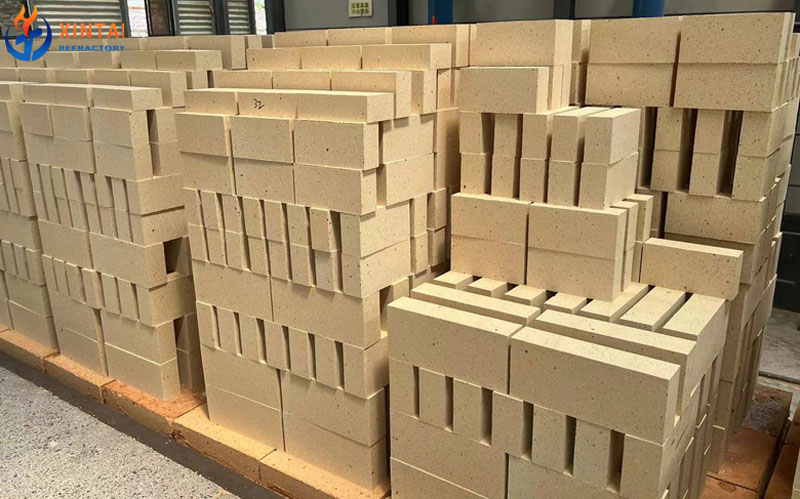
- 50% High Alumina Brick: Economic choice for medium-temperature conditions
- 60% High Alumina Brick: Best balance of performance and cost, most versatile
- 70% High Alumina Brick: Preferred for high-load and high-temperature zones
- 80% High Alumina Brick: Reserved for extreme environments
Partnering with experienced, high-quality manufacturers and implementing proper installation and maintenance practices are essential for building reliable refractory linings. Zoning bricks according to operational conditions ensures both cost efficiency and long service life.
Conclusion
Understanding the differences among high alumina refractory brick grades is critical for optimizing industrial furnace performance. From 50% entry-level bricks to 80% extreme-duty bricks, each grade offers a specific balance of strength, chemical resistance, thermal shock resistance, and cost. Rational selection, combined with zoning and professional installation, ensures the most effective, durable, and economical refractory lining for industrial operations.