
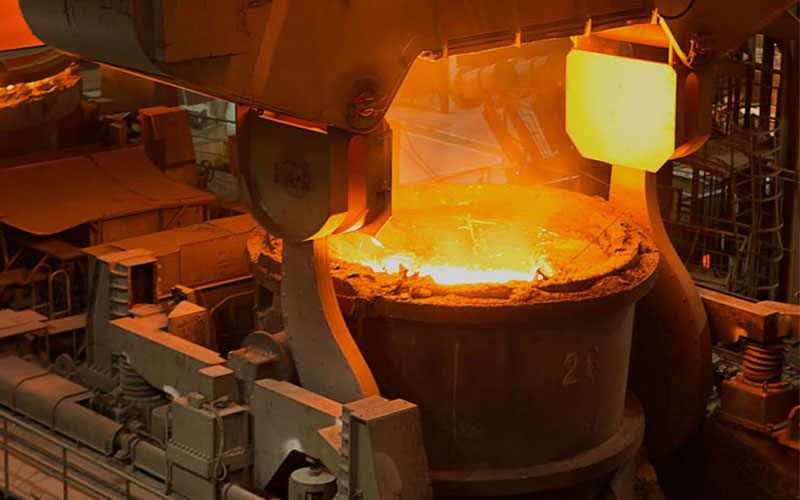
Electric arc furnaces (EAF) are widely used in metallurgy, chemical processing, and building material production. Their operation involves extremely high temperatures, intense thermal cycling, and aggressive chemical reactions between molten metal and slag. Because of these harsh conditions, selecting the right refractory materials is essential to ensure furnace efficiency, stability, and long service life.
Electric arc furnace refractory must provide high refractoriness, excellent thermal shock resistance, and strong resistance to rapid temperature changes and chemical corrosion. Different furnace zones require different types of refractory materials based on their function and exposure conditions.
Overview of Electric Arc Furnace Structure
An electric arc furnace is generally composed of three main sections:
- Furnace roof (top section)
- Furnace body (sidewalls)
- Furnace bottom (hearth)
Each section has different working conditions and therefore requires different refractory solutions.
- The roof mainly reduces heat loss and prevents environmental pollution from dust and gases.
- The body is the main working chamber where melting and refining take place.
- The bottom holds molten steel and slag, requiring strong erosion resistance.
Because each part is exposed to different levels of thermal and chemical stress, refractory selection must be carefully matched to each zone.
Types of Refractory Materials Used in Electric Arc Furnaces
1. High Alumina Refractories
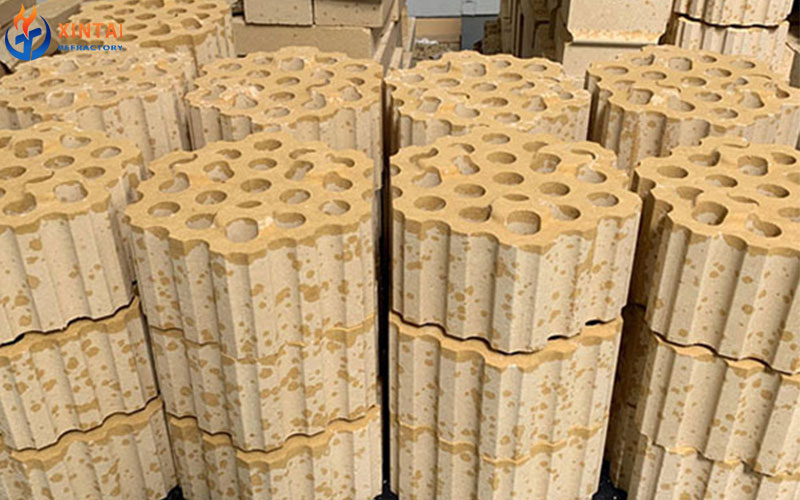
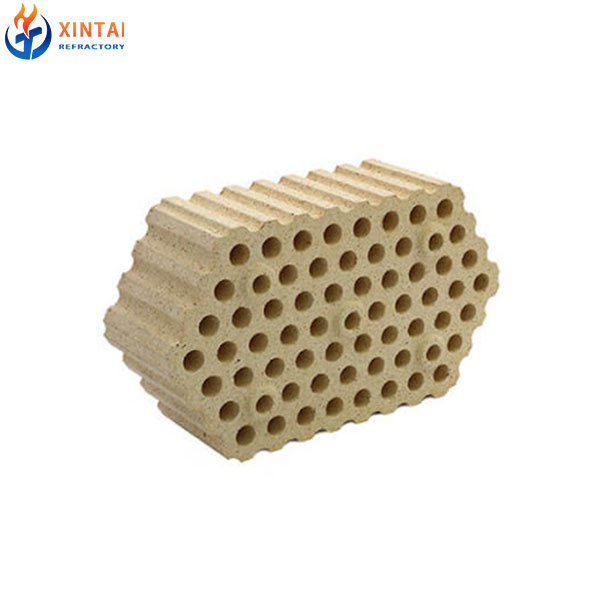
High alumina bricks are among the most commonly used materials in electric arc furnaces, especially in the roof and upper furnace zones.
Key properties include:
- High refractoriness (resistance to very high temperatures)
- Good mechanical strength at high temperatures
- Strong resistance to abrasion and chemical attack
- Stable performance under thermal cycling
These properties make high alumina bricks suitable for environments where temperature fluctuates frequently and chemical exposure is moderate.
They are widely used in:
- Furnace roofs
- Upper sidewalls
- Transition zones
High alumina refractories are preferred when structural stability and heat resistance are the primary requirements.
2. Magnesia Refractories
Magnesia bricks are made primarily from high-purity magnesia (MgO) and are widely used in electric arc furnaces due to their excellent resistance to basic slags.
Key properties include:
- Excellent resistance to basic slag corrosion
- High melting point
- Strong chemical stability in steelmaking environments
- Good load-bearing capacity at high temperature
Magnesia bricks are commonly used in:
- Furnace sidewalls
- Hot spots exposed to molten steel
- Slag line areas
Because EAF environments are highly alkaline, magnesia-based refractories are essential for maintaining lining durability.
3. Magnesia Carbon Refractories
Magnesia carbon bricks are one of the most important refractory materials used in modern electric arc furnaces. They combine magnesia with graphite carbon, offering enhanced performance under extreme conditions.
Key advantages:
- Excellent thermal shock resistance
- Strong resistance to slag penetration
- High thermal conductivity (reduces thermal stress)
- Superior erosion resistance
- Long service life under severe conditions
These bricks are especially suitable for areas with:
- High thermal cycling
- Strong mechanical impact
- Intensive slag attack
Typical applications include:
- Furnace sidewalls (especially slag line)
- Lower furnace zones
- High-wear areas near molten steel
Magnesia carbon refractories are widely considered a standard material in high-performance steelmaking furnaces.
4. Magnesia Chrome Refractories
Magnesia chrome bricks are another important type of refractory used in electric arc furnaces. They are made from a combination of magnesia and chrome ore, which provides strong chemical stability.
Key properties include:
- High resistance to chemical corrosion
- Strong thermal stability
- Good resistance to basic slag
- Excellent performance in aggressive furnace environments
These bricks are often used in:
- Furnace bottoms
- High corrosion areas
- Chemical slag contact zones
However, due to environmental considerations regarding chromium content, their usage is more controlled in some regions. Despite this, they remain important in many heavy industrial applications.
5. Silica Refractories
Silica bricks are mainly used in the upper parts of the electric arc furnace, especially where high structural stability and resistance to deformation are required.
Key properties:
- High softening point under load
- Good volume stability at high temperatures
- Resistance to acidic environments
- Excellent structural integrity in roof applications
They are commonly used in:
- Furnace roofs
- Upper structural sections
Silica refractories are less suitable for slag-heavy environments but perform well in dry, high-temperature zones.
6. Alumina-Magnesia Carbon Bricks
Alumina-magnesia carbon bricks are advanced composite refractories designed to combine the benefits of multiple materials.
Key features:
- High resistance to thermal shock
- Strong slag resistance
- Improved oxidation resistance
- Excellent mechanical strength
They are used in areas requiring balanced performance between thermal durability and chemical resistance.
Typical applications include:
- Furnace transition zones
- High-stress working areas
- Regions with frequent thermal cycling
These materials are widely used in modern EAF systems due to their balanced performance.
Electric Arc Furnace Refractory Selection by Furnace Zone
Furnace Roof
The roof is exposed to high heat radiation but relatively low mechanical wear. Suitable materials include:
- High alumina bricks
- Silica bricks
Key requirements:
- Heat insulation
- Structural stability
- Resistance to thermal shock
Furnace Body
The furnace body is the most critical working area, exposed to molten steel, slag, and high thermal cycling.
Common materials:
- Magnesia carbon bricks
- Magnesia bricks
- Alumina-magnesia carbon bricks
Key requirements:
- Slag resistance
- Thermal shock resistance
- Mechanical strength
Furnace Bottom
The bottom section supports molten metal and slag, requiring maximum durability.
Common materials:
- Magnesia bricks
- Magnesia carbon bricks
- Magnesia chrome bricks
Key requirements:
- High erosion resistance
- Chemical stability
- Load-bearing capacity
Performance Requirements for EAF Refractories
To ensure long furnace life and stable operation, electric arc furnace refractories must meet several critical requirements:
- High refractoriness under load
- Strong resistance to thermal shock
- Excellent slag corrosion resistance
- Good mechanical strength at high temperatures
- Stability under rapid heating and cooling cycles
Failure to meet these requirements can lead to:
- Lining cracks
- Material peeling
- Reduced furnace efficiency
- Increased maintenance costs
Advantages of High-Quality Refractory Systems
A well-designed refractory system for electric arc furnaces provides several benefits:
- Extended furnace service life
- Reduced downtime for repairs
- Improved energy efficiency
- Better steel quality consistency
- Lower operational costs
Manufacturers with advanced production capabilities and strict quality control systems can significantly improve furnace performance through optimized refractory solutions.
Conclusion
Electric arc furnace refractories play a critical role in steelmaking and high-temperature industrial processes. Different furnace zones require different materials based on their thermal, chemical, and mechanical conditions.
High alumina bricks, magnesia bricks, magnesia carbon bricks, magnesia chrome bricks, silica bricks, and alumina-magnesia carbon bricks all serve specific functions in ensuring furnace stability and durability.
A properly selected refractory system not only improves furnace performance but also reduces maintenance frequency and extends equipment lifespan, making it a key factor in modern metallurgical operations.