
Gasification furnaces play a critical role in converting carbon-based feedstocks such as coal, biomass, and municipal solid waste into syngas, a valuable fuel and chemical feedstock. The operational efficiency and longevity of these furnaces depend heavily on the refractory materials used. Selecting the right refractory materials ensures high thermal performance, resistance to chemical attack, and structural integrity under extreme operating conditions. This article explores the key considerations and best practices for selecting refractory materials for gasification furnaces.
Understanding Gasification Furnace Conditions
Before selecting refractory materials, it is essential to understand the operating conditions within a gasification furnace. These conditions include:
- High Temperatures: Gasification reactions often occur at temperatures ranging from 1,200°C to 1,600°C. Refractory materials must maintain mechanical strength and structural integrity under these high temperatures.
- Chemical Attack: Syngas contains components such as carbon monoxide, hydrogen, and trace amounts of sulfur and chlorine. Refractory materials must resist chemical corrosion and erosion.
- Thermal Cycling: Gasification furnaces experience frequent start-up and shutdown cycles, resulting in thermal shock. Refractories should have excellent thermal shock resistance to prevent cracking and spalling.
- Mechanical Stress: The internal lining of the furnace must withstand the abrasive action of feedstocks, slag, and ash, requiring materials with high wear resistance.
Types of Refractory Materials for Gasification Furnaces
Selecting the proper refractory material involves considering its composition, properties, and suitability for different zones within the furnace. Common refractory materials include:
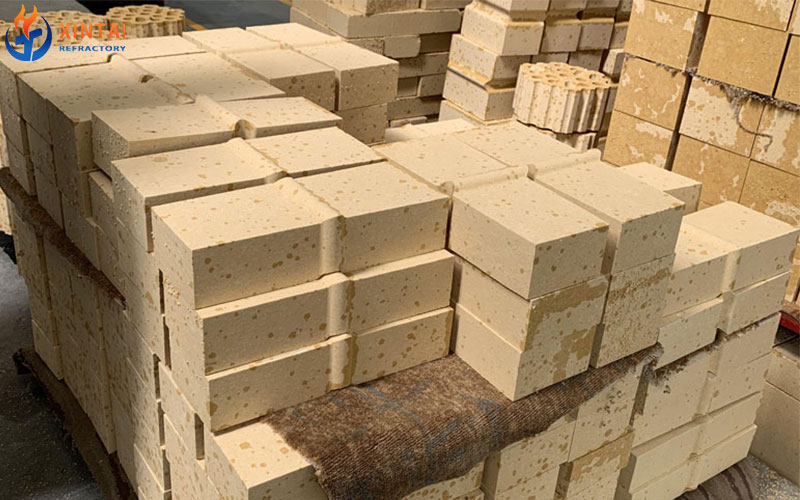
1. High Alumina Bricks
- Composition: Contain 60–90% Al₂O₃ (alumina), providing high melting points and mechanical strength.
- Advantages: Excellent resistance to chemical attack by slags and molten metals. Suitable for areas exposed to high temperatures.
- Applications: Used in furnace walls, arches, and throat areas where thermal and chemical resistance is critical.
2. Fireclay Bricks
- Composition: Primarily made from alumina and silica, with Al₂O₃ content ranging from 35–45%.
- Advantages: Economical, moderate thermal conductivity, and good thermal shock resistance.
- Applications: Ideal for zones with moderate temperatures and low chemical exposure.
3. Silica Bricks
- Composition: Composed of over 90% SiO₂.
- Advantages: High resistance to acidic slags, low thermal expansion, and good creep resistance at high temperatures.
- Applications: Often used in the lower parts of the furnace or areas in contact with acidic slags.
4. Magnesia Bricks
- Composition: Contain more than 90% MgO.
- Advantages: Highly resistant to basic slags and alkali attack. Excellent performance in high-temperature zones.
- Applications: Suitable for gasifiers processing high-alkali feedstocks or those generating basic slags.
5. Castable Refractories
- Composition: A mixture of refractory aggregates, binders, and additives that can be cast in place.
- Advantages: Provides seamless lining, reducing joints where erosion and leakage can occur. Highly customizable for specific furnace geometries.
- Applications: Often used in arches, throat areas, and areas prone to thermal stress.
6. Insulating Refractories
- Composition: Lightweight materials with high porosity, such as alumina-silica fibers or insulating firebricks.
- Advantages: Reduce heat loss and improve energy efficiency. Can tolerate rapid temperature changes due to low thermal mass.
- Applications: Secondary linings, outer layers of furnaces, or areas with moderate mechanical stress.
Factors to Consider When Choosing Refractories
Several critical factors influence the selection of refractory materials for gasification furnaces:
1. Temperature Resistance
Refractories must withstand peak operating temperatures and prevent deformation, creep, or melting. High alumina and magnesia bricks are often preferred for the hottest zones due to their high melting points and structural stability.
2. Chemical Compatibility
Gasification generates various corrosive substances, including alkalis, sulfur compounds, and slags. Refractories should resist chemical attack based on the feedstock type and slag composition. For instance, magnesia bricks are ideal for furnaces processing high-alkaline materials, while silica bricks are better for acidic slags.
3. Thermal Shock Resistance
Frequent heating and cooling cycles can cause cracks and spalling in refractory linings. Materials with low thermal expansion and good thermal conductivity, such as fireclay and castables, help minimize damage from thermal cycling.
4. Mechanical Strength and Wear Resistance
Furnace linings are exposed to abrasive feedstocks, slag movement, and particulate impacts. Refractories must maintain high compressive and flexural strength to resist erosion. High-density high-alumina and magnesia bricks provide superior wear resistance.
5. Installation and Maintenance
Ease of installation and repair is another consideration. Castable refractories allow seamless linings, reducing maintenance frequency. Modular bricks with interlocking designs also facilitate repairs and replacements.
6. Energy Efficiency
Insulating refractories help retain heat within the furnace, reducing fuel consumption and improving efficiency. A combination of dense, high-strength bricks for the hot face and insulating layers behind them is often used to balance performance and efficiency.
Best Practices for Gasification Furnace Refractory Selection
To maximize furnace lifespan and operational performance, consider these best practices:
- Zone-Specific Selection: Different zones of the furnace experience varying temperatures and chemical exposures. Use high-strength, chemically resistant bricks in the high-temperature core and insulating bricks in secondary layers.
- Feedstock Analysis: Understand the chemical composition of the feedstock, as it directly affects slag formation and chemical attack on refractories.
- Quality Materials: Choose high-quality, proven refractory materials from reputable manufacturers to ensure consistency and durability.
- Regular Inspection: Schedule routine inspections for cracks, spalling, and wear. Timely repairs prevent larger failures and prolong furnace life.
- Thermal Modeling: Use computational simulations to predict temperature gradients and stress concentrations within the lining, helping to optimize material selection.
Conclusion
The proper selection of refractory materials from Xintai for gasification furnaces is essential for ensuring operational efficiency, safety, and long-term durability. Understanding furnace conditions, chemical exposure, thermal requirements, and mechanical stresses allows engineers to choose the right combination of bricks, castables, and insulating materials. By following best practices, leveraging emerging technologies, and prioritizing quality, operators can significantly extend the lifespan of gasification furnaces, reduce maintenance costs, and improve energy efficiency.
Selecting refractory materials is not merely a technical decision but a strategic one that directly impacts the productivity and profitability of gasification operations. With careful planning and expert material choice, gasification furnaces can achieve optimal performance and reliable operation for years to come.