
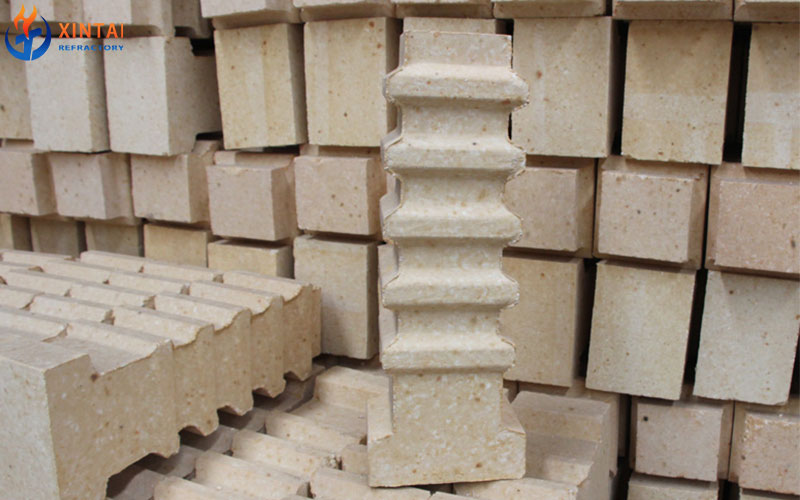
High-alumina bricks are a fundamental component in the construction and maintenance of industrial furnaces, kilns, and other high-temperature equipment. Known for their excellent resistance to heat, chemical corrosion, and mechanical wear, these bricks are crucial for ensuring operational efficiency and prolonging the lifespan of thermal equipment. One of the key aspects of high-alumina bricks is their shape. Depending on the location and function within the furnace or kiln, different shapes of high-alumina bricks are selected to optimize performance. This article explores the main types of high-alumina bricks according to their shape, helping engineers, manufacturers, and buyers make informed choices.
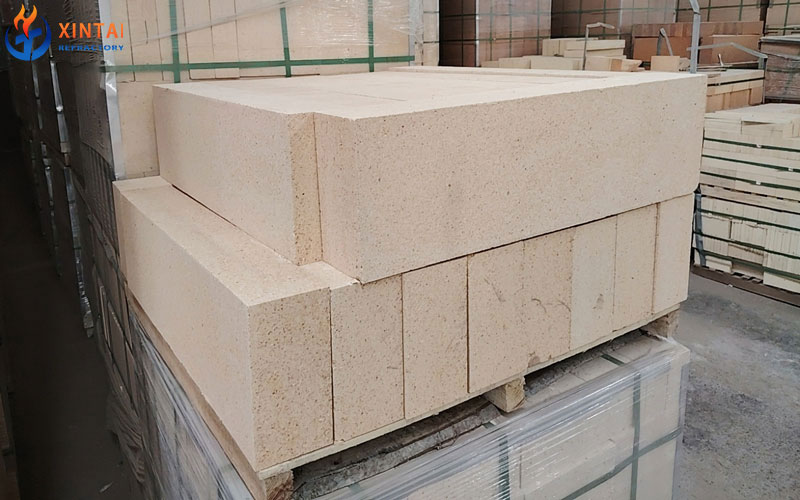
1. Standard Bricks
Standard bricks are the most commonly used type of high-alumina bricks. They have uniform dimensions and a regular rectangular shape, which makes them easy to handle and install. The uniformity allows for consistent thermal performance and ensures a tight fit when laying bricks in furnace walls, floors, and other structures.
Advantages of Standard Bricks:
- Ease of installation due to uniform size.
- Cost-effective for large-scale projects.
- Good structural stability in furnace linings.
Applications:
Standard high-alumina bricks are ideal for areas of the furnace or kiln that do not require special shapes or precise angles. They are widely used in sidewalls, floor linings, and other straightforward parts of industrial furnaces.
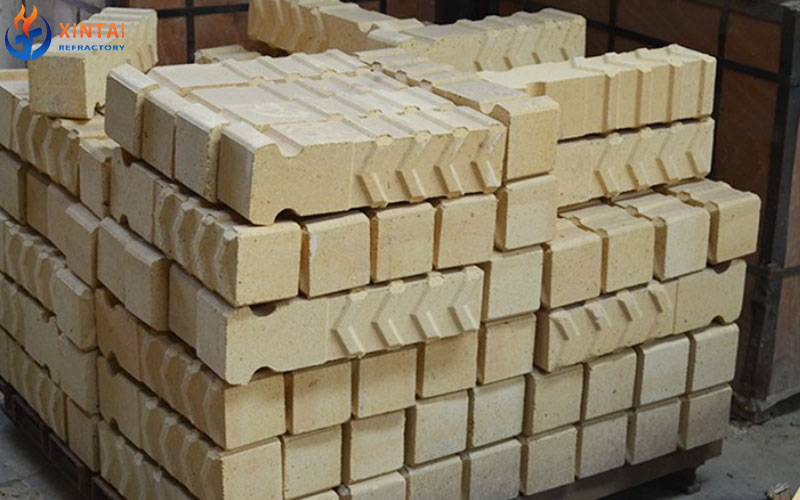
2. High Alumina Chequer Firebricks
High alumina chequer firebricks are designed with a checkered surface to enhance thermal performance and increase surface grip in furnace linings. Their unique design improves heat distribution and provides a strong mechanical interlock, which reduces the risk of brick displacement.
Features:
- High-alumina composition for excellent heat resistance.
- Checkered surface for better bonding and stability.
- Suitable for high-temperature zones in industrial furnaces.
Applications:
Chequer firebricks are commonly used in areas of the furnace where thermal stress is high, such as combustion chambers and sidewalls exposed to intense heat and chemical action.
3. Refractory Anchor Bricks
Refractory anchor bricks are designed to secure refractory linings to the furnace structure. They are critical in maintaining the stability of furnace walls and ensuring that other bricks remain properly aligned under thermal expansion.
Features:
- Durable high-alumina material.
- Designed to work with anchors or fastening systems.
- High mechanical strength to resist displacement.
Applications:
Anchor bricks are used in sidewalls and other high-stress areas of furnaces where secure installation is crucial. They ensure the long-term stability of refractory linings, especially in steelmaking, cement, and power industries.
4. Checker Brick (Holes: 7/19/31/37/65/others)
Checker bricks, often perforated, are designed to allow airflow or improve thermal efficiency. The holes (sizes: 7, 19, 31, 37, 65 mm, or custom) help reduce the weight of the brick and allow for better heat circulation, which enhances furnace efficiency.
Features:
- High-alumina material for thermal and chemical resistance.
- Perforated design for improved heat transfer.
- Available in multiple hole sizes to meet different operational needs.
Applications:
Checker bricks are ideal for use in kilns, combustion chambers, and other areas where heat distribution and airflow are important. The perforations help reduce fuel consumption and improve overall furnace efficiency.
5. Runner Brick
Runner bricks are specifically designed for zones in kilns and furnaces that require guiding or channeling molten material or heat flow. Their shape ensures smooth operation in high-temperature processes.
Features:
- High-alumina composition for excellent resistance to thermal shock.
- Designed to guide material or heat flow efficiently.
- Durable and long-lasting.
Applications:
Runner bricks are often used in cement rotary kilns, steelmaking furnaces, and glass melting furnaces, ensuring smooth material flow and minimizing wear on critical zones.
6. Curved Fire Brick
Curved fire bricks are essential for lining arched or circular furnace structures. Their precision design allows for a tight fit, minimizing gaps and ensuring structural integrity under extreme heat.
Features:
- Pre-formed curves for arches or circular linings.
- High thermal resistance and mechanical strength.
- Helps maintain the shape of complex furnace structures.
Applications:
Curved fire bricks are widely used in rotary kilns, archways, and circular furnace walls, providing consistent heat distribution and reducing thermal stress.
7. Well Block Refractory
Well block refractories are specialized bricks designed for unique furnace zones, including well-shaped cavities or vertical channels. These bricks are engineered to handle high thermal loads while providing structural stability.
Features:
- High-alumina composition for extreme heat resistance.
- Precision shape for well or vertical furnace zones.
- Durable against mechanical wear and chemical attack.
Applications:
Well blocks are used in steelmaking furnaces, cement kilns, and chemical processing furnaces where vertical or recessed zones require specialized lining solutions.
8. Special-Shaped Bricks
Special-shaped high-alumina bricks are designed for unique requirements in specific parts of a furnace or kiln. These bricks go beyond standard dimensions and angles to accommodate complex designs, unusual angles, or structural irregularities. They are typically used when standard or wedge-shaped bricks cannot provide a perfect fit.
Advantages of Special-Shaped Bricks:
- Customizable to meet specific structural requirements.
- Provide excellent thermal and mechanical performance in difficult areas.
- Reduce the need for on-site cutting or modification.
Applications:
Special-shaped bricks are essential in areas with intricate furnace geometries, such as transition zones between different diameters, flue outlets, or complex arch designs. They are particularly useful in high-performance furnaces where uniform heat distribution and precise fitting are crucial.
Conclusion
High-alumina bricks, whether standard, wedge-shaped, special-shaped, or customized, and specialized refractory bricks such as chequer, runner, curved, and well block bricks, are indispensable for maintaining furnace efficiency, durability, and safety. Selecting the appropriate type and shape for each furnace zone is crucial for maximizing heat resistance, structural integrity, and operational longevity. By combining standardized products with customized solutions, industries can optimize furnace performance, reduce maintenance costs, and ensure reliable operation in high-temperature environments across steel, cement, glass, and chemical industries. The right choice of high-alumina and specialized refractory bricks ultimately provides both technical performance and economic benefits.