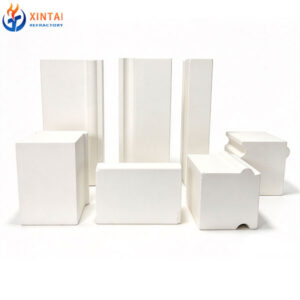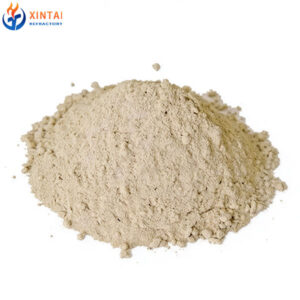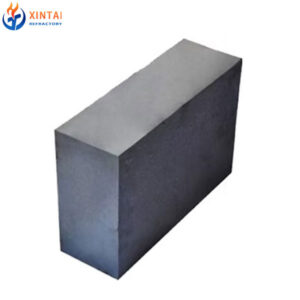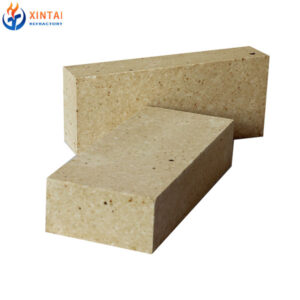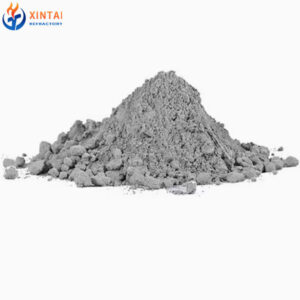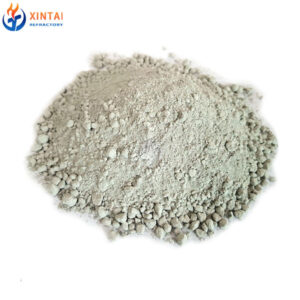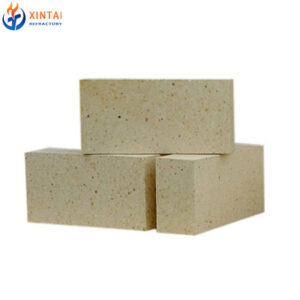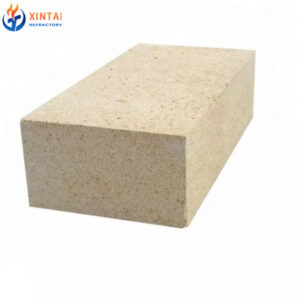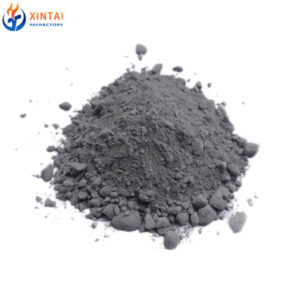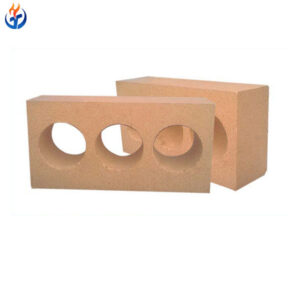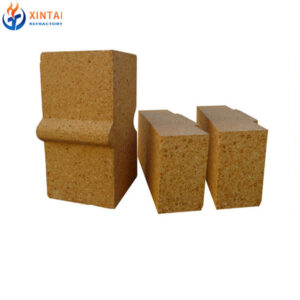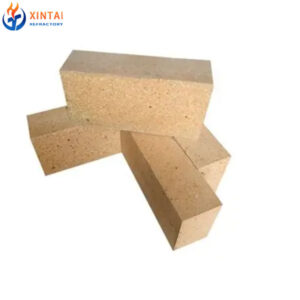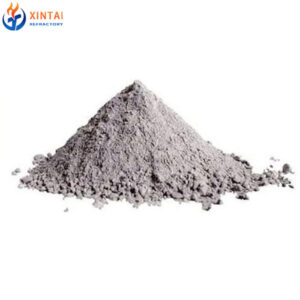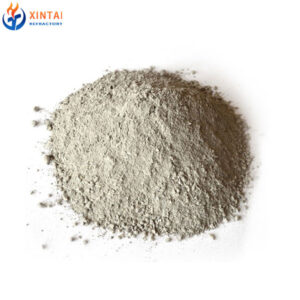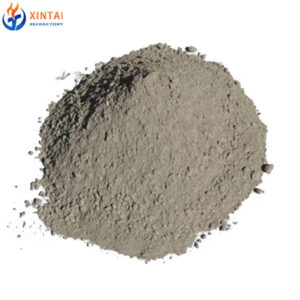
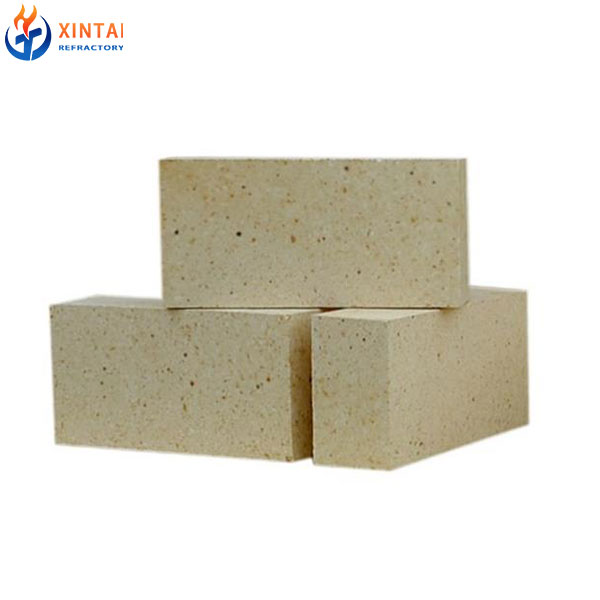
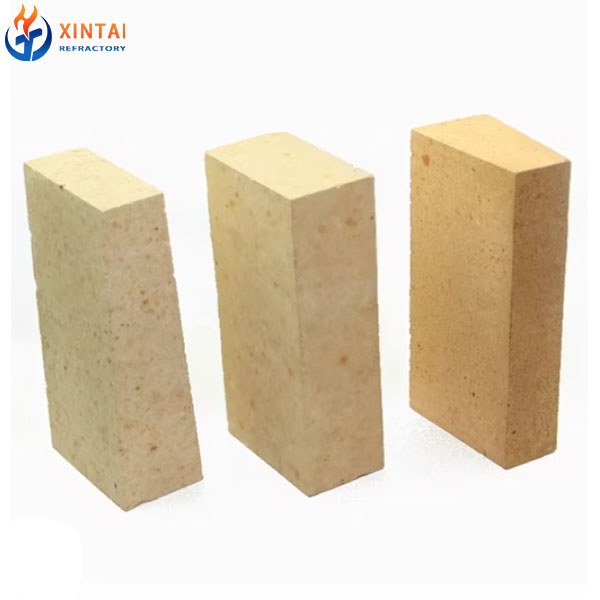
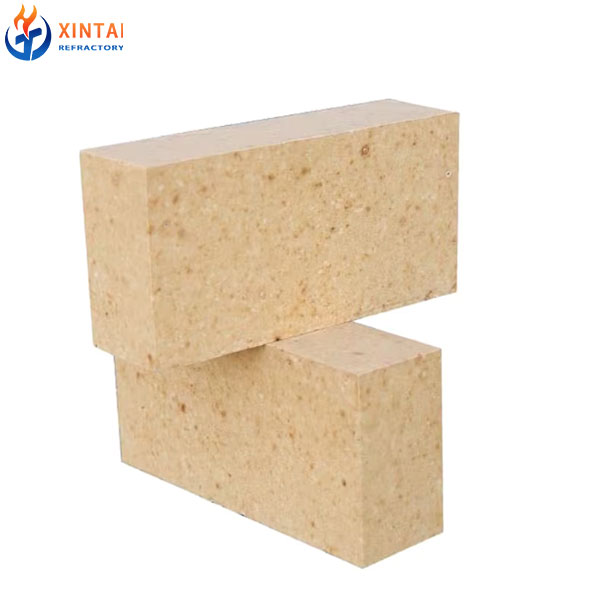
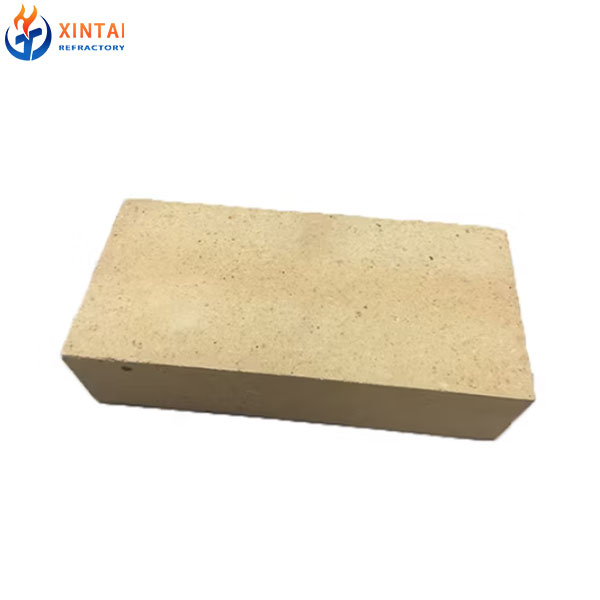
Cement Rotary Kiln Refractory Bricks are designed to protect the internal lining of cement rotary kilns from high temperatures, thermal fluctuations, mechanical wear, and chemical attack. They form an essential protective layer between the kiln shell and the high-temperature processing environment, helping maintain kiln structural integrity and support stable cement production.
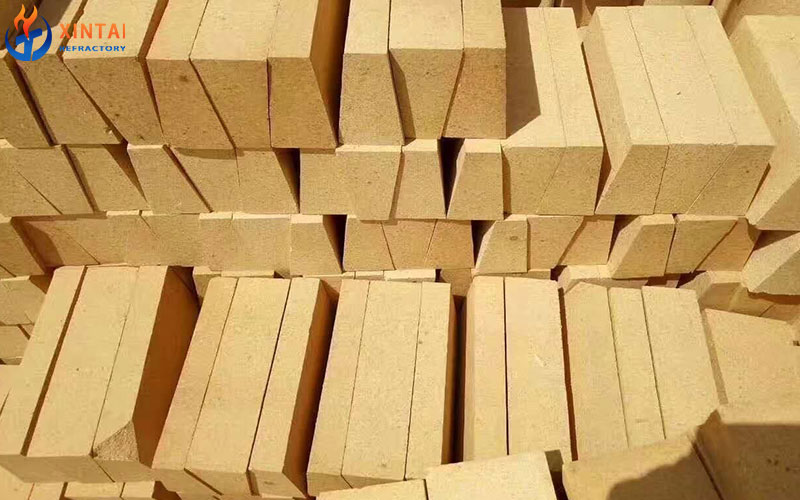
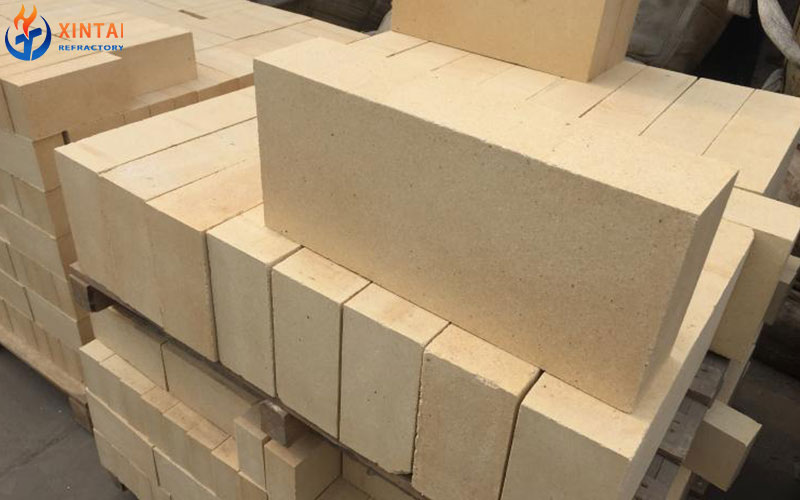
Manufactured from selected refractory raw materials, including bauxite, high-alumina refractory bricks offer good refractoriness, mechanical strength, and resistance to wear under suitable operating conditions. The appropriate refractory grade depends on the kiln’s operating temperature, cement raw material composition, coating conditions, and the specific location within the kiln.
Different sections of a cement rotary kiln experience different thermal and chemical conditions. The burning zone requires refractory materials compatible with high temperatures and cement clinker reactions, while the transition and preheating zones may require different combinations of thermal stability, abrasion resistance, and resistance to chemical attack.
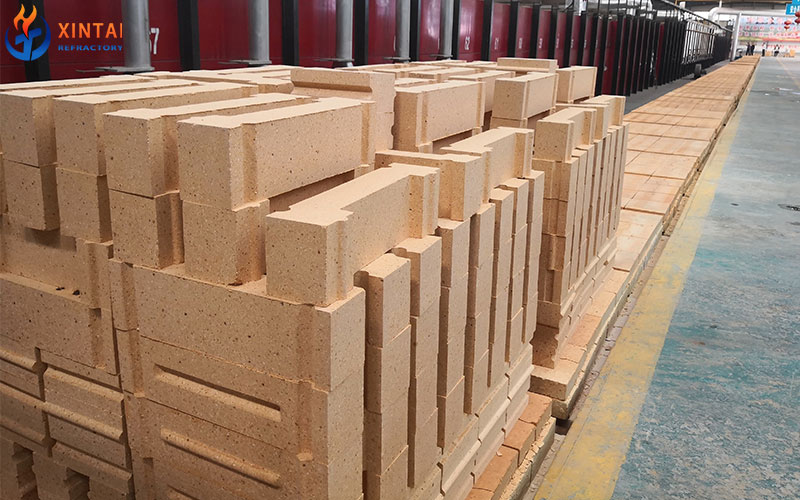
Selecting suitable cement rotary kiln refractory bricks helps reduce premature lining damage, support reliable kiln operation, and manage maintenance requirements. Standard dimensions and customized shapes can be considered according to kiln design, installation drawings, and project specifications.
Physicochemical Parameters
The following table provides the key reference specifications for the specified high-alumina refractory brick. Final values should be confirmed against the manufacturer’s product-specific test report.
Items | High Alumina Bricks | Fireclay Bricks | Mullite Refractory Bricks |
|---|---|---|---|
Al₂O₃ Content, % | 55–80 | 30–45 | 60–75 |
Bulk Density, g/cm³ | 2.3–2.8 | 1.9–2.3 | 2.2–2.7 |
Apparent Porosity, % | 18–26 | 20–28 | 18–25 |
Cold Crushing Strength, MPa | 40–65 | 20–50 | 30–60 |
Refractoriness, °C | 1770–1790 | 1580–1750 | 1700–1790 |
Refractoriness Under Load, °C | Grade-dependent | Grade-dependent | Grade-dependent |
Thermal Shock Resistance | Grade-dependent | Good in suitable grades | Good in suitable grades |
Note: These figures are indicative selection ranges, not guaranteed specifications for every product. Final technical data should be confirmed against the manufacturer’s grade-specific test results and the intended service conditions.
Product Features
- High Refractoriness: With a specified refractoriness of 1770°C–1790°C, these refractory bricks are designed for demanding high-temperature industrial environments. The suitable grade should be selected according to the temperature and service conditions of each kiln zone.
- High Alumina Content: The Al₂O₃ content of ≥80% provides a high-alumina composition suitable for applications requiring good refractoriness and resistance to thermal and chemical stresses.
- Good Mechanical Strength: With a specified cold crushing strength of 65 MPa, the bricks offer mechanical strength to support lining stability under appropriate installation and operating conditions.
- Resistance to Wear: Properly selected refractory bricks help withstand mechanical abrasion from kiln operation and contact with moving raw materials or clinker.
- Chemical Resistance: High-alumina refractory materials can provide resistance to certain chemical environments. Actual resistance to alkalis, clinker, and other kiln deposits depends on the material composition and operating conditions.
- Dimensional Flexibility: Standard and customized sizes can be supplied to accommodate different kiln designs, lining thicknesses, and installation requirements.
- Support for Kiln Maintenance: Selecting the appropriate refractory grade and dimensions helps reduce premature lining deterioration and supports planned maintenance and production continuity.
Applications
Cement rotary kiln refractory bricks are used in cement manufacturing systems and other high-temperature industrial equipment where thermal protection and lining durability are required.
- Cement Rotary Kilns: Used as protective linings in selected kiln sections, depending on refractory grade and operating conditions.
- Kiln Transition Zones: Suitable refractory materials help withstand temperature fluctuations, abrasion, and chemical exposure in transition areas.
- Burning Zones: Refractory materials specifically selected for burning-zone conditions can help resist high temperatures and clinker-related chemical attack. Basic refractory bricks, such as magnesia-based products, may be more appropriate for some burning-zone applications.
- Preheating Systems: Suitable refractory bricks can be used in selected high-temperature sections of preheaters and associated thermal processing equipment.
- Cement Clinker Production Lines: Refractory linings protect kiln structures exposed to hot gases, raw materials, clinker, and repeated thermal cycling.
- Other Industrial Furnaces: Depending on grade and design, high-alumina refractory bricks may also be considered for suitable high-temperature furnace linings in other industries.
Customization Services
We provide customization options for cement rotary kiln refractory bricks to accommodate different equipment designs, operating conditions, and project requirements.
- Material Selection: Refractory material recommendations based on kiln zone, operating temperature, chemical exposure, and mechanical loading.
- Size Customization: Standard dimensions and non-standard sizes manufactured according to drawings or confirmed specifications.
- Special Shapes: Customized refractory shapes for specific lining structures and installation requirements, subject to manufacturing feasibility.
- Technical Specifications: Product selection based on alumina content, bulk density, strength, and other available grade-specific parameters.
- OEM Service: Customized packaging, product identification, and branding options for qualified orders.
- Technical Support: Assistance with refractory selection according to kiln type, lining location, operating conditions, and maintenance requirements.
To help us recommend suitable cement rotary kiln refractory bricks, please provide your kiln type, the intended installation zone, operating temperature, existing refractory specifications, required dimensions, and estimated order quantity.
Packing and Shipping Details
Cement rotary kiln refractory bricks are packed to help protect the products during handling, storage, and international transportation.
- Packaging: Wooden pallets with protective wrapping or other suitable export packaging.
- Loading: Bricks are arranged and secured to facilitate container loading, unloading, and handling.
- Shipping Methods: Sea freight, railway, truck transportation, or air freight, depending on the order size and destination.
- Delivery Time: Confirmed according to product specifications, order quantity, production schedule, and destination.
- Shipping Documents: Commercial invoices, packing lists, and other agreed export documents can be provided.
- Pre-Shipment Inspection: Product dimensions and agreed technical specifications can be checked before dispatch.


About Xintai Refractory
Xintai Refractory is a professional manufacturer of refractory materials with over 20 years of industry experience. We supply refractory bricks, insulating bricks, refractory castables, and other refractory solutions for high-temperature industrial applications.
Our product range serves customers in the cement, steel, glass, ceramics, non-ferrous metal, petrochemical, and power industries. With production capabilities, quality control procedures, and customization options, we support industrial buyers seeking refractory materials suited to their furnace and kiln requirements.
Whether you need cement rotary kiln refractory bricks for maintenance, lining replacement, or a new cement production project, contact our team to discuss your technical requirements and request a quotation.