
High alumina castable is one of the most widely used monolithic refractory materials in modern high-temperature industries. Thanks to its excellent thermal stability, strong mechanical strength, and outstanding resistance to slag and chemical corrosion, it has become a fundamental material in furnace linings and industrial thermal systems.
This article provides a comprehensive overview of the usage scope of high alumina castable, explaining where and why it is used across different industries, and what performance advantages make it indispensable in harsh thermal environments.
1. Overview of High Alumina Castable
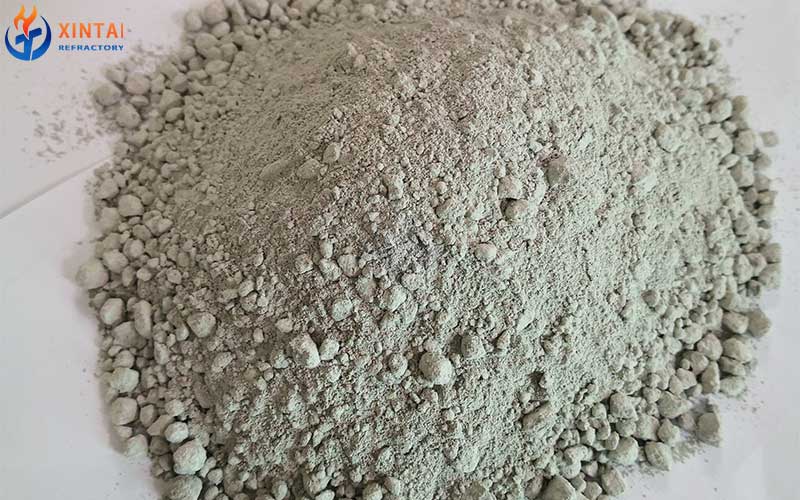
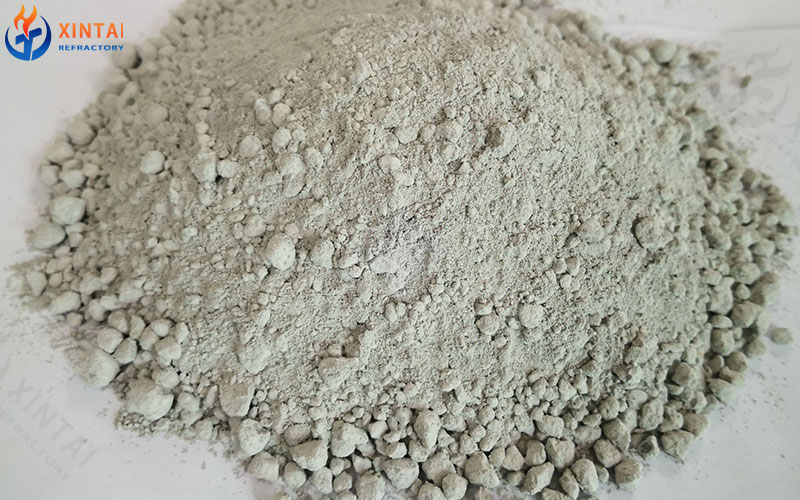
High alumina castable is a type of unshaped refractory material primarily composed of high alumina aggregates, calcium aluminate cement, and fine powders. After mixing with water, it can be poured, vibrated, or pumped into place and then hardened to form a solid refractory lining.
Its performance depends mainly on the Al₂O₃ content, which typically ranges from 45% to over 85%. The higher the alumina content, the better the heat resistance, slag resistance, and mechanical strength.
Key properties include:
- High temperature resistance (up to 1500–1800°C depending on grade)
- Excellent thermal shock resistance
- Strong resistance to abrasion and erosion
- Good volume stability at high temperatures
- Easy installation and repair flexibility
Because of these advantages, it is used in almost all high-temperature industrial furnaces.
2. Usage in the Iron and Steel Industry
The steel industry is the largest application area for high alumina castable. Steel production involves extreme temperatures, molten metal, slag corrosion, and strong mechanical wear, making refractory materials essential.
Main applications include:
- Blast furnace linings (tuyeres, hearth, and shaft areas)
- Hot blast stoves (combustion chamber, dome, and hot air ducts)
- Electric arc furnaces (roof, sidewalls, and slag line repairs)
- Ladles and tundishes (inner lining and impact zones)
- Steel tapping channels and runners
Why it is used here:
Steelmaking environments combine thermal shock and chemical attack. High alumina castable provides:
- Resistance to molten slag penetration
- Stability under rapid heating and cooling cycles
- Long service life under mechanical erosion
It is especially important in ladles and tundishes where steel flow causes severe wear.
3. Application in Cement Industry
Cement production involves rotary kilns and preheating systems that operate continuously at high temperatures. The abrasive nature of raw materials also creates heavy wear conditions.
Typical applications:
- Rotary kiln inlet and outlet zones
- Preheater cyclones and ducts
- Calciner systems
- Cooler lining systems
- Burner pipes and transition zones
Performance requirements:
In cement kilns, refractories must resist:
- Alkali and sulfur compound corrosion
- Dust abrasion from raw meal flow
- Thermal cycling from kiln operation shutdowns
High alumina castable performs well due to its:
- High mechanical strength
- Good resistance to chemical attack
- Stability in oxidizing and reducing atmospheres
4. Application in Glass Industry
Glass manufacturing requires extremely clean and stable refractory linings, as molten glass is highly corrosive and sensitive to contamination.
Main usage areas:
- Glass melting furnace crowns and walls
- Regenerator chambers
- Working end forehearth channels
- Feeders and flow channels
Key advantages:
- Resistance to molten glass erosion
- Low contamination risk
- Good structural integrity at high temperature
High alumina castable is often selected for non-contact or semi-contact zones where durability and stability are required without contaminating the glass melt.
5. Petrochemical and Chemical Industry Applications
In petrochemical plants, furnaces and reactors operate under high temperatures combined with chemical exposure, including hydrocarbons, steam, and corrosive gases.
Common applications:
- Cracking furnaces and reformer linings
- Thermal oxidizers and incinerators
- Reactor vessels and high-temperature ducts
- Burner zones and flue gas systems
Why it is suitable:
High alumina castable offers:
- Excellent resistance to acidic and alkaline gases
- Strong thermal stability under continuous operation
- Resistance to carbon deposition and erosion
This makes it ideal for long-running chemical processing units where shutdowns are costly.
6. Non-Ferrous Metal Industry
Non-ferrous metallurgy involves melting and refining metals such as aluminum, copper, zinc, and lead. These molten metals are highly reactive with refractory materials.
Applications include:
- Aluminum melting and holding furnaces
- Copper smelting furnaces
- Zinc distillation equipment
- Ladles, crucibles, and runners
Performance requirements:
- Resistance to metal penetration
- Chemical inertness to molten alloys
- Thermal shock resistance during pouring cycles
High alumina castable is widely used due to its ability to maintain integrity in direct contact or near-contact with molten metals.
7. Power Generation Industry
Power plants and energy systems rely heavily on high-temperature combustion systems, especially in coal-fired and biomass-fired units.
Applications:
- Boiler combustion chambers
- Cyclone separators in circulating fluidized bed (CFB) boilers
- Ash hoppers and slag discharge zones
- Flue gas ducts and transition areas
Key challenges:
- High velocity particle erosion
- Frequent temperature fluctuations
- Ash and slag chemical corrosion
High alumina castable provides:
- High abrasion resistance
- Structural stability under load
- Long operational life in continuous combustion systems
8. Waste Incineration and Environmental Engineering
Waste-to-energy plants are increasingly important in modern environmental engineering. These systems operate under extremely corrosive and variable conditions due to mixed waste combustion.
Applications:
- Incinerator furnaces
- Secondary combustion chambers
- Waste heat boilers
- Flue gas treatment systems
Working conditions:
- Acidic gas corrosion (HCl, SOx, NOx)
- Abrasive ash particles
- Rapid thermal cycling
High alumina castable is preferred because it provides:
- Strong resistance to acid gases
- Good thermal shock resistance
- High durability in unstable combustion conditions
9. Ceramic and Kiln Industry
Ceramic production involves kiln systems that require consistent high-temperature operation and structural stability.
Applications:
- Tunnel kiln linings
- Shuttle kiln chambers
- Kiln car decks and sidewalls
- Maintenance and repair linings
Benefits:
- Stable performance under repeated heating cycles
- Resistance to deformation at high temperature
- Easy repair and maintenance
High alumina castable is especially valuable for kiln maintenance due to its easy installation and fast curing properties.
Conclusion
The usage scope of high alumina castable spans nearly all high-temperature industrial sectors, including steelmaking, cement production, glass manufacturing, petrochemical processing, non-ferrous metallurgy, power generation, waste incineration, and ceramics.
Its combination of thermal resistance, mechanical strength, and chemical stability makes it one of the most essential refractory materials in modern industry.
As industrial furnaces continue to evolve toward higher efficiency and harsher operating conditions, the demand for high-performance materials like high alumina castable will continue to grow steadily, reinforcing its critical role in global thermal engineering systems.