
The cement industry operates under extremely demanding thermal conditions. From preheaters and calciner systems to rotary kilns and clinker coolers, every section of a cement plant is exposed to high temperatures, thermal shock, mechanical abrasion, alkali attack, and chemical corrosion. Under these conditions, refractory castables play a vital role in ensuring production stability, energy efficiency, and long service life.
Choosing the right refractory castable is not simply about temperature resistance. The selection process must consider operating conditions, furnace structure, raw material chemistry, thermal cycling frequency, installation methods, and maintenance requirements. Improper refractory selection can lead to frequent shutdowns, higher maintenance costs, lower thermal efficiency, and severe production losses.
This article explains how to select suitable refractory castables for different areas of the cement industry, the key performance factors to consider, and the common types of castables used in cement kiln systems.
What Are Refractory Castables?
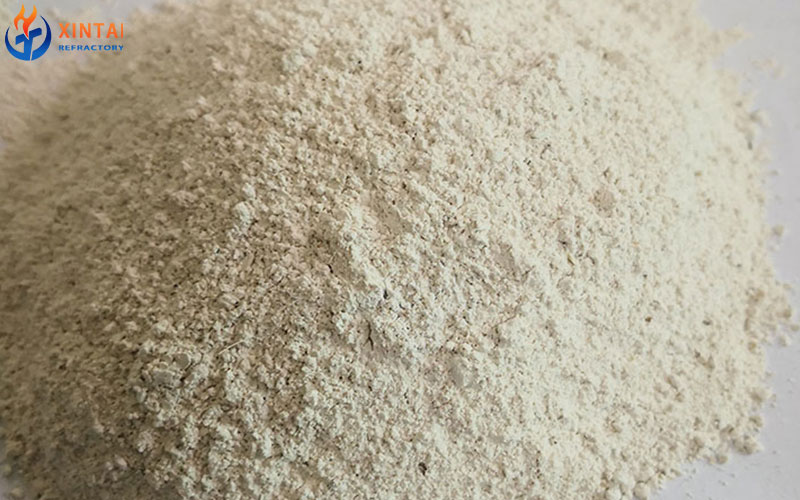
Refractory castables are monolithic refractory materials composed of refractory aggregates, powders, binders, and additives. They are mixed with water or special liquids before installation and can be cast, vibrated, pumped, sprayed, or gunned into place.
Compared with traditional refractory bricks, castables offer several advantages:
- Easier installation
- Faster construction
- Better structural integrity
- Fewer joints
- Good resistance to thermal shock
- Flexible shaping for complex equipment
- Lower maintenance costs
Because modern cement plants increasingly use large-scale continuous production systems, refractory castables have become essential in many high-temperature zones.
Operating Conditions in Cement Plants
High Temperature
Different sections of the cement production line operate at temperatures ranging from 800°C to over 1450°C.
Examples include:
- Preheater: 800–1100°C
- Calciner: 900–1200°C
- Rotary kiln burning zone: 1400–1450°C
- Tertiary air duct: 1000–1200°C
- Clinker cooler: 1200–1400°C
These extreme temperatures require excellent refractoriness and hot strength.
Thermal Shock
Frequent startup and shutdown cycles create rapid temperature changes. Refractory materials must withstand sudden expansion and contraction without cracking or spalling.
Mechanical Abrasion
Raw meal particles, clinker movement, and high-speed gas flow continuously erode refractory linings. Areas such as cyclones, kiln inlets, and coolers experience severe wear.
Chemical Corrosion
Cement kilns contain alkalis, sulfur compounds, chlorides, and other aggressive chemicals. These substances can penetrate and damage refractory structures over time.
Reducing Atmosphere
Certain kiln conditions create oxygen-deficient atmospheres that attack some refractory materials, especially those containing iron oxides.
Main Types of Refractory Castables Used in Cement Plants
Different castable formulations are designed for different working environments.
Low Cement Castable (LCC)
Low cement castables contain reduced calcium aluminate cement content, resulting in:
- Higher density
- Lower porosity
- Better hot strength
- Improved slag resistance
- Better abrasion resistance
LCCs are widely used in cement kiln systems because they provide excellent overall performance.
Applications include:
- Kiln hood
- Cooler lining
- Calciner
- Tertiary air duct
Ultra-Low Cement Castable (ULCC)
Ultra-low cement castables further reduce cement content and improve high-temperature performance.
Advantages include:
- Superior thermal shock resistance
- Excellent corrosion resistance
- Higher refractoriness
- Better volume stability
These are suitable for highly demanding kiln sections.
No Cement Castable (NCC)
No cement castables use alternative bonding systems such as sol-gel technology.
Benefits include:
- Extremely low porosity
- Outstanding chemical resistance
- Excellent high-temperature strength
- Reduced crack formation
They are often used in critical areas requiring long service life.
High Alumina Castable
High alumina castables contain high percentages of Al₂O₃ and offer:
- High refractoriness
- Good abrasion resistance
- Strong thermal stability
They are commonly used in:
- Cyclones
- Kiln inlets
- Calciner sections
- Burner pipes
Mullite Castable
Mullite-based castables provide:
- Excellent creep resistance
- Good thermal shock performance
- Low thermal conductivity
These materials are suitable for high-temperature structural stability.
Silicon Carbide Castable
Silicon carbide castables have exceptional:
- Wear resistance
- Thermal conductivity
- Alkali resistance
They are widely used in clinker cooler systems and abrasion-intensive zones.
Insulating Castables
Insulating castables focus on reducing heat loss rather than resisting severe wear.
Advantages include:
- Lightweight structure
- Energy savings
- Lower shell temperatures
- Improved thermal efficiency
These materials are often used as backup linings.
Key Factors in Selecting Refractory Castables
Choosing the correct refractory castable requires evaluating multiple performance parameters.
Operating Temperature
Temperature is the first selection criterion. The refractory must maintain strength and structural stability at the maximum operating temperature.
For example:
- Moderate temperature zones may use medium-alumina castables
- Burning zones require high-alumina or special high-performance castables
Safety margins are essential to avoid premature failure.
Abrasion Resistance
In areas with heavy material flow or dust circulation, abrasion resistance becomes critical.
High abrasion zones include:
- Cyclone separators
- Tertiary air ducts
- Clinker cooler walls
- Kiln inlet chambers
Silicon carbide and high-density low cement castables are commonly preferred.
Alkali and Chemical Resistance
Cement kilns contain significant alkali vapors and sulfur compounds. Refractories with poor chemical resistance will rapidly deteriorate.
Materials with:
- Low porosity
- Dense microstructure
- High alumina content
generally perform better under alkali attack.
Thermal Shock Resistance
Frequent temperature fluctuations can cause cracking and spalling.
Castables with:
- Controlled thermal expansion
- Flexible microstructure
- Optimized aggregate grading
offer improved resistance to thermal cycling.
Mechanical Strength
High compressive strength and hot modulus of rupture are important in load-bearing areas or high-velocity gas zones.
Strong bonding systems help maintain integrity during long operating campaigns.
Refractory Castable Selection by Cement Plant Area
Different plant sections require different refractory solutions.
Preheater System
Working Conditions
- High dust concentration
- Alkali attack
- Abrasion
- Thermal cycling
Recommended Castables
- High alumina low cement castables
- Abrasion-resistant castables
- Alkali-resistant castables
These materials help resist cyclone erosion and chemical corrosion.
Calciner
Working Conditions
- High temperature
- Reducing atmosphere
- Alkali and sulfur attack
Recommended Castables
- Low cement castables
- Ultra-low cement castables
- Spinel-containing castables
These provide better chemical resistance and thermal stability.
Rotary Kiln Inlet
Working Conditions
- Severe abrasion
- Thermal shock
- Coating instability
Recommended Castables
- High-strength low cement castables
- Silicon carbide castables
- Steel fiber reinforced castables
Steel fibers improve crack resistance and mechanical toughness.
Burning Zone
Working Conditions
- Extremely high temperature
- Clinker coating interaction
- Thermal stress
Although refractory bricks dominate this area, specialized castables may be used in transition sections and repairs.
Recommended materials include:
- High alumina castables
- Spinel castables
- Magnesia-based repair castables
Kiln Hood
Working Conditions
- Rapid temperature fluctuation
- Flame radiation
- Clinker impact
Recommended Castables
- Steel fiber reinforced low cement castables
- High-strength abrasion-resistant castables
These materials offer durability under mechanical and thermal stress.
Clinker Cooler
Working Conditions
- Abrasion from hot clinker
- Thermal shock
- High airflow erosion
Recommended Castables
- Silicon carbide castables
- Abrasion-resistant low cement castables
- Wear-resistant insulating castables
These improve service life in highly erosive conditions.
Conclusion
The selection of refractory castables for the cement industry is a highly technical process that directly affects kiln stability, energy efficiency, maintenance costs, and equipment lifespan.
No single refractory castable is suitable for every section of a cement plant. Each area faces unique combinations of temperature, abrasion, chemical attack, and thermal stress. Therefore, successful refractory selection requires a detailed understanding of operating conditions and material performance characteristics.
Modern cement plants increasingly rely on advanced low cement, ultra-low cement, silicon carbide, and high alumina castables to achieve longer service life and higher operational reliability. Proper installation, drying, and maintenance are equally important for maximizing refractory performance.
As cement production technology continues to advance, refractory castables will remain a critical component in improving productivity, reducing downtime, and supporting sustainable industrial development.