
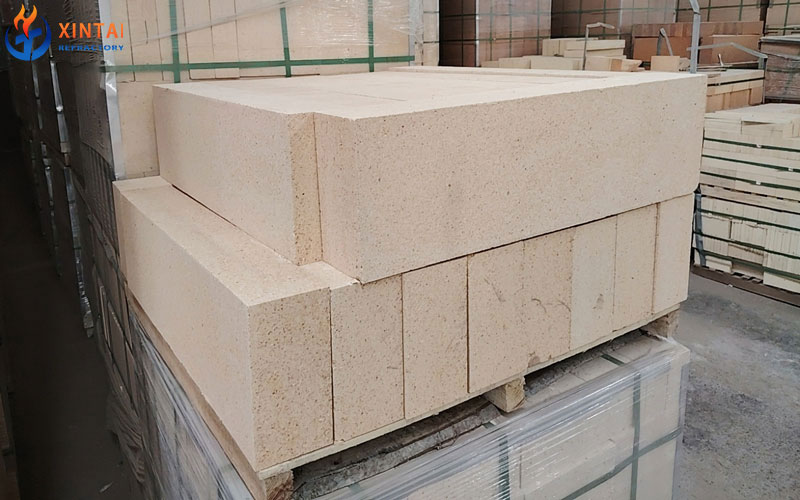
Steel production is one of the most energy-intensive and high-temperature industrial processes in the world. To maintain operational efficiency, reduce maintenance costs, and ensure safety, steel plants rely heavily on high-quality refractory materials. These materials are critical for lining furnaces, ladles, converters, and other equipment where molten steel is processed. A comprehensive steel plant refractory package typically includes refractory bricks, castables, and insulation materials, providing full protection against extreme heat, chemical corrosion, and mechanical wear.
In this article, we explore the components, advantages, and applications of a complete refractory package designed for modern steel plants, helping plant operators and engineers make informed decisions about their refractory solutions.
Understanding Steel Plant Refractory Materials
Refractory materials are specially engineered to withstand high temperatures, thermal shock, mechanical stress, and chemical attack. In a steel plant, these materials are used in furnaces, ladles, tundishes, and other components exposed to molten steel, slag, and extreme heat. Without reliable refractory linings, equipment can deteriorate rapidly, leading to costly downtime, lower efficiency, and potential safety hazards.
A typical steel plant refractory package consists of three main types of materials:
- Refractory Bricks
- Refractory Castables
- Insulation Materials
Each plays a critical role in protecting steel plant equipment and ensuring consistent steel quality.
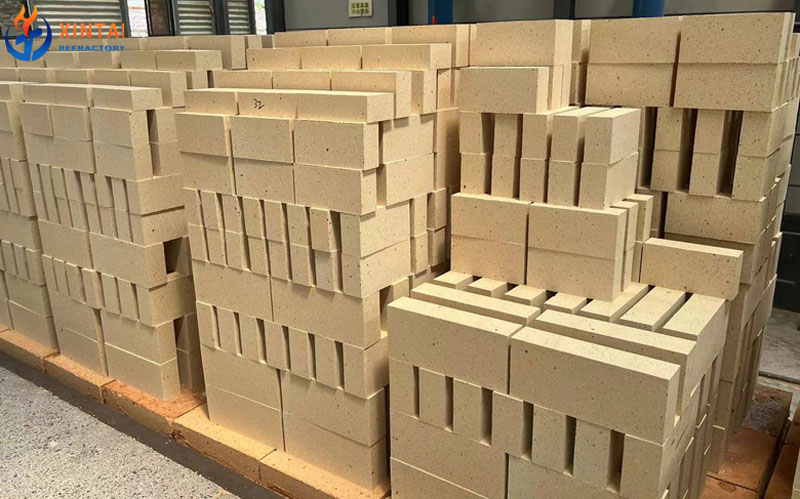
Refractory Bricks: The Backbone of Steel Plant Linings
Refractory bricks are pre-shaped materials made from fire-resistant substances like magnesia, alumina, silica, or spinel. They are designed to withstand extreme temperatures and provide structural integrity to furnace linings.
Types of Refractory Bricks for Steel Plants
- Magnesia Bricks (MgO): Ideal for basic oxygen furnaces (BOF) and electric arc furnaces (EAF). They resist chemical corrosion from slag and molten steel.
- Alumina Bricks (Al₂O₃): Provide excellent mechanical strength and wear resistance. Suitable for high-temperature zones.
- Spinel Bricks: Composed of magnesium aluminate, these bricks combine corrosion resistance and thermal shock resistance.
- Fireclay Bricks: Cost-effective for less critical zones of the furnace, offering moderate temperature resistance.
Benefits of Using Refractory Bricks
- High thermal stability ensures consistent furnace operation.
- Excellent resistance to chemical attack from slag and molten steel.
- Durable mechanical strength extends the service life of linings.
- Custom shapes and sizes allow precise installation in complex furnace designs.
Refractory bricks are essential for areas experiencing intense mechanical wear and thermal stress. Selecting the right type of brick ensures durability and minimizes maintenance costs.
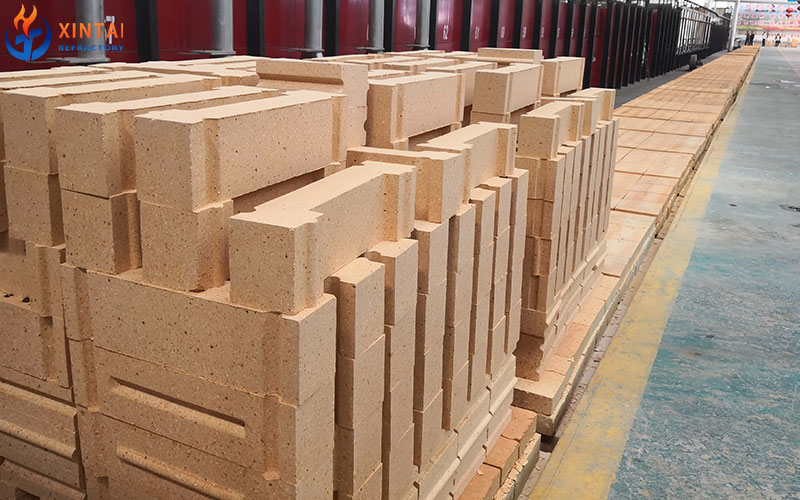
Refractory Castables: Versatile and Efficient
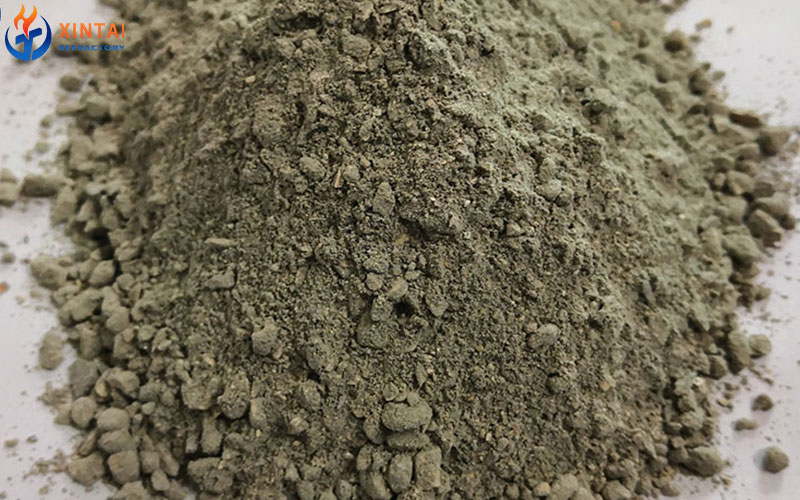
Refractory castables are unshaped materials that can be poured, molded, or gunned in place to form seamless linings. They are made from aggregates, binders, and additives tailored for specific temperature ranges and chemical exposures.
Advantages of Refractory Castables
- Flexibility in Application: Castables can be applied in areas where bricks cannot fit, such as complex geometries, corners, and transitions.
- Seamless Lining: Unlike bricks, castables form a monolithic lining without joints, reducing wear from thermal cycling and chemical attack.
- Rapid Installation: Modern castables allow fast installation with minimal downtime.
- High Performance: With additives, castables can withstand temperatures exceeding 1,800°C, resist slag penetration, and maintain mechanical strength.
Applications in Steel Plants
- Furnace Floors and Walls: Castables can line furnace floors for electric arc and induction furnaces.
- Tundishes and Ladles: Monolithic castables provide corrosion resistance and thermal stability in molten steel transfer.
- Runners and Tap Holes: Castables offer precision lining for steel flow channels and tapping areas, improving operational efficiency.
Castables are often used alongside refractory bricks, combining structural stability with seamless, high-performance protection in critical zones.
Insulation Materials: Enhancing Energy Efficiency
In addition to bricks and castables, insulation materials are a vital part of a steel plant refractory package. While bricks and castables provide structural and chemical protection, insulation materials reduce heat loss, enhance energy efficiency, and protect surrounding structures.
Common Insulation Materials
- Ceramic Fiber Blanket: Lightweight and flexible, ideal for furnace doors, roofs, and side walls.
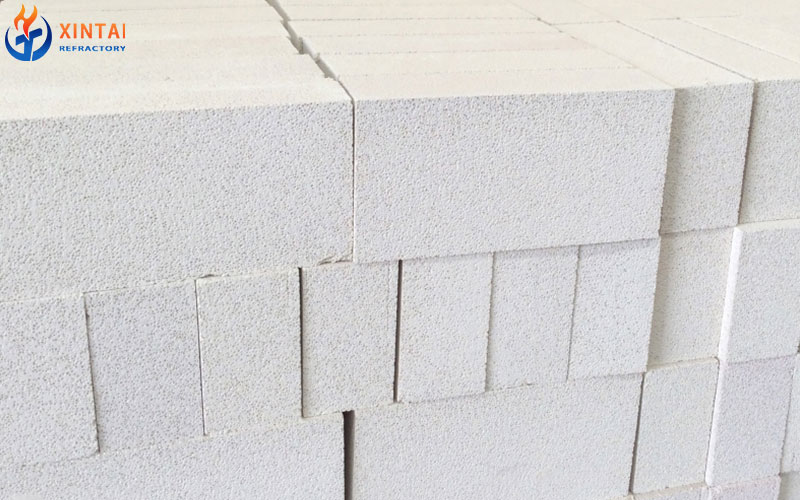
- Insulating Firebricks: Lower density bricks with thermal insulation properties, reducing heat transfer.
- Refractory Boards and Panels: Prefabricated panels for specialized furnace zones, offering easy installation and maintenance.
Benefits of Insulation
- Reduces energy consumption by minimizing heat loss.
- Protects outer steel shell and equipment from thermal damage.
- Enhances the overall performance and service life of the refractory lining.
- Improves safety by lowering surface temperatures.
Insulation is essential for steel plants aiming to optimize energy costs while maintaining high-temperature performance.
Advantages of a Complete Steel Plant Refractory Package
Purchasing a full steel plant refractory material package provides several key benefits for plant operators:
- Integrated Solution: Combining bricks, castables, and insulation ensures consistent quality and compatibility between materials.
- Reduced Downtime: Properly designed refractory packages minimize maintenance intervals and unexpected failures.
- Enhanced Steel Quality: Consistent furnace conditions reduce impurities and improve the overall quality of steel.
- Cost Efficiency: Buying a complete package often reduces procurement complexity and cost compared to sourcing individual components separately.
- Technical Support: Reputable refractory suppliers provide design recommendations, installation guidelines, and on-site support to optimize performance.
Key Considerations When Selecting Steel Plant Refractory Materials
Choosing the right refractory materials is critical for both performance and cost-effectiveness. Here are some factors to consider:
- Operating Temperature: Materials must withstand the maximum furnace temperature without deformation or degradation.
- Chemical Compatibility: Refractory materials should resist corrosion from slag, molten steel, and gases.
- Thermal Shock Resistance: Frequent heating and cooling cycles require materials that resist cracking or spalling.
- Mechanical Strength: Materials must endure abrasion from steel movement and mechanical impact.
- Installation Requirements: Consider whether prefabricated bricks, castables, or a combination is more practical for your plant.
Applications of Steel Plant Refractory Packages
Basic Oxygen Furnace (BOF)
BOFs process molten iron with oxygen to reduce carbon content and produce steel. Linings in these furnaces face extreme chemical corrosion and mechanical wear. Magnesia bricks combined with monolithic castables provide the ideal solution, while insulation reduces energy loss.
Electric Arc Furnace (EAF)
EAFs melt scrap steel using electric arcs. High-temperature zones and thermal cycling make refractory performance crucial. High-alumina bricks, spinel bricks, and gunning castables ensure durability and thermal stability.
Ladles and Tundishes
Molten steel transfer requires linings that resist chemical attack and maintain uniform temperature. Monolithic castables and insulating layers enhance operational efficiency and reduce metal loss.
Continuous Casting Machines
Runners and molds in continuous casting machines experience erosion and heat stress. Using high-quality refractory bricks and castables ensures smooth metal flow and minimizes contamination.
Why Choose a Trusted Refractory Supplier
Partnering with a reliable supplier ensures that your steel plant refractory materials meet international standards, perform under extreme conditions, and are delivered on schedule. A trusted supplier offers:
- Custom design for specific furnace types.
- High-quality raw materials with consistent specifications.
- Technical consultation and after-sales support.
- Global shipping and logistical solutions for steel plants of all sizes.
A dependable supplier helps minimize operational risks, optimize refractory performance, and maintain steady steel production.
Conclusion
A comprehensive steel plant refractory material package—including bricks, castables, and insulation—is essential for modern steel production. Each component serves a specific purpose: bricks provide structural strength, castables offer flexibility and seamless protection, and insulation ensures energy efficiency.
Selecting high-quality materials, tailored to furnace requirements and operating conditions, extends equipment life, reduces maintenance costs, and improves steel quality. Steel plants investing in complete refractory solutions benefit from integrated support, optimized performance, and long-term operational savings.
With careful planning, professional installation, and regular maintenance, a complete refractory package becomes an indispensable part of safe, efficient, and cost-effective steel production.