
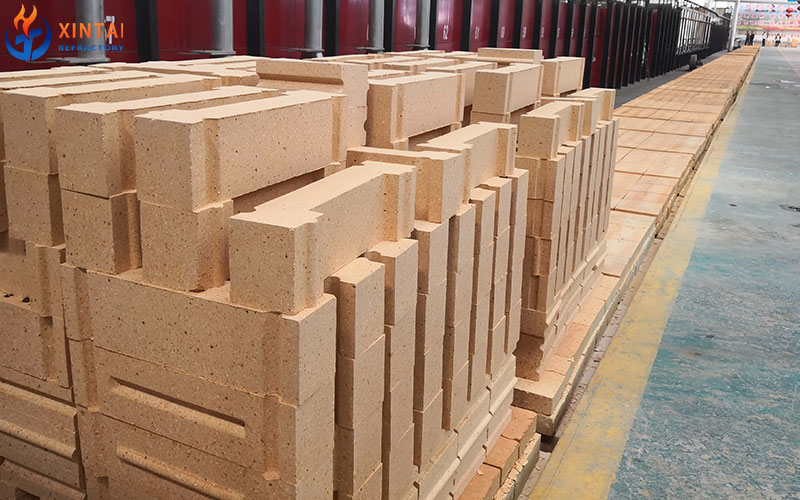
High alumina refractory bricks are widely recognized for their superior heat resistance, abrasion resistance, and acid-base corrosion resistance. These characteristics make them an essential material in various high-temperature industrial applications, particularly in boilers. In this article, we will explore the types of boilers where high alumina refractory bricks are used and the specific parts of the boiler where they are applied. Additionally, we will discuss the benefits and advantages of using these bricks in boiler construction.
Introduction to High Alumina Refractory Bricks
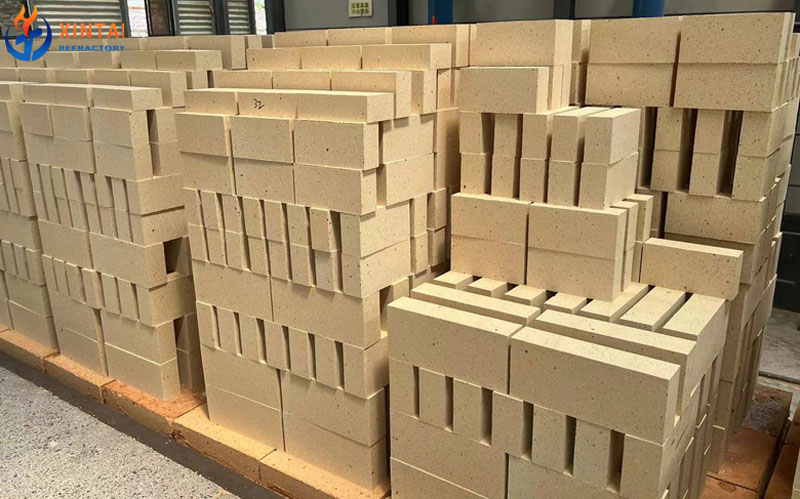
High alumina refractory bricks are made from raw materials that contain more than 48% alumina (Al₂O₃). The high alumina content gives these bricks excellent properties that make them highly effective in extreme thermal conditions. These properties include high thermal stability, resistance to thermal shock, and the ability to withstand a wide range of temperatures, making them suitable for use in high-temperature industrial processes.
As a result, high alumina bricks are used extensively in various industrial furnaces and boilers, where they provide structural integrity and protection against the harsh operating conditions within these systems.
Types of Boilers Using High Alumina Refractory Bricks
High alumina refractory bricks are applied to several types of boilers, each requiring specific heat-resistance properties. Below, we will highlight the main types of boilers that utilize these bricks.
2.1 Hot Air Stoves
Hot air stoves, often found in the metallurgical industry, require high-temperature materials to maintain optimal heat conditions. These stoves are crucial for heating air that is then used for combustion in blast furnaces.
High alumina refractory bricks are used in several areas of hot air stoves, such as:
- Roof: The roof of a hot air stove is subject to extreme heat, and high alumina bricks are used to line it to protect it from direct exposure to the high-temperature gases.
- Walls: The walls of the hot air stove are also lined with high alumina bricks to help maintain internal temperatures and prevent heat loss.
- Combustion Chamber: In the combustion chamber, high alumina bricks are used to withstand the high temperatures generated during the combustion process, ensuring that the stove operates efficiently.
High alumina bricks used in hot air stoves improve heat retention and operational efficiency, reducing fuel consumption and maintaining a consistent air temperature for the furnace.
2.2 Industrial Boilers
Industrial boilers are widely used in power plants, chemical factories, and other industrial settings. These boilers can be steam boilers, hot water boilers, or other types designed to provide heat for various processes. High alumina bricks play a vital role in the construction and maintenance of these boilers.
- Internal Linings: High alumina refractory bricks are used as the internal lining of industrial boilers. These bricks protect the boiler’s structural components from the high-temperature gases produced during combustion.
- Flue Gas Passage: The flue gas passage in industrial boilers is often subject to intense heat and corrosive gases. High alumina bricks line these areas to ensure the boiler operates smoothly and to prevent any degradation of the system.
- Smoke Chambers: The smoke chamber, located at the exhaust end of the boiler, is also a critical area that requires protection. High alumina bricks are used here to prevent heat loss and protect the boiler from corrosion due to acidic gases.
High alumina refractory bricks in industrial boilers offer advantages such as improved thermal insulation, enhanced energy efficiency, and reduced wear on the system over time.
2.3 Specialty Boilers
Certain specialty boilers, such as gasification furnaces, conversion furnaces, and high-temperature incinerators, require specific properties from refractory materials due to their unique operating environments. High alumina refractory bricks are ideal for these applications because they can withstand extreme temperatures and highly corrosive conditions.
- Gasification Furnaces: In gasification furnaces, where coal or other solid fuels are converted into gas, high alumina bricks are used in areas exposed to both high temperatures and high chemical corrosion. These bricks are used in the furnace lining to ensure the proper operation of the system.
- Conversion Furnaces: Conversion furnaces used in the production of steel or other metals require high-temperature resistance. High alumina bricks provide the necessary insulation and protection to ensure that the furnace maintains consistent temperatures during operation.
- Incinerators: High alumina refractory bricks are commonly used in incinerators to handle the high heat generated during waste disposal. Their resistance to high temperatures and chemical attack makes them a reliable choice for this application.
In these specialty applications, high alumina bricks provide long-term durability, enhancing the overall efficiency and lifespan of the equipment.
Benefits of Using High Alumina Refractory Bricks in Boilers
High alumina refractory bricks offer several key advantages when used in boilers. These benefits are the main reasons why they are widely used in industries where high temperatures and durability are paramount.
3.1 High-Temperature Resistance
One of the primary reasons for using high alumina refractory bricks in boilers is their ability to withstand extreme temperatures. These bricks can handle temperatures up to 1750°C, making them suitable for the high-heat environments found in boilers. This high-temperature resistance ensures that the bricks will not degrade or lose their structural integrity under the intense heat conditions found in industrial boilers.
3.2 Wear Resistance
Boilers are subjected to harsh conditions, including constant exposure to abrasive materials, such as dust, soot, and other particulate matter. High alumina refractory bricks have excellent wear resistance, which helps extend the life of the boiler and reduces the need for frequent repairs or replacements.
3.3 Acid and Alkali Corrosion Resistance
High alumina refractory bricks also offer superior resistance to both acidic and alkaline corrosion, which is critical in many industrial applications. In boilers, where combustion gases often contain acidic compounds, these bricks provide a durable solution to prevent damage and maintain optimal performance.
3.4 Ease of Construction and Maintenance
High alumina refractory bricks are easy to handle during construction and maintenance. Their excellent bonding properties allow them to be securely fixed in place, reducing the chances of detachment or degradation. Additionally, the bricks’ resistance to spalling ensures that they remain intact for long periods, minimizing downtime and maintenance costs.
3.5 Improved Boiler Efficiency
By offering superior insulation and heat retention, high alumina refractory bricks improve the overall efficiency of a boiler. They help retain heat within the system, reducing energy consumption and improving the thermal efficiency of the entire process.
Conclusion
High alumina refractory bricks are a critical component in the construction and maintenance of various types of boilers. Whether used in hot air stoves, industrial boilers, or specialty furnaces, these bricks provide excellent protection against high temperatures, wear, and corrosion. Their superior thermal insulation and durability ensure that boilers operate efficiently and have a longer service life, making them an essential material for high-temperature industrial applications.
As industrial technologies continue to evolve, the role of high alumina refractory bricks in improving boiler performance will continue to be a key factor in enhancing the reliability and efficiency of these systems. Whether in power generation, chemical processing, or waste management, high alumina refractory bricks are an indispensable material in the modern industrial landscape.