
Boilers operate under demanding thermal conditions, where refractory materials must withstand high temperatures, thermal cycling, mechanical impact, abrasion, and chemical exposure. A suitable refractory lining helps protect boiler components, maintain heat efficiency, reduce heat loss, and extend service life. Among the materials used for boiler lining and repair, castable refractories are widely selected because they can be installed in different shapes and adapted to complex furnace structures.
Choosing the right castable refractory for boiler applications requires more than simply selecting a material with a high maximum service temperature. Boiler designers, maintenance teams, and refractory buyers need to consider the operating temperature, fuel type, abrasion level, installation method, lining thickness, chemical environment, and the specific location where the material will be installed.
What Is Boiler Refractory Castable?
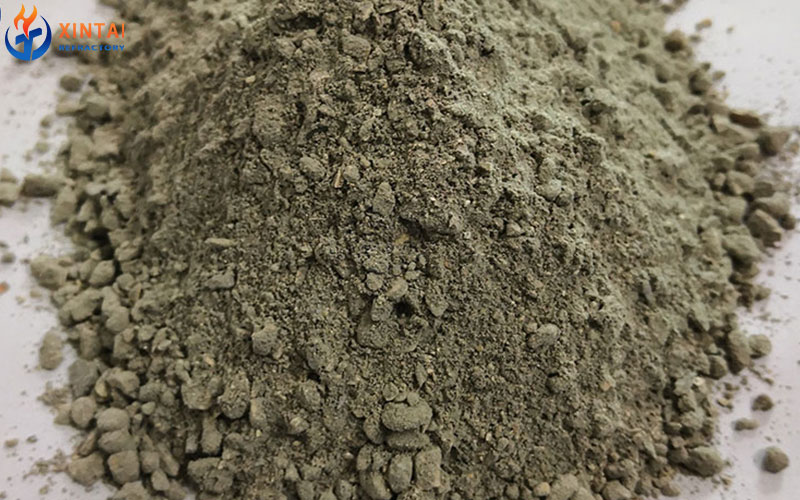
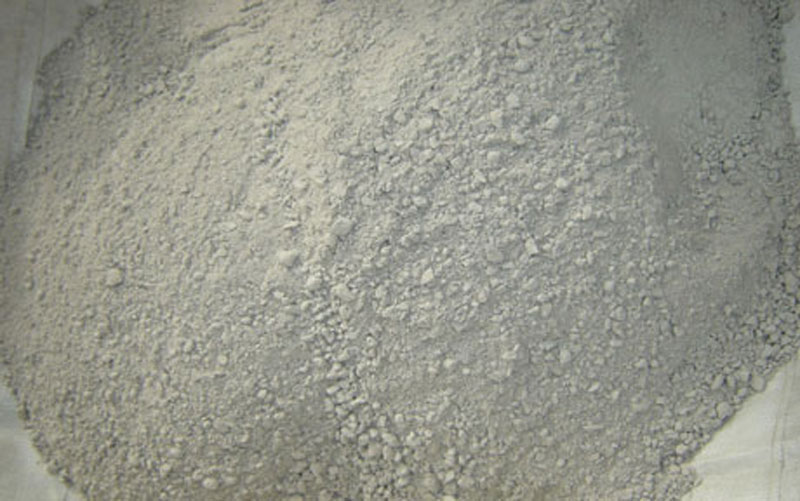
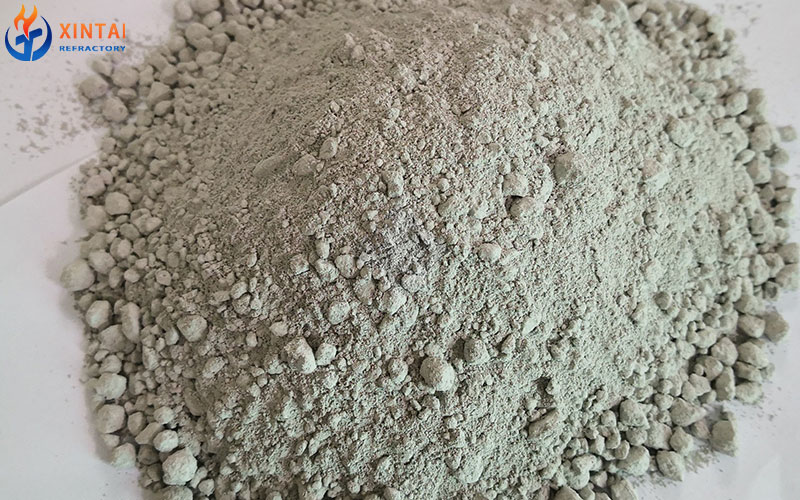
Refractory castable is an unshaped refractory material generally supplied as a dry mixture that is combined with water or another specified liquid before installation. Depending on the formulation, it may contain refractory aggregates, fine powders, binders, additives, and other components designed to provide specific thermal and mechanical properties.
Unlike traditional refractory bricks, castables can be poured, rammed, pumped, or gunned into place. This makes them particularly useful for boiler areas with irregular geometries, complicated structures, or large surfaces.
After installation and proper curing and dry-out, the castable forms a solid refractory lining. Different formulations can provide resistance to high temperatures, abrasion, thermal shock, erosion, or chemical attack.
For industrial boilers, castables are commonly used in combustion chambers, furnace walls, burner areas, cyclone components, ash-related zones, and other locations exposed to heat and mechanical wear.
Main Types of Boiler Refractory Castables
There is no single castable suitable for every boiler application. Different operating environments require different material characteristics. The main categories include conventional castables, low-cement castables, ultra-low-cement castables, high-alumina castables, and abrasion-resistant formulations.
1. Conventional Refractory Castables
Conventional castables use hydraulic cement as a major binder and are relatively straightforward to mix and install. They can provide good mechanical strength and adequate resistance to high temperatures for many general-purpose applications.
They are often considered for boiler areas where extreme thermal or abrasion resistance is not the primary requirement. Their relatively simple installation process can also make them practical for maintenance and repair work.
However, conventional castables may have higher porosity and water demand than more advanced low-cement formulations. For applications requiring lower permeability, higher strength, or better thermal performance, other castable technologies may be more appropriate.
2. Low-Cement Castables
Low-cement castables contain a reduced amount of cement compared with conventional formulations. Their optimized particle-size distribution allows the material to achieve dense packing while reducing the amount of water needed during installation.
This can result in lower porosity, higher density, improved strength, and better resistance to penetration by gases or molten materials.
Low-cement castables are widely considered for demanding boiler environments where the refractory lining must withstand repeated heating and cooling cycles. Their performance can be particularly useful in areas exposed to mechanical stress and elevated temperatures.
3. High-Alumina Castables
High-alumina castables use alumina-rich raw materials to provide high-temperature performance and good resistance to chemical and mechanical attack.
They are commonly considered for boiler components exposed to severe thermal conditions. Depending on the formulation and alumina content, these materials can offer different levels of refractoriness, hot strength, abrasion resistance, and thermal stability.
When selecting a high-alumina formulation, buyers should not evaluate alumina content alone. The aggregate type, binder system, additives, particle distribution, bulk density, porosity, and service conditions all influence actual performance.
4. Abrasion-Resistant Castables
Some boiler systems expose refractory linings to intense particle movement. This is particularly important in circulating fluidized bed and other systems where solid fuel particles, ash, and combustion products can continuously impact refractory surfaces.
Abrasion-resistant castables are designed to withstand this mechanical wear. They may use carefully selected hard aggregates and a dense microstructure to reduce material loss.
For these applications, simply choosing a high-temperature refractory is not enough. A material with excellent refractoriness but insufficient abrasion resistance may deteriorate rapidly under continuous particle impact.
5. Insulating Castables
Insulating castables are designed primarily to reduce heat transfer rather than provide maximum mechanical strength. They generally have lower density and higher porosity than dense refractory castables.
They may be used as backup insulation or in selected areas where thermal insulation is more important than resistance to severe mechanical wear.
In a multilayer boiler lining, an insulating castable may work together with a dense hot-face refractory. The combination can reduce heat loss while allowing the hot-face layer to withstand direct exposure to combustion conditions.
Where Are Castables Used in Boilers?
The appropriate refractory material depends heavily on the installation location. Different sections of a boiler can experience significantly different operating conditions.
Combustion Chamber
The combustion chamber is exposed to high temperatures and direct contact with flames and combustion gases. Refractory materials installed in this area need suitable thermal resistance and adequate resistance to thermal cycling.
In some boilers, the refractory must also tolerate ash deposits and chemical components generated during combustion.
Furnace Walls
Furnace walls may require refractory protection against heat, erosion, and mechanical damage. The required material depends on the boiler design and whether the refractory serves as a primary hot-face lining, protective layer, or repair material.
Burner Areas
Burner zones can experience localized high temperatures and intense thermal fluctuations. A suitable refractory should maintain its integrity under repeated heating and cooling while resisting thermal shock.
Cyclones and Particle-Rich Areas
In fluidized-bed boiler systems, cyclone components and other particle-rich zones can experience substantial abrasion. Here, abrasion resistance becomes one of the most important selection criteria.
A dense castable with appropriate wear resistance can help protect the underlying structure and reduce the frequency of refractory repairs.
Ash and Slag-Exposed Areas
Ash and slag can chemically interact with refractory materials. Depending on the fuel and combustion process, the lining may need resistance to alkali compounds, sulfur-containing substances, or other aggressive components.
Material compatibility should therefore be assessed based on the actual fuel and ash chemistry rather than relying only on general temperature ratings.
Key Factors When Selecting Castable Refractory for Boiler
Selecting the right castable refractory for boiler applications should begin with the actual operating conditions rather than the product name.
Operating Temperature
The maximum operating temperature is one of the first parameters to evaluate. However, the continuous service temperature and temperature fluctuations are often more important than the material’s laboratory refractoriness.
A material should be selected with sufficient performance margin for the actual operating environment.
Abrasion Level
If fuel particles or ash continuously impact the refractory surface, abrasion resistance becomes critical. This is especially important in circulating and fluidized-bed boiler systems.
Ask the refractory supplier for relevant abrasion or wear data when the application involves significant particle movement.
Thermal Shock
Boilers may undergo repeated startup and shutdown cycles. Rapid changes in temperature can create thermal stresses that lead to cracking or spalling.
Where frequent thermal cycling occurs, a formulation with suitable thermal shock resistance should be considered.
Chemical Environment
Fuel composition can significantly affect refractory service life. Coal, biomass, waste-derived fuels, and other fuels can produce different ash chemistries.
Before selecting a refractory, it is useful to evaluate the chemical composition of fuel ash and deposits. This can help identify potential reactions between the refractory and operating environment.
Installation Method
Castables may be installed by casting, pumping, vibration casting, ramming, or other methods depending on the formulation and project requirements.
The selected product should be compatible with the available installation equipment and workforce. Mixing ratio, water addition, curing time, and dry-out procedures should also be clearly specified.
Mechanical Strength
Cold crushing strength and related mechanical properties can provide useful information about the material’s ability to withstand handling and physical loads.
However, room-temperature strength alone should not determine product selection. Hot strength and resistance to actual operating stresses are also important.
Bulk Density and Porosity
Dense castables generally provide better resistance to penetration and mechanical wear, while lightweight insulating castables are designed to reduce heat transfer.
The required density should therefore be determined according to the role of the refractory layer.
Conclusion
Selecting the appropriate castable refractory for boiler systems requires a comprehensive evaluation of temperature, abrasion, thermal cycling, chemical exposure, mechanical stress, and installation conditions. Conventional castables may be suitable for general applications, while low-cement, high-alumina, abrasion-resistant, or insulating formulations can provide more specialized performance.
The most effective approach is to match the refractory formulation to the specific operating zone rather than selecting a product based solely on its maximum temperature rating. Proper mixing, installation, curing, and controlled dry-out are equally important for achieving the expected service life.
For boiler manufacturers, maintenance contractors, power plants, and industrial refractory buyers, working with a refractory supplier that can provide technical data, application guidance, and customized formulations can help reduce refractory failure and maintenance frequency. A properly selected and installed refractory lining can provide reliable protection for boiler structures while supporting stable and efficient long-term operation.