
Refractory castables play a critical role in high-temperature industrial applications. They not only provide a reliable refractory lining for furnaces but also extend equipment life and improve production efficiency. With the rapid development of industries such as steel, glass, cement, non-ferrous metals, and ceramics, refractory castables have been optimized to meet different operational demands. This article explores the main types of refractory castables and their industrial applications, providing a detailed reference for designers and engineers.
1. High-Strength, Fast-Setting, Wear-Resistant Castables
High-strength, fast-setting, wear-resistant castables combine rapid hardening with high mechanical strength, making them ideal for areas that require quick repairs and extreme wear resistance.
Key Features:
- Rapid Setting: Minimizes downtime and increases production efficiency.
- High Wear Resistance: Maintains structural integrity under abrasive conditions.
- High Mechanical Strength: Withstands thermal stress and mechanical impact.
Applications:
- Repairing lining of continuous casting equipment in steel plants.
- Lining repair in cement rotary kilns.
- Non-ferrous metal melting furnace linings.
These castables typically use high-quality fused alumina and high-alumina raw materials combined with specialized binders to achieve a balance of quick setting and wear resistance.
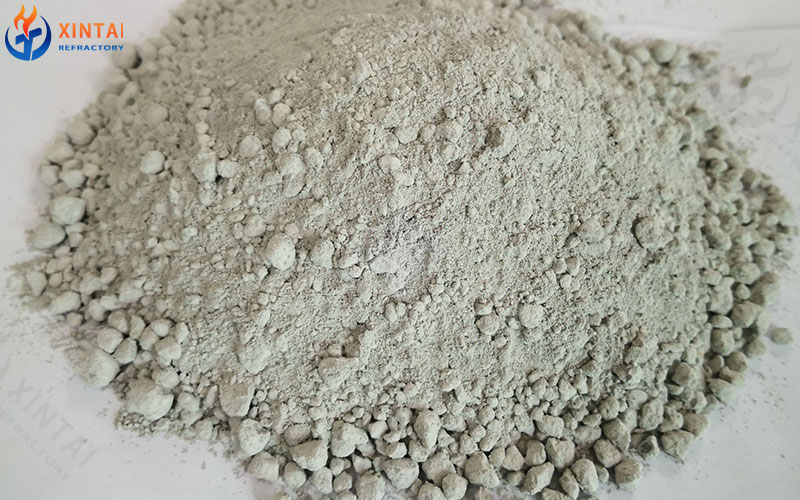
2. Wear-Resistant Plastic Castables
Wear-resistant plastic castables are highly workable, making them suitable for complex shapes or on-site casting.
Key Features:
- Excellent plasticity for large or irregular shapes.
- Strong wear resistance suitable for prolonged abrasive conditions.
- Easy to install, reducing labor and construction time.
Applications:
- Lining installation for wear-resistant anchor bricks.
- Furnace lining repair in blast furnaces and converters.
- Protective linings in conveyors, chutes, and high-abrasion areas.
These castables are often based on high-quality high-alumina materials, with modified binders to enhance workability while retaining durability.
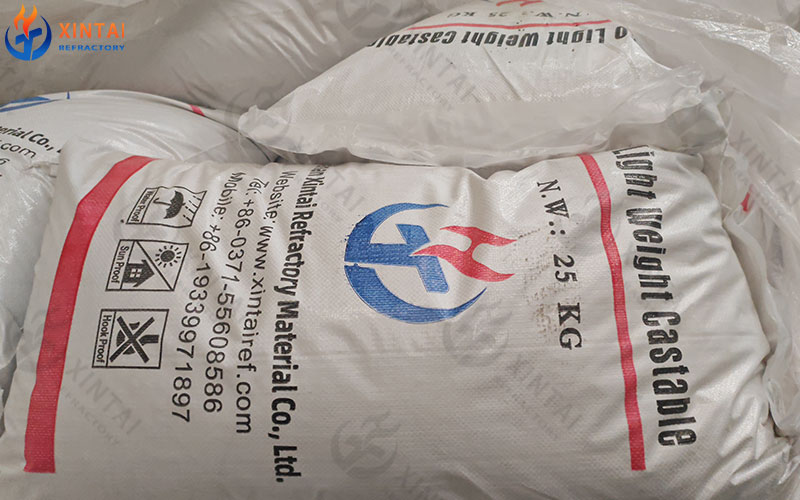
3. Lightweight Insulating Castables
Lightweight insulating castables focus on thermal insulation and reduced weight, ideal for insulation layers in high-temperature furnaces.
Types:
- Clay-Based Insulating Bricks – Cost-effective, naturally insulating, easy to construct.
- Expanded Perlite Insulating Bricks – Extremely lightweight with excellent thermal insulation, used in high-temperature furnace linings.
Applications:
- Furnace tops in steel plants.
- Insulating layers at cement kiln ends.
- High-temperature linings in ceramics and glass industries.
By reducing heat loss and furnace weight, lightweight insulating castables are a key choice for energy-efficient refractory solutions.
4. High-Strength, Alkali-Resistant Castables
High-strength, alkali-resistant castables are designed for environments with high alkali exposure, such as cement production or certain metallurgical processes.
Key Features:
- Excellent resistance to chemical corrosion from alkali compounds.
- High mechanical strength and impact resistance.
- Suitable for high-temperature, high-abrasion areas.
Applications:
- High-alkali zones in cement rotary kilns.
- Aluminum smelting furnaces and other alkali-rich environments.
- Used with direct-bonded magnesia-chrome bricks for enhanced lining performance.
These castables typically include magnesia-chrome or high-alumina composite materials to ensure both alkali resistance and high-temperature strength.
5. Magnesia-Chrome and Magnesia-Alumina Spinel Castables
Magnesia-chrome and magnesia-alumina spinel bricks are widely used in high-temperature and high-wear areas. Their compatible castables are designed to fill brick joints and improve structural integrity.
Key Features:
- Exceptional high-temperature stability.
- High wear resistance to resist slag and material abrasion.
- Strong bonding, enhancing the overall performance of refractory linings.
Applications:
- Electric furnace and furnace bottom repair.
- Wear-resistant layers for magnesia-chrome brick linings.
- Steel continuous casting equipment lined with high-alumina and spinel bricks.
Using magnesia-chrome or magnesia-alumina spinel castables enhances lining life and reduces the risk of spalling.
6. Wear-Resistant Bricks and Self-Flowing Castables
Wear-resistant bricks provide stable performance under high-temperature abrasion, while high-strength, wear-resistant self-flowing castables fill gaps and repair worn areas to ensure a continuous refractory lining.
Common Types:
- Silicon Nitride-Bonded Silicon Carbide Wear Bricks – Ideal for high-impact, high-abrasion zones such as steel rolling mills.
- Wear Anchor Bricks – Secure refractory linings in furnace bottoms and other high-wear areas.
- Anti-Spalling High-Alumina Bricks – Minimize the risk of brick detachment.
Applications:
- Blast furnace and converter linings in steelmaking.
- Cement kiln linings and rotary kiln bases.
- Wear zones in glass melting furnaces.
Self-flowing castables can be poured directly into complex shapes, improving lining integrity and prolonging wear brick life.
7. High-Alumina Castables with Alumina Cement
Alumina cement-bonded high-alumina castables combine high-temperature strength with wear resistance, making them suitable for medium- and high-temperature industrial furnaces.
Key Features:
- Excellent high-temperature mechanical strength.
- Stable wear resistance under prolonged abrasive conditions.
- Convenient construction with moderate setting time.
Applications:
- Aluminum smelting furnaces.
- Cement rotary kilns.
- Steelmaking and other metallurgical furnaces.
The combination of alumina cement and high-alumina materials ensures structural stability under both high temperatures and mechanical stress, extending refractory service life.
Conclusion
Refractory castables are essential in industrial furnaces, with each type optimized for specific operational conditions.
Key Categories Recap:
- High-Strength, Fast-Setting, Wear-Resistant Castables – Quick repair in high-abrasion areas.
- Wear-Resistant Plastic Castables – Complex shapes, long-lasting wear protection.
- Lightweight Insulating Castables – Heat insulation and energy efficiency.
- High-Strength, Alkali-Resistant Castables – Alkali-resistant environments and high abrasion.
- Magnesia-Chrome / Magnesia-Alumina Spinel Castables – Enhance brick lining stability.
- Wear-Resistant Bricks + Self-Flowing Castables – Fill gaps, prolong refractory life.
- Alumina Cement-Bonded Castables – High-temperature strength and wear resistance.
Choosing the appropriate refractory castable can significantly improve equipment durability, operational safety, and maintenance efficiency. From steel and glass to cement and non-ferrous metal production, refractory castables are indispensable for high-temperature industrial processes.