
In the world of high-temperature industrial applications, choosing the right refractory material is crucial to ensuring the longevity and effectiveness of your equipment. Among the most commonly used types of refractory materials are refractory bricks and refractory castables. Both materials are designed to withstand extreme heat and wear, but the question remains: which one is more wear-resistant? This article explores the factors that influence the wear resistance of both materials and provides insights into when to choose one over the other.
The Core Differences in Wear Resistance Between Refractory Bricks and Castables
Wear resistance is a critical property in industrial environments where refractories are subjected to extreme temperatures and mechanical wear. In general, the wear resistance of refractory materials can vary based on their composition, temperature conditions, and the specific type of wear they are exposed to.
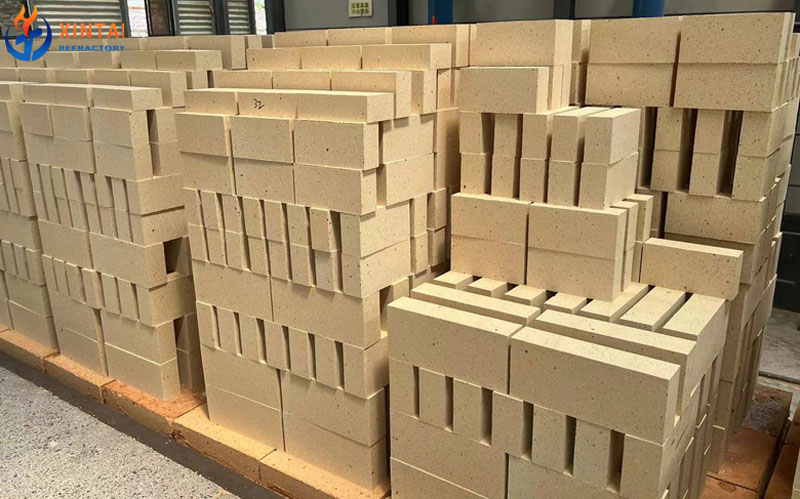
- Refractory Bricks: Refractory bricks are solid blocks made from a variety of raw materials, such as alumina, silica, or fireclay, that are fired at high temperatures. These bricks are used in industrial furnaces, kilns, and other high-temperature applications where they provide structural support and insulation.
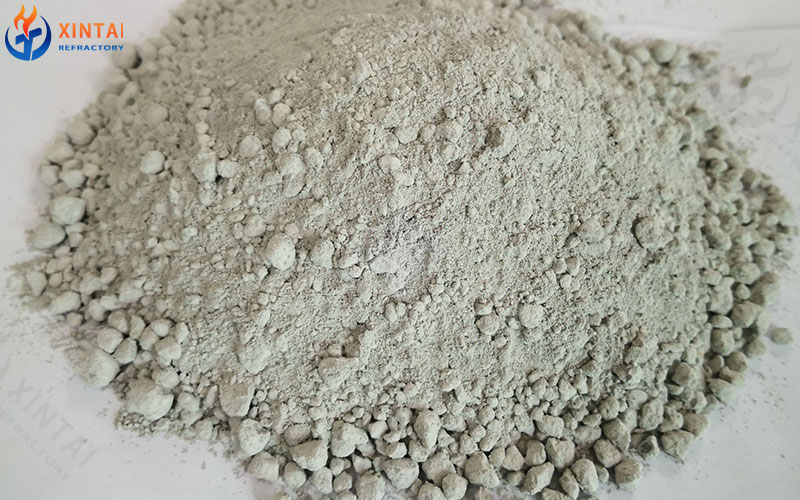
- Refractory Castables: Refractory castables, on the other hand, are a form of unshaped or monolithic refractory material that can be cast into molds or directly applied to surfaces. They are typically made from a mix of refractory aggregates (such as alumina or silica) and a binder (such as cement or calcium aluminate). Castables are often used in areas where shaping and application can be done directly in place, such as in furnace linings or repair work.
Material Composition and Density: How They Affect Wear Resistance
The composition and density of a material play a significant role in its wear resistance. Refractory castables often have a higher density compared to refractory bricks due to their fine powder content and optimized binder formulations. This higher density can result in a more compact structure, reducing the rate at which wear occurs.
- Refractory Bricks: When comparing wear resistance within the same material category (e.g., high-alumina bricks), the wear rate tends to increase if the brick is porous or has a lower density. Porous materials are more susceptible to erosion and wear because the gaps in the material allow external elements like heat, gases, or abrasives to penetrate and degrade the surface more rapidly.
- Refractory Castables: Castables typically have better wear resistance than bricks of the same material, especially when optimized with additives like silicon carbide or alumina aggregates. These additives help increase the hardness and durability of the material, making it less susceptible to damage under abrasive conditions. The higher density of castables also means fewer voids, which helps reduce the penetration of abrasive particles.
Temperature Effects on Wear Resistance
Both refractory bricks and castables are designed to operate in high-temperature environments, but temperature plays a key role in determining their wear resistance. The wear resistance of both materials can fluctuate depending on the temperature at which they are used.
- Refractory Bricks: In the case of refractory bricks, temperature has a dual effect. For instance, high-alumina bricks generally perform well at temperatures up to around 1,000°C. However, as the temperature increases, especially beyond 1,200°C, the wear resistance of these bricks may degrade due to softening or even melting of the material at the grain boundaries. Additionally, thermal expansion can cause cracks, making the material more prone to wear.
- Refractory Castables: Refractory castables typically perform better under higher temperatures compared to bricks. Castables can be engineered with additives that maintain or even enhance their wear resistance at higher temperatures. For example, the addition of silicon carbide or corundum particles can help the castable retain its hardness even when exposed to extremely high temperatures. Castables are often used in applications that experience significant thermal cycling, such as in boilers or rotary kilns, where wear resistance at elevated temperatures is essential.
The Impact of Aggressive Wear Conditions
In industrial settings where mechanical wear is combined with high temperatures (such as in fluidized bed boilers or gasifiers), the type of wear resistance required from refractory materials becomes even more critical.
- Refractory Bricks: When exposed to aggressive wear conditions such as fast-moving abrasive particles or hot gases, the wear resistance of refractory bricks can be compromised. The surface of the bricks may erode faster, especially if the material is not optimized for these conditions. Moreover, the impact of abrasive particles on the brick’s surface can cause cracks and chips, which further degrade the material’s performance over time.
- Refractory Castables: Castables are generally superior in these conditions due to their ability to be customized with wear-resistant aggregates. The absence of joints or seams in castables, compared to bricks, also makes them more resistant to physical wear from mechanical impacts or abrasion. Furthermore, the ability to adjust the castable’s composition and enhance its toughness with materials like steel fibers or carbon additives makes it more resilient to harsh wear conditions.
Durability and Longevity in High-Wear Applications
For applications such as the lining of kilns, reactors, or furnaces, durability and longevity are key factors in determining the appropriate material. Both refractory bricks and castables have their strengths, but their performance over time can differ.
- Refractory Bricks: While refractory bricks are known for their high compressive strength and resistance to thermal shock, they are more susceptible to wear when used in applications with continuous mechanical stress or abrasive interactions. Over time, the repeated exposure to such stress can cause surface degradation, leading to the need for more frequent repairs or replacements.
- Refractory Castables: Castables, due to their higher density and customizable composition, typically last longer in wear-intensive applications. Their ability to be applied seamlessly without joints or seams makes them more durable in environments subject to vibration, shock, or abrasion. In addition, castables are often used for repair and maintenance, where they can be quickly applied to worn areas, extending the life of the refractory lining.
Key Considerations for Choosing Between Refractory Bricks and Castables
Ultimately, the choice between refractory bricks and refractory castables depends on the specific application and the conditions to which the material will be exposed.
- Refractory Bricks: Best suited for applications where structural integrity is critical and wear conditions are relatively moderate. They are ideal for high-temperature areas with less mechanical impact and abrasion, such as furnace walls and kiln linings.
- Refractory Castables: More suited for applications with high mechanical wear or where quick, seamless application is needed. They are often used in areas that experience high abrasion, such as in fluidized bed boilers or industrial reactors, where both thermal and mechanical stresses are combined.
Conclusion
In summary, refractory castables are generally more wear-resistant than refractory bricks, especially in high-temperature and abrasive environments. Castables provide superior performance in situations involving mechanical wear, high-temperature abrasion, and areas that require a seamless, monolithic structure. However, the ultimate choice between refractory bricks and castables should be made based on the specific conditions of the application, including temperature, mechanical wear, and repair needs.
Choosing the right material ensures that the refractory lining will perform optimally and provide the longest service life possible, reducing maintenance costs and improving operational efficiency.