
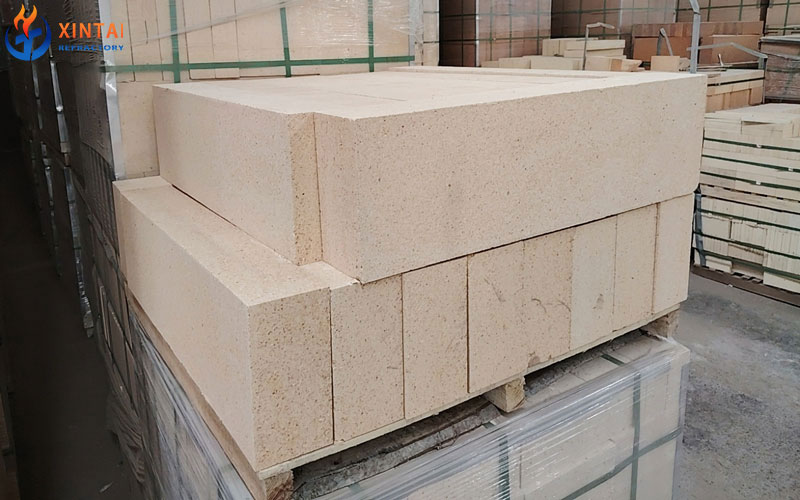
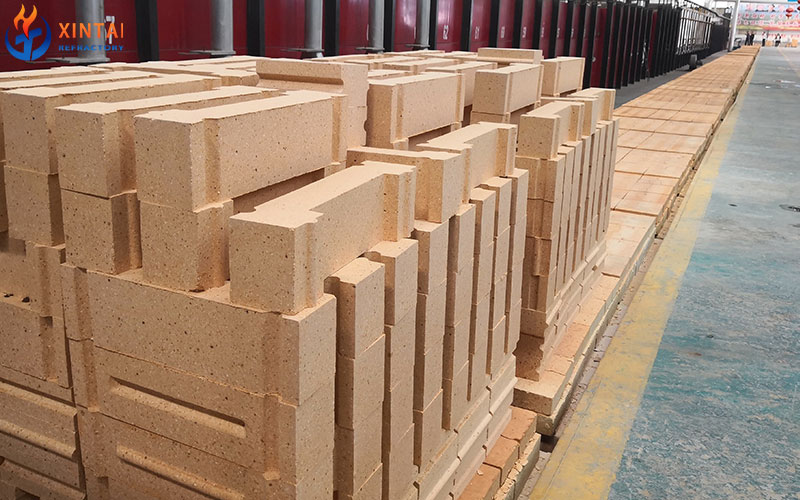
High alumina brick is a cornerstone material in modern high-temperature industrial processes. Composed primarily of alumina (Al₂O₃) with content typically above 48%, these bricks are engineered to withstand extreme heat, chemical corrosion, and mechanical wear. Their versatility and durability make them indispensable in metallurgical, cement, glass, petrochemical, and other high-temperature applications.
Properties of High Alumina Bricks
High alumina bricks are valued for their exceptional refractory performance, chemical stability, and mechanical strength. They are manufactured using high-alumina bauxite clinker as the primary raw material, combined with binding agents, and fired at high temperatures. Key characteristics include:
- High Refractoriness: Depending on alumina content, they can withstand temperatures up to 1750–1790°C.
- Corrosion Resistance: High alumina bricks resist erosion by molten slag, glass, and chemical atmospheres.
- Mechanical Strength: They maintain structural integrity under load at elevated temperatures.
- Thermal Shock Resistance: Certain formulations, such as mullite-based bricks, are stable under rapid temperature changes.
Classification by Alumina Content
High alumina bricks are typically categorized by their Al₂O₃ content:
- First-grade (≥75% Al₂O₃): Offers superior refractory performance and high slag resistance.
- Second-grade (60–75% Al₂O₃): Slightly lower performance but still suitable for many high-temperature applications.
- Third-grade (48–60% Al₂O₃): Used in areas with lower temperature or erosion demands.
- Special-grade (≥80% Al₂O₃): Ideal for the most demanding high-temperature or corrosive environments.
Classification by Manufacturing Process
- Ordinary high alumina brick: Standard sintering process, general-purpose use.
- Low-porosity brick: Enhanced density and resistance to penetration in high-pressure, high-temperature conditions.
- High-load softening brick: Higher softening point for areas under mechanical stress.
- Phosphate-bonded brick: Excellent wear resistance for abrasive environments.
- Mullite-based brick: Offers excellent thermal shock resistance for fluctuating temperature zones.
Classification by Function
- Anti-spalling bricks: Engineered to resist thermal shock peeling.
- Alkali-resistant bricks: Suitable for alkaline atmospheres.
- Acid-resistant bricks: Resist chemical attack in acidic slag environments.
- Low-creep bricks: Designed for long-term load-bearing at elevated temperatures.
Applications of High Alumina Bricks
High alumina bricks are utilized across a wide range of industries where high temperatures and aggressive chemical environments are common.
1. Metallurgical Industry
Blast Furnaces
High alumina bricks line the body, belly, and bosh of blast furnaces. Their high refractoriness and resistance to molten slag prevent erosion, extending furnace life.
Hot Blast Stoves
Used in hot blast stoves, these bricks withstand high-temperature air flow, maintaining efficiency and structural integrity.
Steel Ladles
As linings for steel ladles, high alumina bricks endure both molten steel and slag, ensuring minimal wear and preventing contamination.
Electric Arc Furnaces
In electric arc furnaces, these bricks are employed in the furnace roof and walls, resisting direct arc impact and extreme temperatures.
2. Cement Industry
Rotary Kilns
High alumina bricks protect the preheating, transition, and firing zones of rotary kilns. They offer thermal shock resistance and chemical stability against alkaline compounds in clinker.
Decomposition Furnaces
The linings of decomposition furnaces use high alumina bricks to resist chemical attack from volatile substances in raw materials.
3. Glass Industry
Glass Melting Furnaces
High alumina bricks withstand the high temperatures and erosive effects of molten glass. They are installed in furnace bottoms, sidewalls, and regenerative chambers, ensuring long-term stability.
4. Petrochemical Industry
Cracking Furnaces
The bricks provide thermal protection and chemical resistance in hydrocarbon cracking processes.
Heating Furnaces
High alumina bricks serve as linings for heating furnace walls and roofs, enduring sustained high temperatures and gas flow.
5. Other High-Temperature Applications
- Ceramic Kilns: Used for kiln linings to resist high heat and thermal cycling.
- Incinerators: Protect against chemical corrosion and high-temperature gas flow.
- Industrial Boilers: Provide insulation and refractory support for combustion chambers and flue passages.
- Pouring Systems and Nozzles: Specialized high alumina shapes withstand abrasive and corrosive materials.
Advantages of Using High Alumina Bricks
- Extended Service Life: High refractoriness and chemical resistance reduce frequent replacements.
- Cost Efficiency: Durable bricks minimize downtime and maintenance costs in industrial furnaces.
- High Thermal Conductivity: Effective heat management in industrial processes.
- Versatility: Suitable for multiple high-temperature applications across different industries.
Selection Guidelines
When choosing high alumina bricks, several factors must be considered:
- Operating Temperature: Higher alumina content is necessary for extreme heat zones.
- Chemical Environment: Acidic or alkaline conditions dictate the choice of acid- or alkali-resistant bricks.
- Thermal Cycling: Areas with rapid temperature fluctuations benefit from mullite or anti-spalling bricks.
- Mechanical Load: High-load areas require bricks with high softening points and compressive strength.
Conclusion
Xintai High alumina bricks are an essential material in high-temperature industrial applications, offering unmatched resistance to heat, chemical erosion, and mechanical stress. From metallurgical furnaces and cement kilns to glass melting tanks and petrochemical reactors, their versatility ensures operational efficiency and long-term durability. With careful selection based on temperature, chemical exposure, and mechanical demands, high alumina bricks continue to be a cornerstone of modern industrial furnace design.
In summary, the combination of superior refractory performance, chemical stability, and mechanical strength makes high alumina bricks a reliable choice for industries requiring robust, high-temperature solutions.