
Choosing the right refractory cement for foundry applications is essential for maintaining furnace performance, protecting equipment from extreme temperatures, and extending the service life of refractory linings. Foundries operate under demanding conditions, including high temperatures, molten metal contact, thermal cycling, and mechanical stress. The refractory materials used in these environments must provide reliable heat resistance, suitable bonding strength, and compatibility with the specific casting process.
However, not all refractory cements are suitable for every foundry application. Different furnace structures, metal types, operating temperatures, and installation requirements can influence material selection. Understanding these factors helps foundry operators, refractory contractors, and industrial buyers select the right product for their operational needs.
This article explains the key factors to consider when selecting refractory cement for foundry applications, including temperature resistance, chemical compatibility, mechanical properties, installation methods, and supplier evaluation.
1. Understand the Application Requirements
The first step in selecting refractory cement for foundry operations is identifying where and how the material will be used. Different areas of a foundry experience different thermal and mechanical conditions, so a product suitable for one application may not perform effectively in another.
Common applications include furnace linings, ladles, pouring channels, melting equipment, holding furnaces, and repairs to existing refractory structures. Refractory cement may also be used to bond refractory bricks, seal joints, and secure certain refractory components, depending on the product formulation.
Before purchasing, consider the following questions:
- What type of furnace or foundry equipment will use the material?
- What is the normal operating temperature and the maximum temperature?
- Will the cement contact molten metal, slag, or corrosive furnace gases?
- Is the product intended for new construction, brick bonding, or maintenance?
- Will the installation require rapid repairs or conventional curing and drying?
Providing these details helps manufacturers recommend a suitable refractory cement formulation rather than relying on temperature ratings alone.
2. Evaluate the Temperature Resistance
Temperature resistance is one of the most important considerations when choosing refractory cement for foundry applications. Foundry equipment may operate at elevated temperatures for extended periods, and the refractory material must maintain its performance under the actual working conditions.
Different refractory cement formulations offer different levels of refractoriness and high-temperature stability. Calcium aluminate cement, for example, is widely used as a hydraulic binder in refractory castables. Depending on the complete formulation, it can provide the bonding performance required for various high-temperature industrial applications.
When evaluating temperature resistance, distinguish between the maximum rated temperature of the refractory material and its recommended continuous service temperature. These values are not necessarily identical. Actual performance depends on the complete refractory composition, installation quality, curing conditions, and operating environment.
Foundry buyers should also consider temperature fluctuations. Equipment that undergoes frequent heating and cooling may require materials with appropriate thermal shock resistance. Selecting cement solely because its rated temperature exceeds the furnace temperature may not guarantee long-term performance.
Ask the supplier for the relevant technical data sheet, including recommended service conditions, refractoriness, and any limitations on use.
3. Select the Appropriate Chemical Composition
The chemical composition of refractory cement directly influences its high-temperature properties, bonding behavior, and compatibility with other refractory materials.
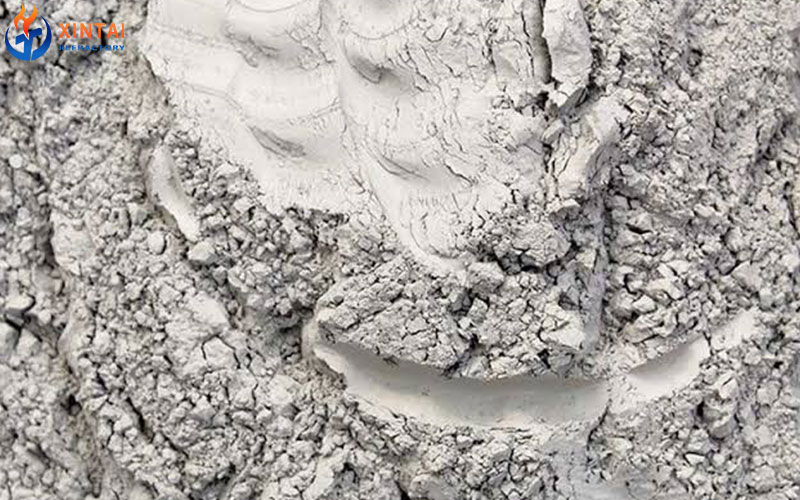
Calcium aluminate cement is commonly used in refractory castables because it can develop hydraulic strength and contribute to the formation of a heat-resistant refractory structure when combined with suitable aggregates and additives. Its performance depends on factors such as alumina content, cement grade, particle characteristics, and the design of the final refractory mixture.
For foundry applications, the required alumina content should be determined according to the working environment and the complete refractory system. Higher alumina content can be beneficial in certain high-temperature applications, but it does not automatically make every cement formulation the best choice.
The type of molten metal and the presence of slag or other chemical agents must also be considered. Different metals and slags create different chemical conditions, which can affect refractory corrosion and service life.
When choosing refractory cement for foundry use, confirm that the binder is compatible with the refractory aggregates, bricks, or castable system. The supplier should be able to explain the product’s intended applications and provide composition information appropriate to the purchasing requirements.
4. Check Bonding Strength and Mechanical Performance
Refractory cement must provide sufficient bonding strength for the intended installation. However, the required mechanical properties vary according to whether the material is used for brick joints, refractory repairs, or as a binder in castable linings.
Important parameters include cold crushing strength, flexural strength, and strength development after curing. These measurements help buyers understand how the material behaves during handling, installation, and subsequent service.
It is important to evaluate strength at the appropriate stage. A cement that develops good strength at room temperature may behave differently after exposure to high temperatures. Therefore, hot strength and other high-temperature properties may also be relevant for demanding foundry applications.
Mechanical compatibility is equally important. The cement should work appropriately with the surrounding refractory materials and the stresses created during furnace operation. Excessive shrinkage, unsuitable expansion behavior, or poor installation practices can contribute to cracking and joint failure.
Ask manufacturers for test data relevant to the intended application instead of comparing products based on a single strength value.
5. Consider Setting Time, Curing, and Installation
Installation requirements can significantly affect the performance of refractory cement for foundry projects. A suitable product should match the available installation methods, labor conditions, and maintenance schedule.
Some applications require cement that can be mixed and applied using conventional methods, while others may need specialized formulations for particular refractory systems. Setting time affects how long workers can handle the mixture, position refractory components, and complete the installation.
Water addition is another critical factor for hydraulic refractory materials. Excessive water can negatively affect the properties of the hardened material, while insufficient water may prevent proper mixing and placement. Buyers should follow the manufacturer’s recommended mixing procedure and avoid making uncontrolled adjustments on site.
Proper curing and drying are equally important. Moisture trapped inside a newly installed refractory lining can generate steam during heating. If heating proceeds too quickly, internal pressure may contribute to cracking or explosive spalling.
For this reason, follow the recommended curing period and controlled dry-out schedule. The appropriate procedure depends on the product formulation, lining thickness, installation method, and operating conditions.
6. Assess Thermal Shock Resistance and Durability
Foundry equipment often experiences repeated heating and cooling cycles. These changes create thermal stresses that may cause cracks, joint deterioration, or damage to refractory linings.
When selecting refractory cement for foundry applications, evaluate its suitability for the expected temperature fluctuations. Thermal shock resistance is influenced by the complete refractory system, including aggregate selection, porosity, thermal expansion characteristics, and the bond structure.
A cement used in a relatively stable holding furnace may have different performance requirements from one used in equipment exposed to frequent temperature changes or intermittent operation.
Other durability factors include abrasion resistance, slag penetration, chemical corrosion, and mechanical impact. For example, areas exposed to flowing molten metal may require stronger protection against erosion than less exposed sections of the furnace.
Discuss these operating conditions with the manufacturer before choosing a product. A properly matched refractory system can help reduce unplanned maintenance, extend lining service life, and improve equipment reliability.
7. Compare Product Specifications and Supplier Capabilities
Before placing an order, compare the technical specifications of available refractory cement products. Price is important, but selecting the lowest-cost material without verifying its suitability may increase total operating costs through premature repairs or production interruptions.
Request a technical data sheet that identifies the product grade, chemical composition, alumina content where applicable, refractoriness, bulk density, setting characteristics, and relevant strength properties. Depending on the application, additional information about thermal behavior, recommended mixing procedures, and installation limitations may also be necessary.
It is also worth evaluating the supplier’s manufacturing and quality-control capabilities. Consistent raw materials, controlled production processes, and reliable inspection procedures can help reduce variations between batches.
For industrial buyers, other practical considerations include minimum order quantity, packaging, delivery lead time, export documentation, and the availability of technical support. Custom specifications may be necessary for specialized foundry equipment or demanding operating conditions.
A qualified manufacturer should be able to review the intended application and recommend an appropriate grade based on actual operating requirements.
Conclusion
Selecting the right refractory cement for foundry applications requires a careful evaluation of operating temperature, chemical composition, bonding strength, thermal shock resistance, installation procedures, and long-term durability. The most suitable product is not necessarily the one with the highest alumina content or the highest rated temperature, but the one that matches the actual working conditions and the complete refractory system.
Foundry operators and industrial purchasers should communicate their application details clearly, review technical data sheets, and consult experienced manufacturers before making a final decision. Proper product selection, correct installation, and controlled heating can help improve refractory performance, reduce maintenance frequency, and support stable foundry operations.
When sourcing refractory cement for foundry use, work with a manufacturer that can provide consistent product quality, clear technical specifications, and application-based recommendations. This approach helps ensure that the selected refractory material meets the practical demands of your foundry equipment and production process.