Refractory castables are important monolithic refractory materials widely used in modern iron and steel production. In secondary steelmaking, where molten steel is treated after primary melting and before casting, refractory performance has a direct influence on process stability, steel cleanliness, ladle service life, and production efficiency. A properly selected refractory castable for secondary steelmaking must withstand high temperatures, molten steel, slag erosion, thermal shock, mechanical wear, and repeated heating and cooling cycles.
Secondary steelmaking has become an essential part of modern steel production because it allows steelmakers to precisely control temperature and chemical composition while removing dissolved gases and non-metallic inclusions. Processes such as vacuum degassing, vacuum oxygen decarburization, and ladle furnace treatment place demanding requirements on refractory linings. Therefore, refractory castables used in these areas need to combine excellent corrosion resistance, thermal stability, structural strength, and long service life.
More About Secondary Steelmaking
Secondary steelmaking is an intermediate treatment stage between primary steel melting and final casting. It is used to improve molten steel quality, adjust chemical composition, control temperature, remove dissolved gases, and promote the removal of inclusions.
Common secondary steelmaking processes include vacuum degassing, vacuum oxygen decarburization, and ladle furnace treatment. Each process creates different thermal and chemical conditions, but all require refractory linings capable of maintaining structural integrity under severe operating environments.
During ladle furnace treatment, for example, molten steel may be heated by electric arcs while argon stirring promotes homogenization and inclusion flotation. The refractory lining is therefore exposed to high temperatures, thermal gradients, molten steel, and aggressive refining slag. The lining must remain stable throughout the refining cycle without excessive erosion or cracking.
Why Refractory Castables Are Important
Traditional brick linings are widely used in steel ladles and metallurgical vessels. However, joints between individual bricks can become preferential paths for slag and molten steel penetration. Once joint erosion begins, localized damage can accelerate and eventually affect the stability of the entire lining.
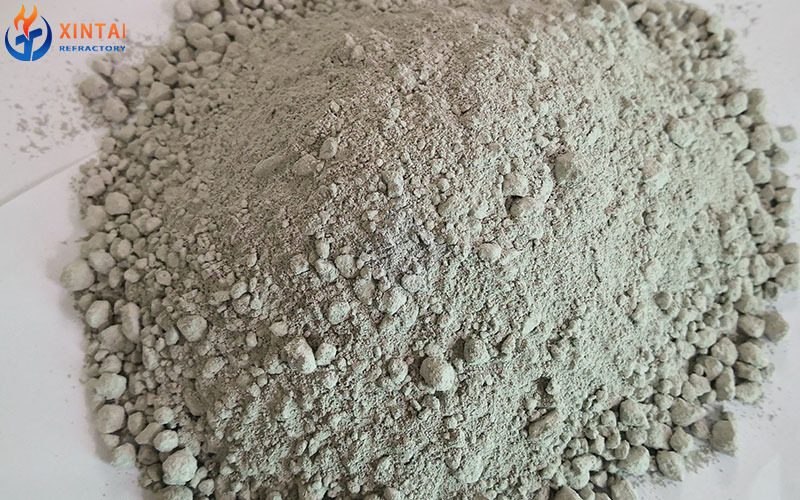
Monolithic refractory castables help reduce this problem by forming a continuous lining with fewer joints. A properly installed castable lining can provide good resistance to molten steel and slag penetration while also improving thermal shock resistance and overall lining integrity.
For secondary steelmaking applications, castables are often designed around alumina-based or alumina-magnesia-based compositions. Depending on operating requirements, advanced formulations may incorporate high-purity alumina, spinel-forming components, magnesia, or other carefully selected refractory aggregates and binders.
Key Properties of Refractory Castables for Secondary Steelmaking
A high-performance refractory castable needs to meet several important requirements.
1. Excellent Corrosion Resistance
Secondary refining slags can be highly aggressive toward refractory materials. Slag penetration and chemical reaction can cause rapid lining degradation. Castables with suitable chemical composition and low open porosity can reduce penetration and improve resistance to slag corrosion.
2. High Thermal Stability
Steelmaking involves repeated temperature changes. The refractory lining may experience rapid heating, cooling, and localized temperature fluctuations during different refining stages. Good thermal stability helps minimize cracking, spalling, and structural damage.
3. High Mechanical Strength
The lining must withstand mechanical stresses during installation, operation, and steel handling. High cold crushing strength and sufficient hot strength help the refractory maintain its shape and resist deformation under demanding conditions.
4. Resistance to Molten Steel Penetration
Molten steel can penetrate porous refractory structures and cause internal damage. Dense castables with controlled pore structures can reduce molten steel infiltration and help maintain the integrity of the working lining.
5. Good Wear Resistance
Mechanical wear can occur during steel charging, tapping, slag movement, and ladle transportation. In areas subject to intense wear, a castable with high abrasion resistance can help extend maintenance intervals.
Carbon-Free Refractory Castables
The development of cleaner steelmaking has increased interest in carbon-free refractory systems. Conventional carbon-containing refractory materials can provide useful thermal and corrosion resistance, but carbon-free solutions are increasingly considered where steel cleanliness and low-carbon production requirements are important.
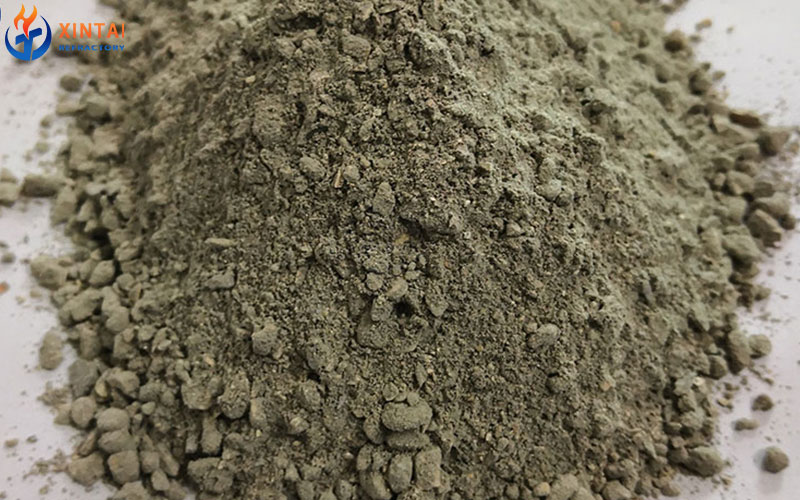
Alumina-spinel and alumina-magnesia castables are examples of carbon-free refractory systems used for suitable secondary steelmaking applications. These materials can provide a combination of high refractoriness, corrosion resistance, thermal shock resistance, and good structural stability.
Carbon-free linings can also be produced as monolithic castable linings, precast components, or shaped refractory products. The appropriate solution depends on ladle design, refining process, steel grade, slag chemistry, and required service life.
Installation Is Critical
Although refractory castables can offer significant technical advantages, their performance depends strongly on installation quality. The amount of mixing water, mixing time, casting method, vibration, curing temperature, drying conditions, and preheating schedule can all influence final performance.
Excessive water addition may increase porosity after drying and reduce mechanical strength and corrosion resistance. Insufficient water, on the other hand, can make the material difficult to place and compact. Proper mixing and controlled installation are therefore essential.
Curing and drying are equally important. Moisture remaining inside the lining can generate high vapor pressure during rapid heating, potentially causing cracking or explosive spalling. A controlled drying and preheating schedule allows moisture to escape gradually and helps develop the desired refractory structure.
Common Application Areas
Refractory castables for secondary steelmaking can be used in several parts of metallurgical equipment. Typical applications include steel ladle linings, ladle bottom areas, impact zones, sidewalls, slag lines, well blocks, and other areas exposed to molten steel or refining slag.
Different areas experience different operating conditions. The slag line, for example, may require particularly strong corrosion resistance, while the impact zone needs high resistance to thermal shock and mechanical wear. This means that a single castable grade may not always be the best choice for every section of a ladle.
Material selection should therefore consider the complete operating environment rather than relying on chemical composition alone.
Conclusion
A high-quality refractory castable for secondary steelmaking plays an important role in maintaining ladle integrity, improving refining stability, and supporting consistent steel quality. Compared with conventional brick linings, monolithic castables can reduce joint-related erosion and provide a continuous refractory structure, while alumina-based and carbon-free systems offer promising solutions for demanding clean-steel applications.
However, material selection, installation, curing, drying, and preheating must all be properly controlled to achieve reliable service performance. By matching refractory properties with actual refining conditions and application areas, steel producers can improve lining durability, reduce maintenance frequency, and increase overall production efficiency. For customized refractory solutions and technical support for secondary steelmaking applications, Xintai Refractory can provide suitable refractory materials based on specific operating requirements.