
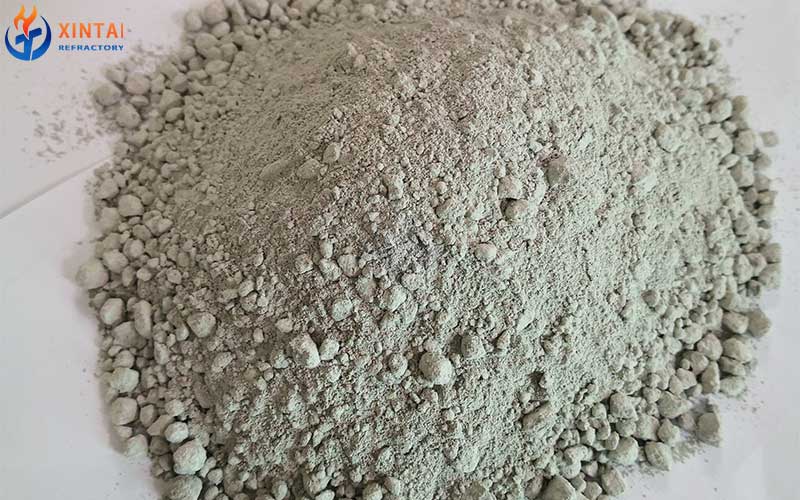
High alumina cement is a special hydraulic binder known for its high alumina content, rapid strength development, good resistance to heat, and strong performance in aggressive environments. Unlike ordinary Portland cement, high alumina cement is designed for applications where conventional cement may not provide sufficient resistance to high temperatures, chemical attack, abrasion, or demanding service conditions.
Understanding high alumina cement use is important for industries that work with refractory materials, furnaces, kilns, boilers, foundries, and other high-temperature equipment. It is also used in specialized construction applications where rapid hardening and resistance to harsh conditions are required.
What Is High Alumina Cement?
High alumina cement, also called calcium aluminate cement (CAC), is a hydraulic cement manufactured primarily from alumina-rich raw materials and calcium-bearing materials. Its main characteristic is a high proportion of alumina (Al₂O₃), which gives the cement properties that differ significantly from ordinary Portland cement.
When mixed with water, high alumina cement undergoes a hydration reaction and develops strength. It can harden relatively quickly and is capable of maintaining useful performance under elevated-temperature conditions. These characteristics make it particularly suitable for refractory castables and heat-resistant construction materials.
The exact chemical composition and performance of high alumina cement vary according to its grade. Different grades may be selected according to alumina content, setting behavior, strength requirements, temperature resistance, and the intended application.
Main High Alumina Cement Use in Refractory Applications
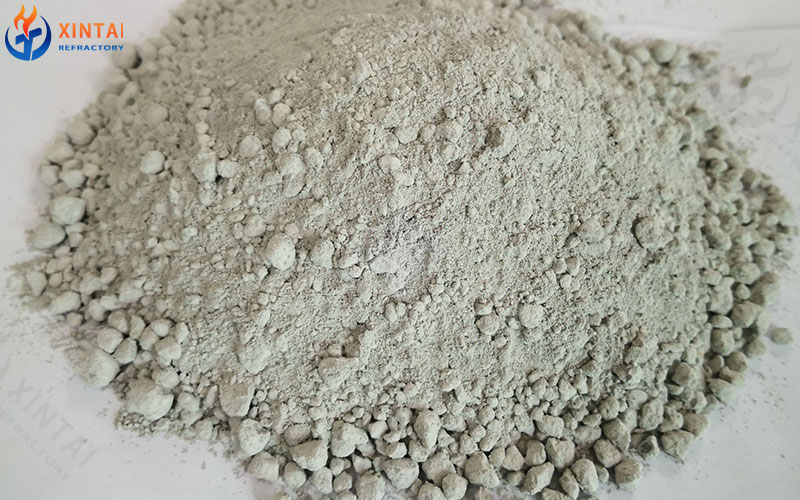
One of the most important areas of high alumina cement use is refractory construction. High alumina cement is commonly used as a binder in monolithic refractory products, particularly castables.
Refractory castables are prepared by combining refractory aggregates, fine powders, additives, and a suitable binder. High alumina cement helps bind these components together after water is added. Once installed and properly cured, the castable can form a strong refractory lining capable of resisting high temperatures.
Typical refractory applications include:
- Furnace linings
- Kiln linings
- Boiler linings
- Incinerators
- Heat-treatment equipment
- Foundry equipment
- Chimneys and flues
- Industrial heating systems
- Burner blocks
- Refractory repair materials
Because refractory castables can be installed without individually laying bricks, they provide flexibility for complex shapes and maintenance work. High alumina cement is particularly useful when the refractory lining needs good early strength and resistance to heat.
High Alumina Cement Use in Refractory Castables
Refractory castables are among the most common products made with high alumina cement. The cement acts as a hydraulic binder that holds refractory aggregates together.
Depending on the formulation, the aggregate may include high alumina materials, fireclay, bauxite, corundum, mullite, or other heat-resistant raw materials. The selection depends on the required working temperature and service environment.
High alumina cement can provide several advantages in castable formulations:
- Rapid strength development: It can develop useful early strength after mixing and curing.
- High-temperature performance: The high alumina composition makes it suitable for refractory applications.
- Good bonding: It helps create a strong structure between refractory particles.
- Resistance to thermal conditions: Properly designed castables can withstand repeated exposure to elevated temperatures.
- Versatile formulation: Different cement contents and grades can be used for different refractory requirements.
However, high alumina cement is not simply added in large quantities to improve every castable. Cement content must be carefully controlled because excessive cement can affect porosity, strength development, thermal behavior, and high-temperature performance.
High Alumina Cement Use for Furnace Construction
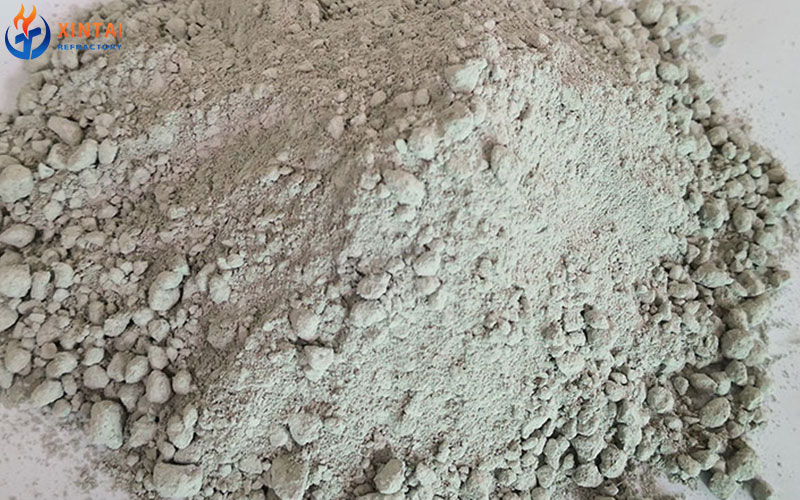
Furnaces operate under demanding thermal conditions, and their linings must withstand continuous exposure to heat. High alumina cement use in furnace construction is therefore often associated with refractory concrete, castable linings, and repair compounds.
Furnace linings may be exposed to temperatures ranging from several hundred degrees Celsius to well above 1,000°C, depending on the equipment and industrial process. In these environments, ordinary construction cement may not be appropriate for direct exposure to extreme heat.
High alumina cement-based refractory materials can be used for areas such as furnace walls, floors, roofs, burner zones, and other components where a monolithic refractory lining is required.
The final performance depends not only on the cement but also on aggregate selection, water content, installation method, curing, and drying. Therefore, high alumina cement should always be incorporated into a properly designed refractory system rather than treated as a standalone solution.
High Alumina Cement Use in Kilns and Boilers
Industrial kilns and boilers are additional areas where high alumina cement can be useful. Kilns used in ceramics, metallurgy, cement production, lime processing, and other industries may require refractory linings that resist high temperatures and mechanical wear.
High alumina cement can be used in castable refractory materials for:
- Kiln walls
- Kiln floors
- Burner areas
- Door linings
- Boiler furnace walls
- Boiler combustion chambers
- Heat-resistant repair sections
For boilers, refractory castables can help protect structural components from direct flame, hot gases, and high-temperature combustion zones. The appropriate grade should be selected according to the operating temperature and chemical environment.
High Alumina Cement Use in Foundries
Foundries require refractory materials to handle molten metal and intense thermal conditions. High alumina cement can be used as a binder in refractory castables and repair materials for foundry equipment.
Applications may include furnace linings, ladle linings, pouring areas, burner blocks, and other heat-resistant components.
The advantage is that castable materials can be shaped and installed in areas where conventional refractory bricks may be difficult to fit. This can be especially useful for repairs or complex geometries.
The refractory formulation must be compatible with the type of metal being processed. Different molten metals and slags can create different chemical conditions, so refractory selection should consider corrosion resistance as well as temperature resistance.
High Alumina Cement Use in Chimneys and Flue Systems
High alumina cement may also be used in heat-resistant construction materials for chimneys, flues, and exhaust systems. These structures can experience elevated temperatures, thermal cycling, and exposure to gases.
A high alumina cement-based material can provide a stronger alternative to ordinary cement in selected high-temperature sections. It can be incorporated into refractory mortars, castables, and other heat-resistant formulations.
For industrial chimneys and flue systems, however, the material must be selected based on actual operating temperature, gas composition, moisture conditions, and potential chemical attack.
High Alumina Cement Use for Repair and Maintenance
Another important high alumina cement use is refractory repair. Industrial furnaces and kilns can develop cracks, erosion, spalling, or localized damage during operation. Replacing an entire refractory lining can be expensive and time-consuming.
High alumina cement can be incorporated into repair compounds and castable materials that are applied to damaged areas. Depending on the product formulation, these materials can help restore the refractory lining and extend equipment service life.
Repair applications may include:
- Furnace wall repairs
- Kiln maintenance
- Boiler repairs
- Burner area repairs
- Ladle repairs
- Heat-treatment equipment maintenance
- Industrial refractory patching
Proper surface preparation is essential. Loose refractory material should be removed, and the repair area should be clean and properly prepared before applying the new material.
Conclusion
High alumina cement use covers a wide range of industrial and construction applications where rapid strength development, heat resistance, and specialized performance are required. Its most important application is as a binder in refractory castables used for furnaces, kilns, boilers, foundries, incinerators, and other high-temperature equipment.
It can also be used in refractory repair materials, heat-resistant mortars, burner blocks, chimneys, flues, and other specialized products. Compared with ordinary cement, high alumina cement provides properties that make it more suitable for demanding thermal environments.
Selecting the correct grade and using it according to the manufacturer’s recommendations are essential. The best results come from considering alumina content, operating temperature, chemical exposure, setting characteristics, strength requirements, aggregate compatibility, and installation conditions together.
For industries that require reliable refractory materials, understanding high alumina cement use can help engineers, contractors, and buyers select suitable cement-based refractory solutions and improve the durability and performance of high-temperature equipment.