
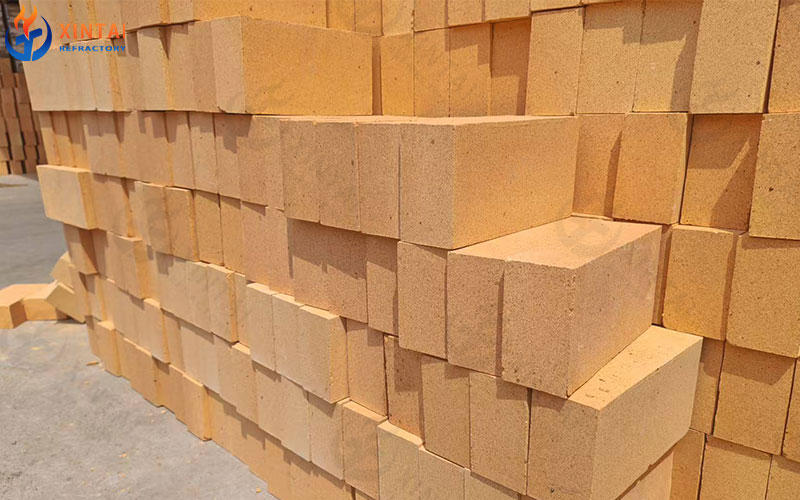
High alumina bricks are one of the most widely used refractory materials in modern industrial production. With excellent thermal stability, high mechanical strength, and strong resistance to chemical corrosion, they play a critical role in high-temperature environments where ordinary materials would fail. These bricks typically contain a high percentage of aluminum oxide (Al₂O₃), which determines their performance grade and suitability for different applications.
This article explores how high alumina bricks are used across major industries, their functional advantages, and why they remain a core material in industrial furnace construction and maintenance.
1. Steel Industry Applications
The steel industry is the largest consumer of high alumina bricks. Steel production involves extremely high temperatures, molten metal, and aggressive chemical reactions, all of which require durable refractory linings.
Blast Furnaces
In blast furnaces, high alumina bricks are used in areas exposed to intense heat and abrasion, such as:
- Furnace shaft
- Tuyere zones
- Lower stack regions
These areas require materials that can withstand thermal shock and mechanical wear caused by moving raw materials and hot gases.
Hot Blast Stoves
High alumina bricks are used in checker chambers of hot blast stoves due to their ability to store and release heat efficiently. Their thermal stability ensures long service life even under repeated heating and cooling cycles.
Ladles and Tundishes
In steel ladles and tundishes, high alumina bricks serve as lining materials that resist corrosion from molten steel and slag. They help maintain steel purity and reduce heat loss during transfer processes.
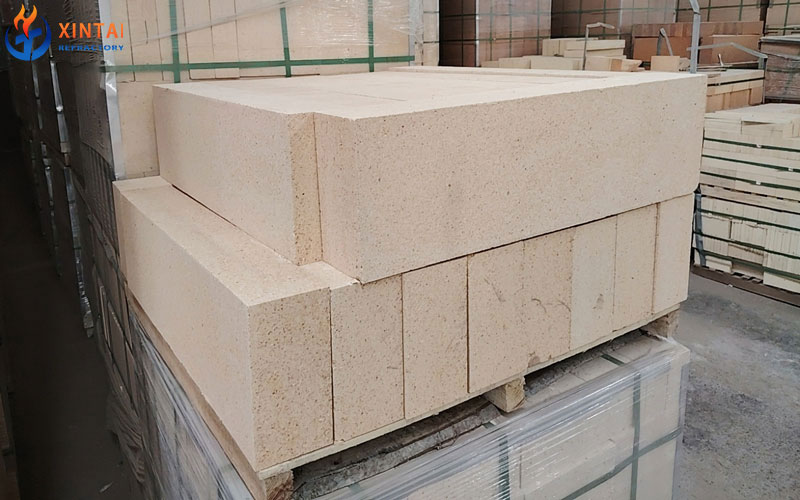
2. Cement Industry Applications
Cement production involves rotary kilns that operate at temperatures exceeding 1400°C. High alumina bricks are essential in maintaining kiln integrity and efficiency.
Rotary Kiln Lining
In rotary kilns, high alumina bricks are used in:
- Burning zone
- Transition zone
- Preheating zone
These areas face constant rotation, abrasion from raw materials, and thermal cycling. High alumina bricks provide excellent wear resistance and structural stability.
Preheater and Cyclone Systems
Cyclone separators and preheaters are exposed to high dust loads and corrosive gases. High alumina bricks help reduce erosion and chemical attack, extending equipment lifespan.
3. Glass Manufacturing Industry
The glass industry requires extremely stable refractory materials because molten glass is highly corrosive and operates at temperatures above 1500°C.
Glass Melting Furnaces
High alumina bricks are used in furnace crowns, sidewalls, and regenerator chambers. Their key advantages include:
- Resistance to alkali vapor corrosion
- Low contamination risk for molten glass
- High refractoriness under load
Regenerators
In regenerators, these bricks help store heat from exhaust gases and transfer it back into the combustion air, improving energy efficiency and reducing fuel consumption.
4. Non-Ferrous Metal Industry
Non-ferrous metal production, including aluminum, copper, and zinc, requires refractories that resist chemical attack from molten metals and slags.
Aluminum Smelting Furnaces
High alumina bricks are used in furnace linings where molten aluminum is processed. They resist penetration by molten metal and reduce impurity contamination.
Copper Smelting
In copper converters and anode furnaces, high alumina bricks provide strong resistance against acidic and basic slags, ensuring stable furnace operation.
5. Power Generation Industry
Thermal power plants rely heavily on high-temperature combustion systems, where refractory linings are essential for efficiency and safety.
Boilers and Fluidized Bed Combustors
High alumina bricks are widely used in:
- Boiler linings
- Cyclone separators
- Fluidized bed combustion chambers
They withstand high-temperature combustion gases, coal ash abrasion, and chemical corrosion.
Incinerators
In waste-to-energy plants, incinerators operate under highly corrosive conditions due to toxic gases and waste materials. High alumina bricks help maintain structural integrity and reduce maintenance frequency.
6. Ceramic Industry
Ceramic manufacturing requires precise temperature control and stable kiln environments. High alumina bricks are used in kiln construction due to their thermal resistance and durability.
Tunnel Kilns
Tunnel kilns use high alumina bricks in:
- Kiln cars
- Firing zones
- Heat treatment areas
They ensure consistent heat distribution and prevent deformation under heavy loads.
Shuttle Kilns
In shuttle kilns, high alumina bricks provide strong insulation and structural stability during batch firing processes.
7. Petrochemical Industry
The petrochemical sector involves high-temperature cracking, reforming, and distillation processes, all of which require reliable refractory systems.
Reformers and Cracking Furnaces
High alumina bricks are used in furnace linings where hydrocarbons are processed at high temperatures. They provide:
- Excellent thermal shock resistance
- Strong resistance to chemical corrosion
- Long operational life
Gasifiers
In gasification systems, high alumina bricks withstand harsh environments involving high pressure, temperature, and reactive gases.
8. Foundry Industry
Foundries rely on furnaces to melt and cast metals into desired shapes. High alumina bricks are widely used in these systems.
Induction Furnaces
These bricks line induction furnaces used for melting iron and steel. Their advantages include:
- Resistance to molten metal erosion
- Stable thermal performance
- Reduced heat loss
Cupola Furnaces
In cupola furnaces, high alumina bricks protect the furnace shell from high temperatures and slag corrosion.
9. Waste Incineration Industry
Waste incineration plants operate under extremely corrosive and unstable conditions due to mixed waste materials.
Incineration Chambers
High alumina refractory bricks are used in combustion chambers where they resist:
- Acid gas corrosion
- Thermal shock from fluctuating temperatures
- Abrasive ash particles
Their durability ensures continuous operation and reduces downtime.
10. Chemical Industry
The chemical industry involves reactors and furnaces that handle corrosive substances at high temperatures.
Reaction Furnaces
High alumina bricks line reactors where acids, alkalis, and other chemicals are processed. They provide chemical stability and prevent contamination.
Kilns and Calciners
In chemical calcination processes, these bricks maintain structural stability and resist aggressive chemical reactions.
Conclusion
High alumina bricks are indispensable materials across a wide range of heavy industries. From steelmaking and cement production to petrochemicals and waste incineration, their performance under extreme conditions ensures safe, efficient, and continuous operation of industrial systems.
As industrial processes continue to evolve toward higher efficiency and sustainability, the demand for advanced refractory materials like high alumina bricks will continue to grow. Their versatility, durability, and cost-effectiveness make them a foundational material in modern high-temperature engineering.